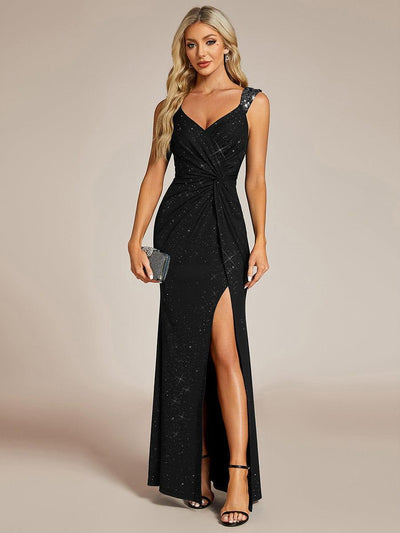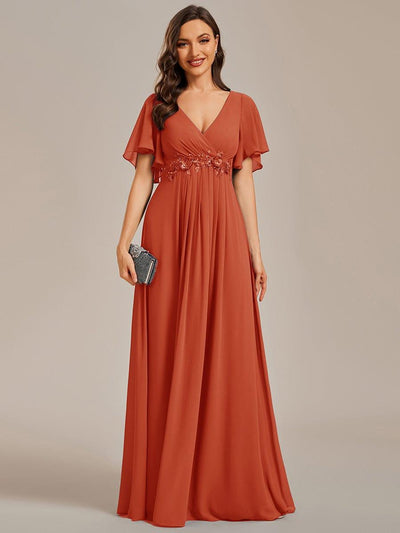
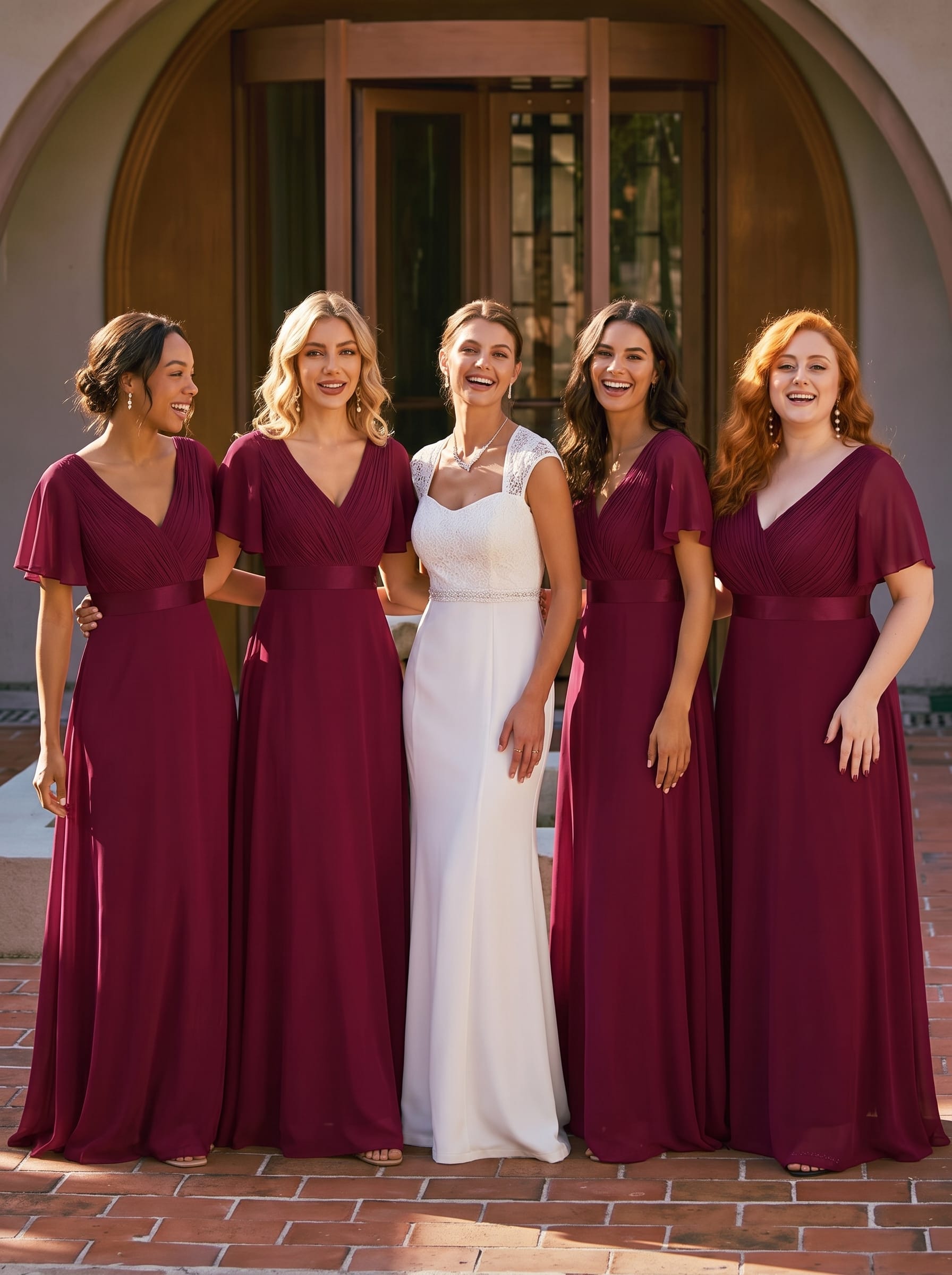
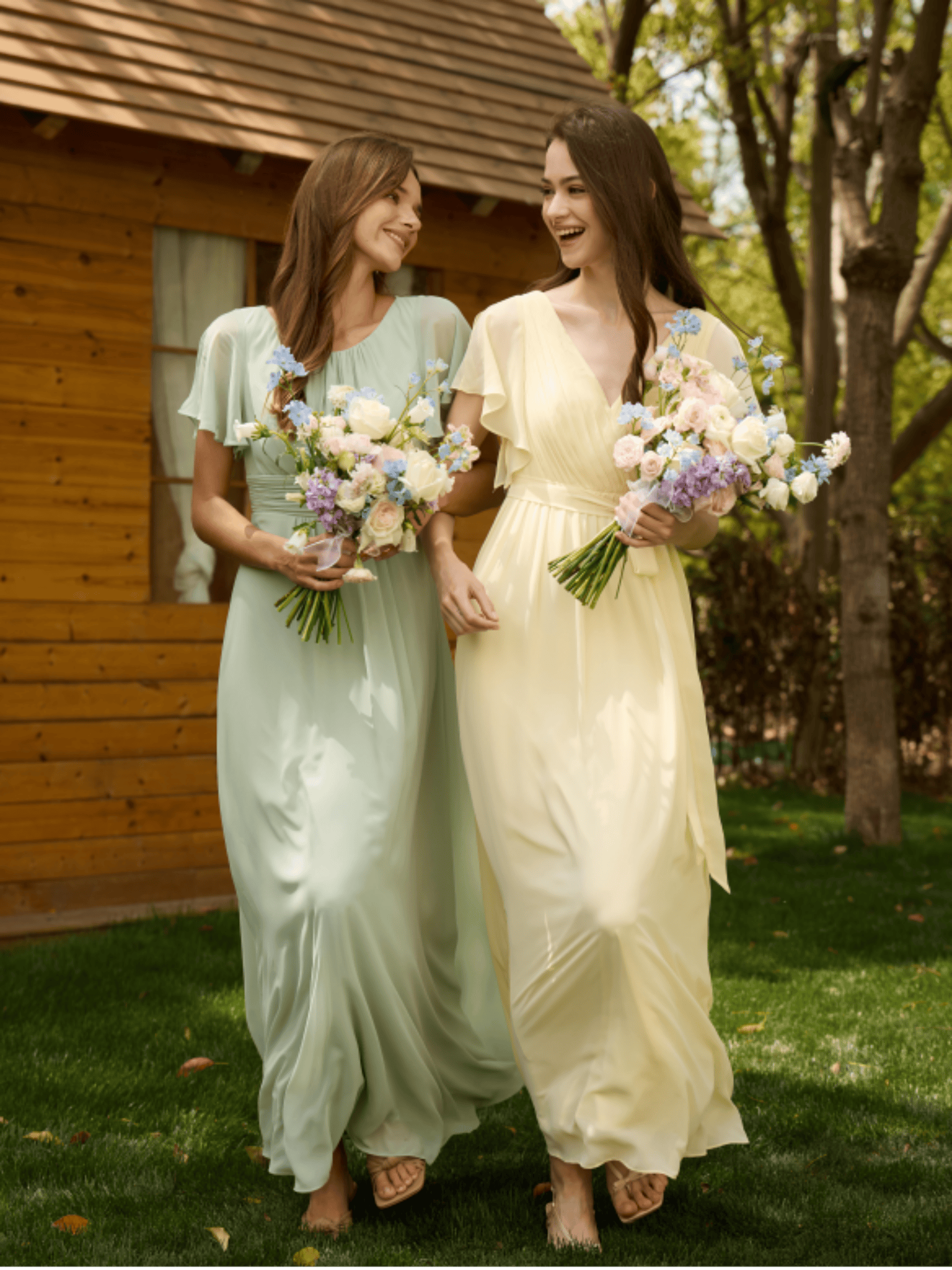




Best Simple Evening Wedding Dresses for Modern Brides
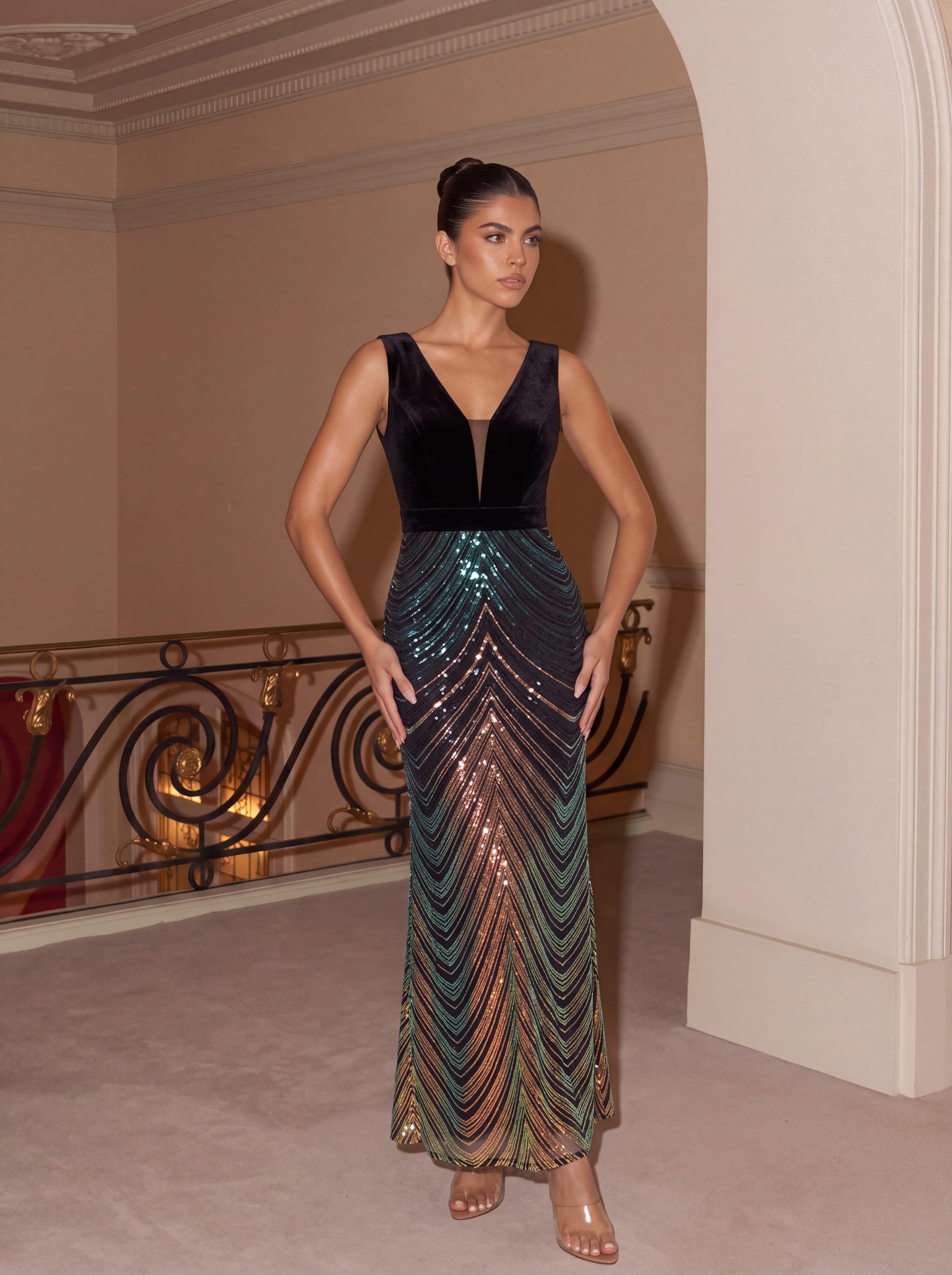
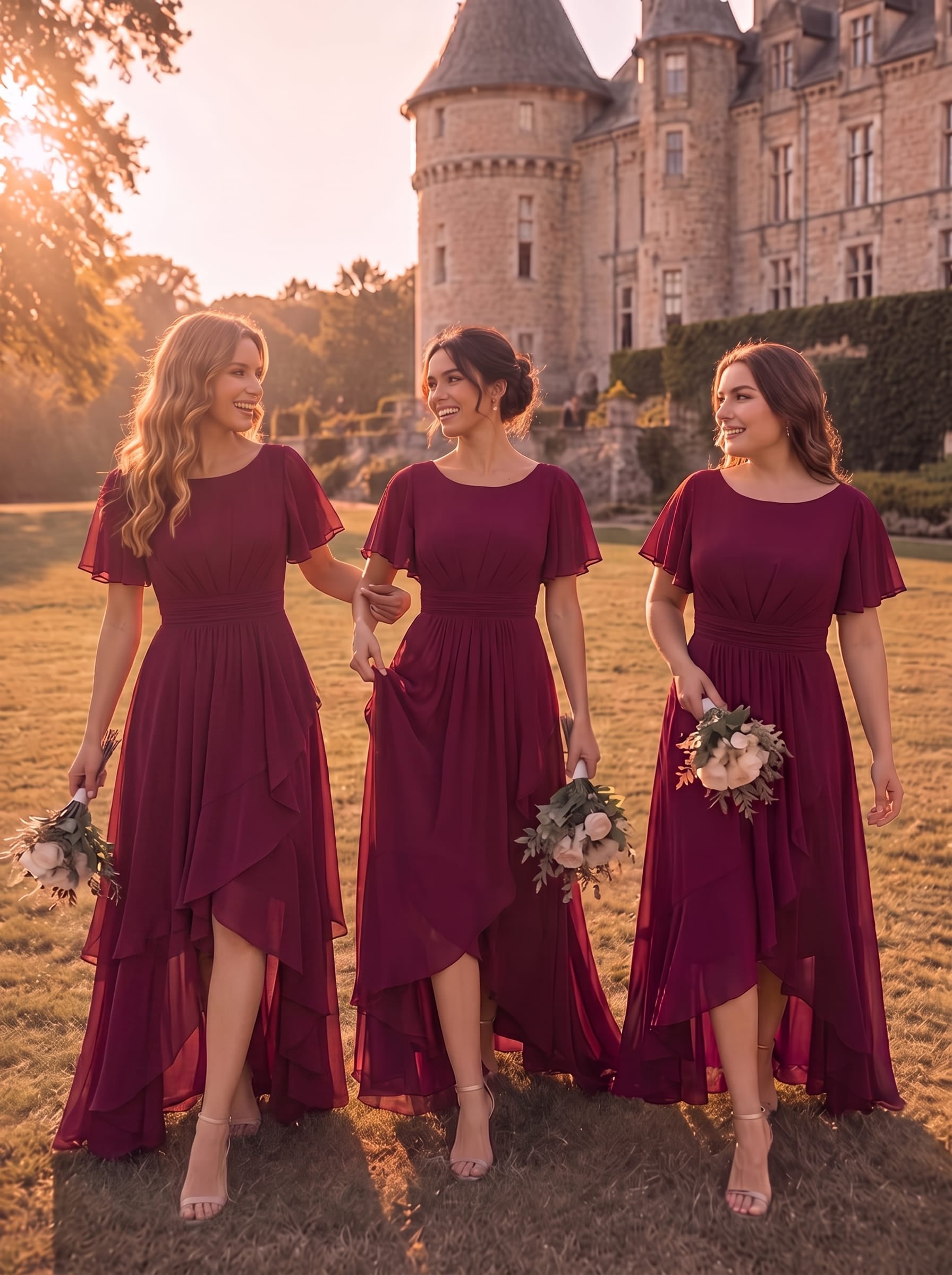
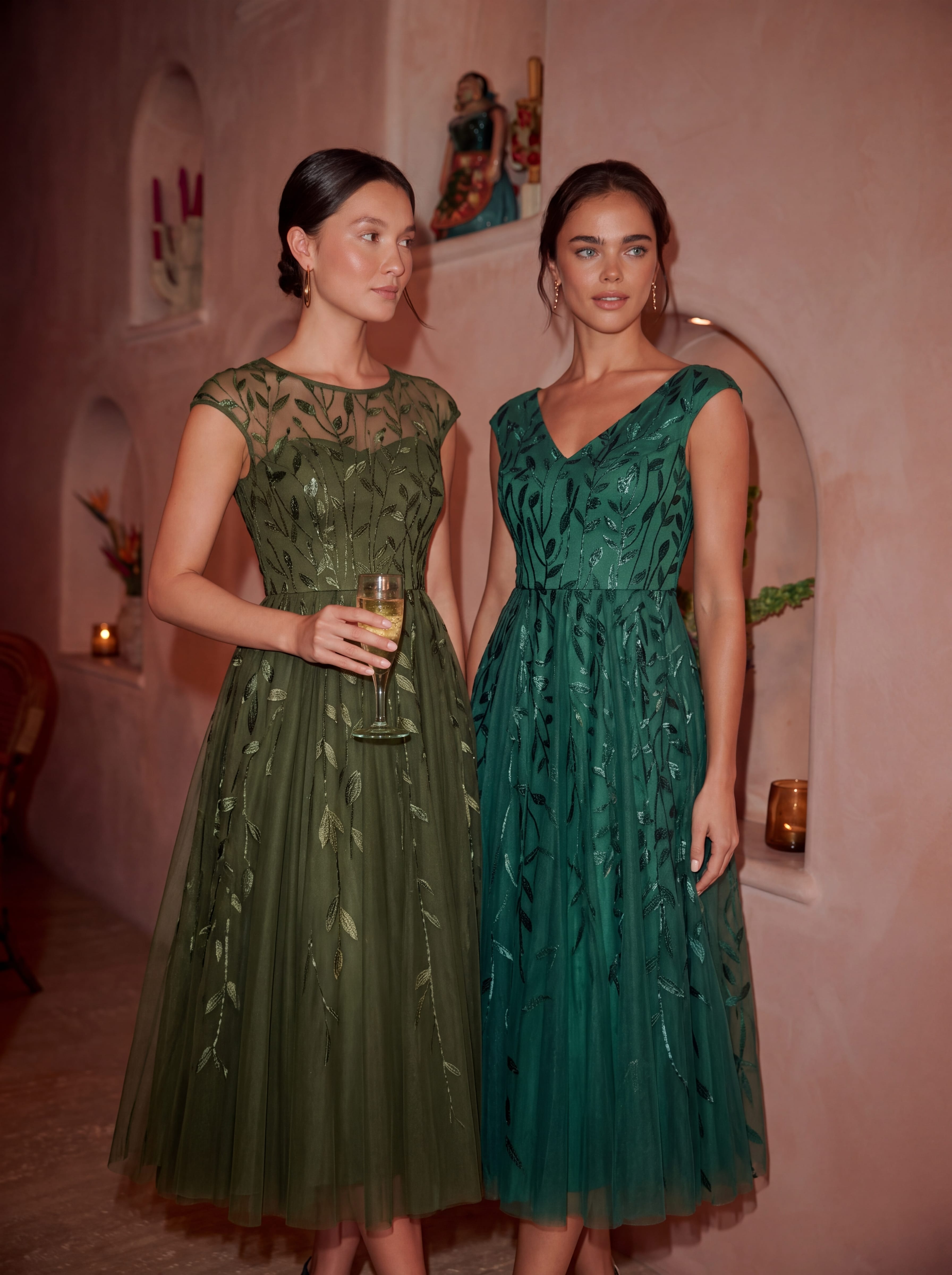
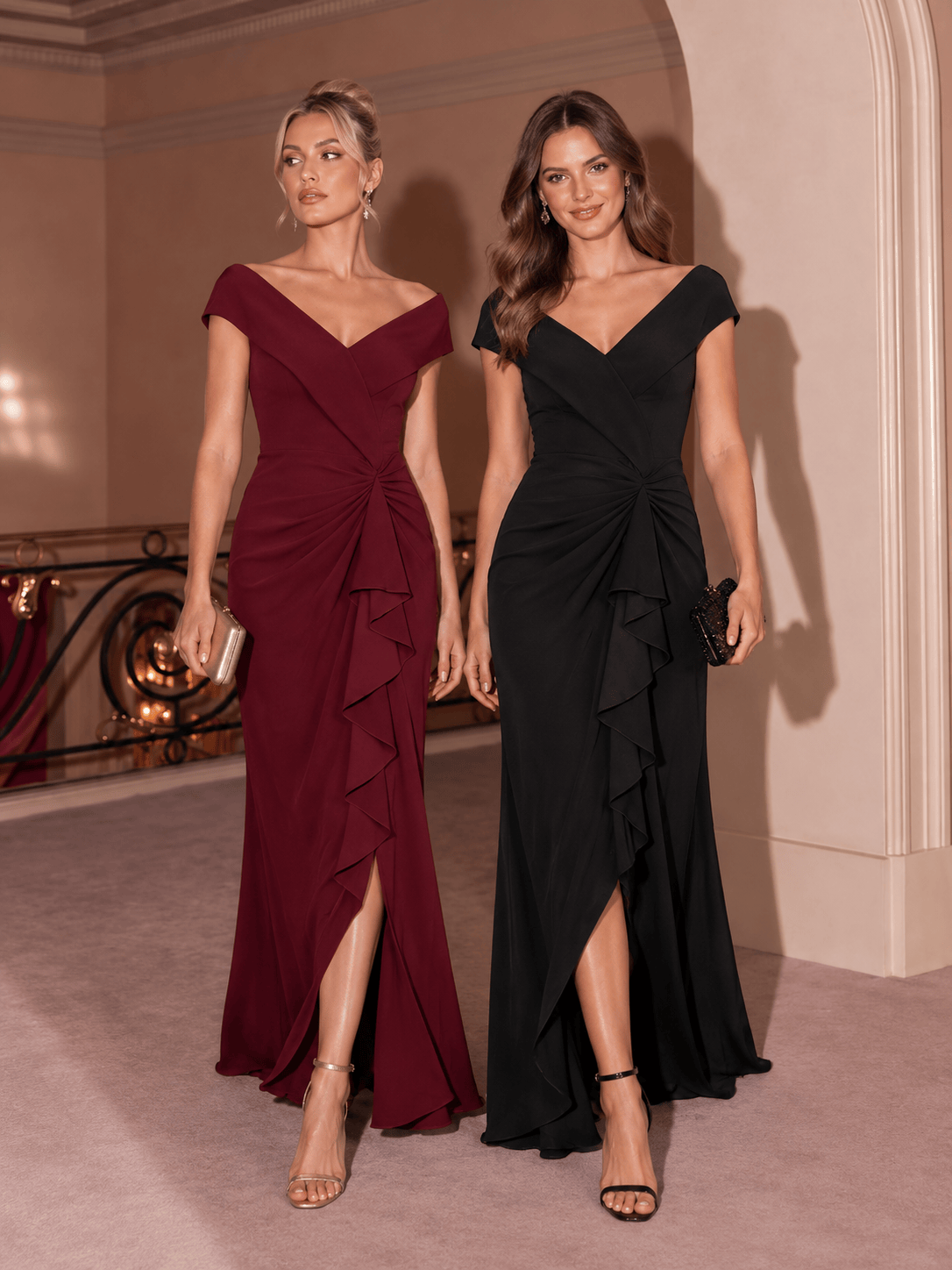
If you want a simple evening wedding dress that still feels “bridal”, the most reliable styles are minimalist satin/silk, clean A-lines, modern slip dresses, long-sleeve minimal gowns, and short or tea-length designs.
Simple works when the fabric has enough weight and the cut sits cleanly on your body—bad fabric and sloppy finishing show up fast in minimal styles.
For evening ceremonies, pay attention to two things early: how it looks under indoor lighting and whether you can sit, eat, hug, and dance without fiddling with it.
If you’re watching the budget, compare the all-in cost (dress + alterations + underwear + shoes), not the ticket price.
In this article:
- 1.Quick Answer: What Are the Best Simple Evening Wedding Dresses for Modern Brides?
Quick Answer: What Are the Best Simple Evening Wedding Dresses for Modern Brides?
The best simple evening wedding dresses for modern brides are clean-cut, understated shapes in good-quality fabric—think satin slip dresses, unfussy A-line gowns, long-sleeve minimal dresses, or neat tea-length styles. They suit evening weddings because they look intentional under indoor lighting and don’t rely on heavy bridal detailing to feel special.
A good working rule is this: pick a dress that still looks good under warm indoor light, stays comfortable for several hours, and doesn’t blow the budget once you factor in alterations. The word “evening” matters less than how the dress behaves in real-life conditions.
Understanding the Core Question: What Makes an “Evening Wedding Dress” Simple and Modern?
Definition: Evening Wedding Dress vs Traditional Bridal Gown
An evening wedding dress is essentially formalwear that’s wedding-appropriate. It’s built more like an evening dress than a classic bridal gown—less about dramatic volume and heavy structure, more about a sharp silhouette and wearable comfort.
In practice, you’ll often see:
- Less volume and fewer layers
- Minimal or no train
- Lighter structure (less boning, softer shaping)
This tends to suit modern UK weddings—especially smaller ceremonies, city venues, or evening receptions where moving around easily matters.
What “Simple” Means in Modern Bridal Fashion (Cut, Fabric, Detail)
“Simple” usually means the design doesn’t hide behind decoration. You’ll notice the dress because of its line, fabric, and fit—not because it has lace, beading, or a dramatic skirt.
The typical markers are:
- One main fabric rather than layered tulle/lace
- Clean seams and clear lines
- Minimal surface detail (no heavy appliqué, no fussy trims)
In other words: simplicity puts workmanship on display. If the cut is right and the fabric has presence, it looks modern and confident. If not, it can look a bit “thin” or unfinished. Many bridal stylists say the same thing in practice: in minimal dresses, fit and fabric do more of the talking than any extra detail.
Why Evening Dresses Appeal to First-Time, Budget-Conscious Brides
Evening wedding dresses appeal to first-time buyers because they’re easier to compare and easier to wear. You’re often choosing between recognisable silhouettes and fabrics, rather than learning bridal-specific rules.
They also often:
- Sit at lower price points than traditional bridal gowns
- Need simpler alterations (especially if there’s no train or heavy structure)
- Feel less “one day only”, which can matter when you’re price-sensitive
A lot of bridal stylists will tell you the same thing in practice: a simple dress that fits well reads more expensive than a complicated dress that doesn’t.
Core Categories: Best Types of Simple Evening Wedding Dresses
Minimalist Satin or Silk Dresses
If you want “simple” but still want the dress to feel special at night, satin and silk are the classic choice. They catch light beautifully—especially under warm indoor lighting—and they photograph well.
They work best when:
- The cut is precise through the bust and hips
- The fabric has enough weight to skim rather than cling
- The colour sits well in person (soft white, ivory, champagne tend to look less harsh than a bright optical white)
Practical try-on tip: under shop lighting, bend and sit. If the fabric creases sharply and stays creased, or you can see every line of underwear, you’ll notice it even more in evening photos.

Clean-Cut A-Line Evening Wedding Dresses
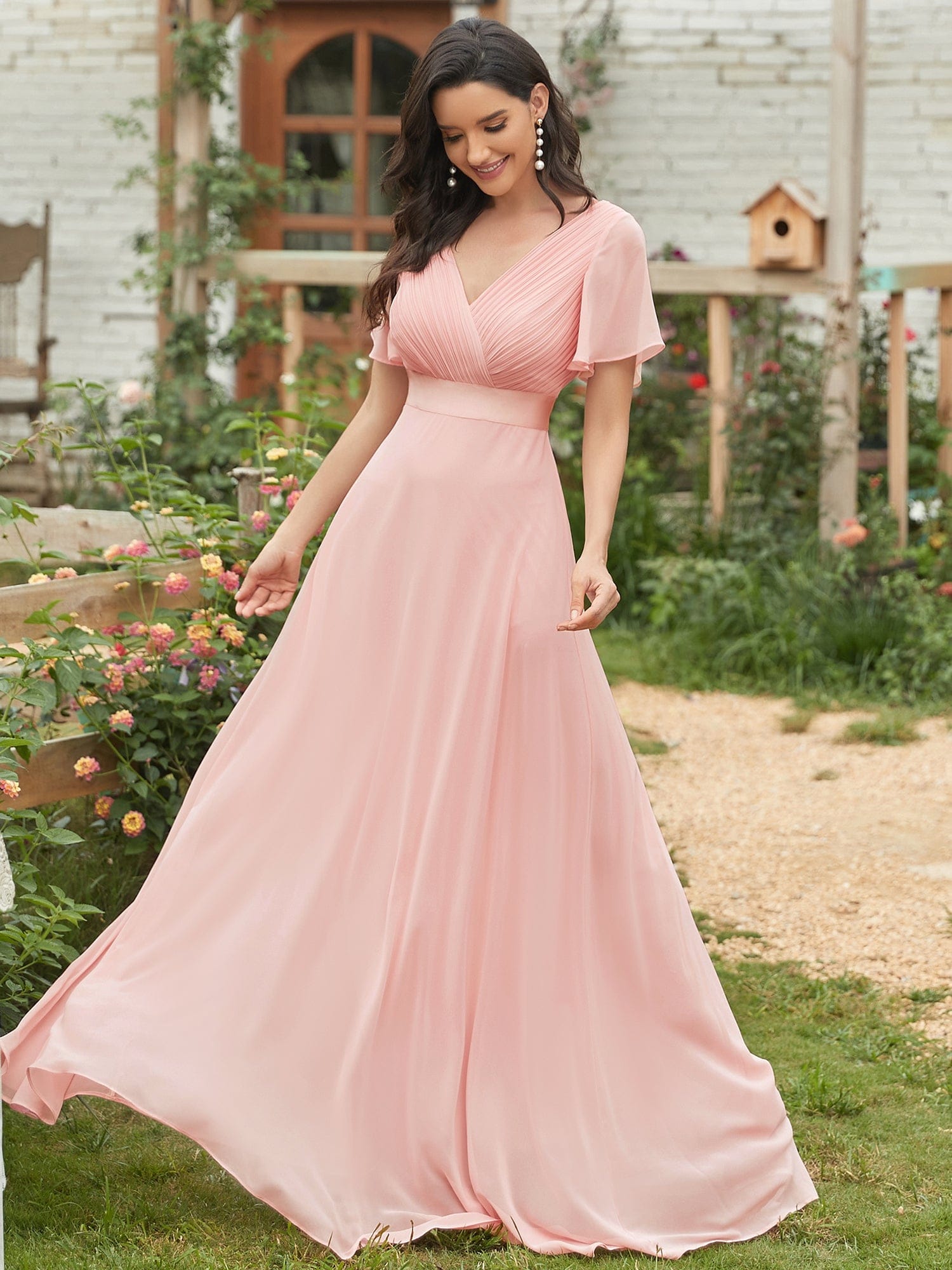
A-line is often the “safe but not boring” option: it looks bridal without feeling heavy, and it tends to suit a wide range of bodies.
In evening styles, you’ll often get:
- Less volume than traditional bridal A-lines
- Fabrics like crepe, satin, matte blends
- Enough movement for dinner, speeches, and dancing
It works particularly well for typical UK venues like a town hall/registry office ceremony followed by a hotel reception—polished, comfortable, and easy to style.

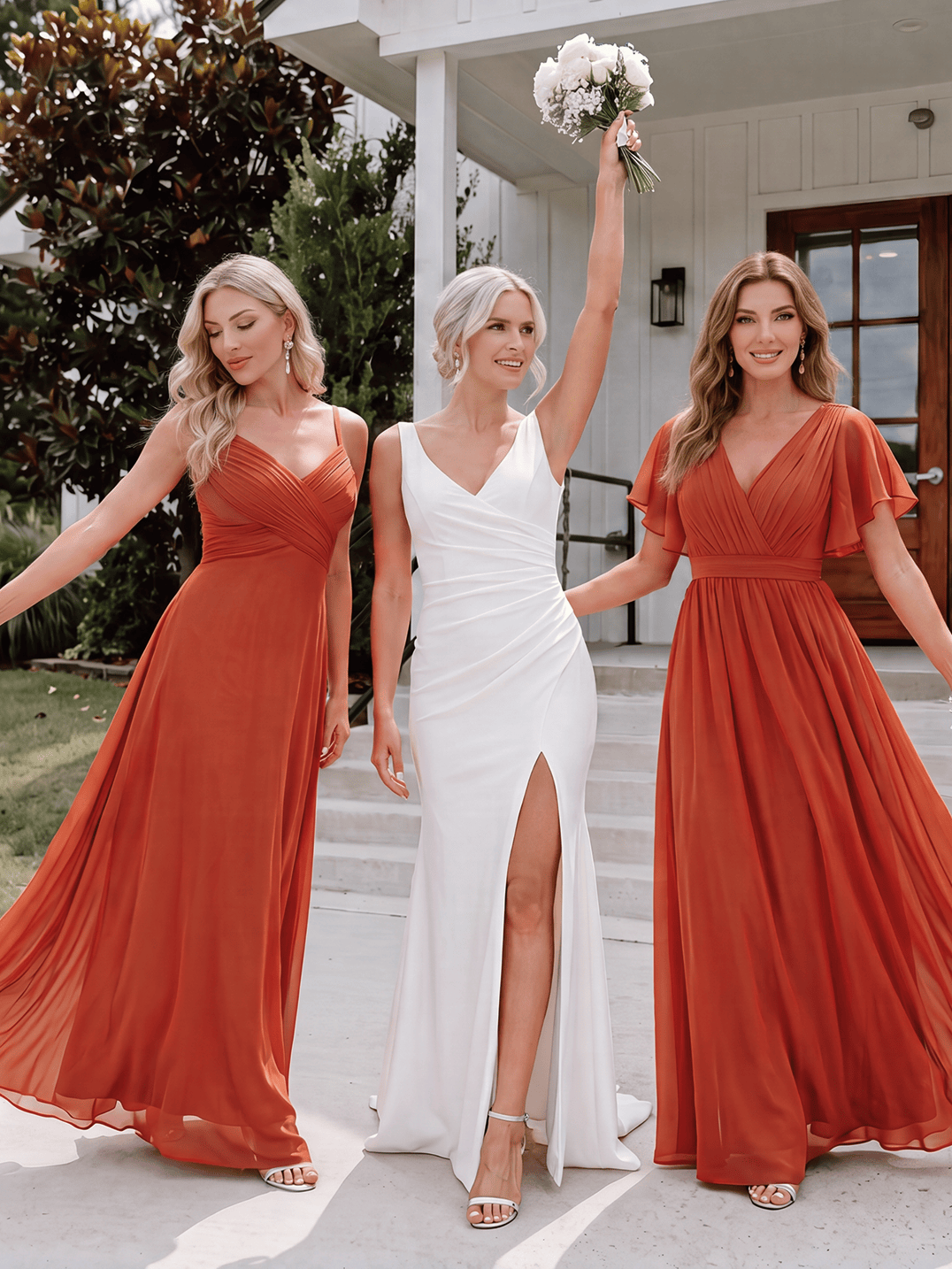
Slip Dresses for Modern Evening Weddings
Slip dresses look modern and effortless—but only when the fit is spot on. Because they’re minimal, small issues (strap length, bust fit, hip cling) are much more visible.
They tend to work best for brides who:
- Like a body-skimming silhouette
- Prefer minimal structure
- Want something modern for a city wedding or a smaller evening reception
Try-on checklist (30 seconds):
- Raise your arms: do you feel the dress shifting or slipping?
- Walk quickly: does it ride up or twist?
- Look at the side profile: does it cling at the tummy/hips in a way you’ll notice after dinner?

Long-Sleeve Simple Evening Dresses
Long sleeves can make a simple dress feel instantly more “finished”, without adding sparkle or extra layers. They’re also practical in the UK, where evening temperatures can dip even in late spring.
Common good options include:
- Fitted sleeves in crepe or satin
- Light sheer sleeves that still feel minimal (not heavy lace)
- Clean cuffs rather than dramatic flares
UK-context note: long sleeves are especially handy for drafty venues—old country houses, converted barns, churches—where you’re going in and out for photos.
Short or Tea-Length Evening Wedding Dresses
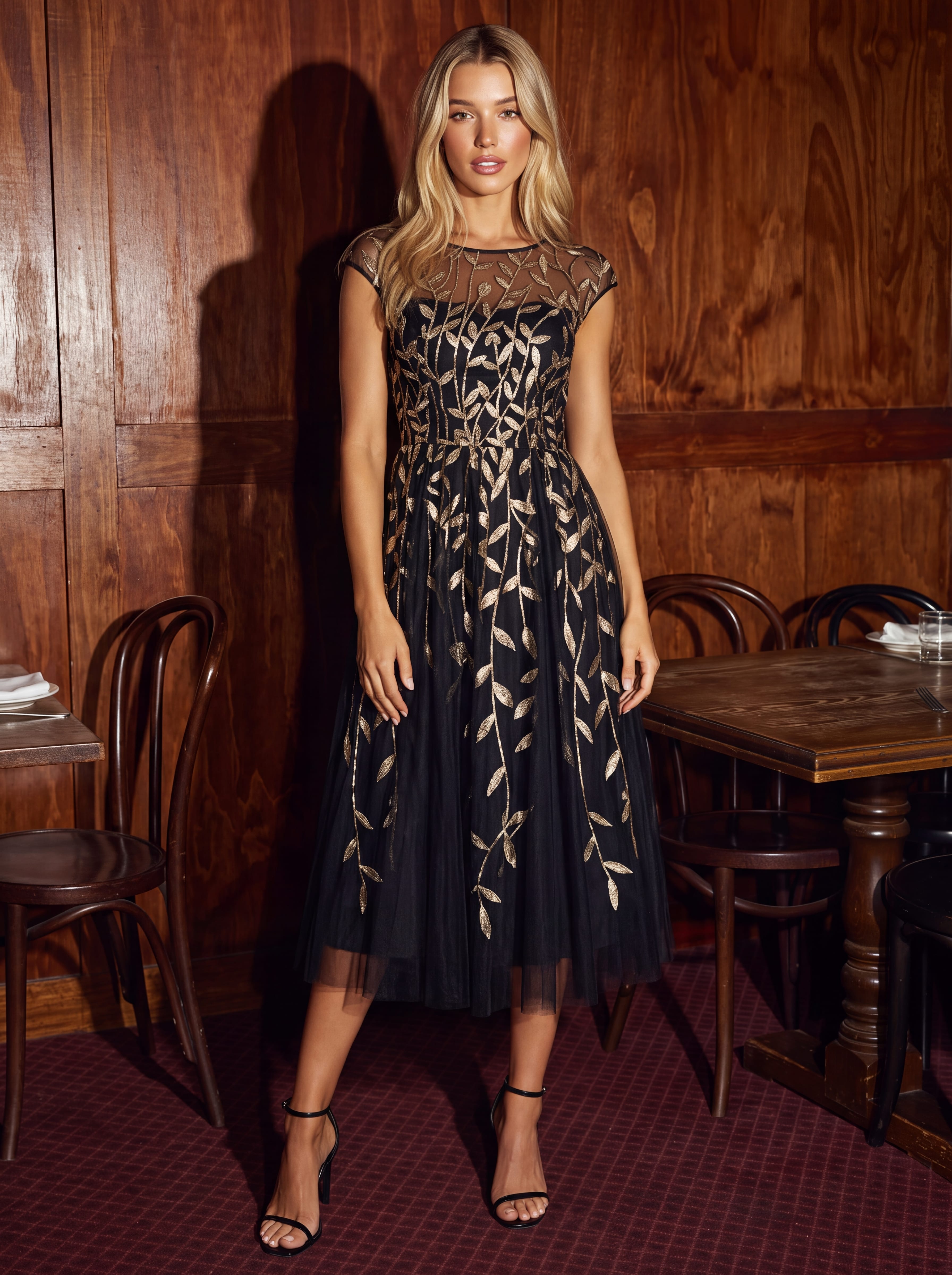
Short and tea-length dresses are often the most practical choice for modern brides—especially if you want freedom of movement and an outfit you might wear again.
They suit:
- Registry office weddings
- Intimate dinners, private rooms, pub venues
- Brides who don’t want to manage a hem all evening
They also shift attention to shoes and styling, which can be a plus if you’re keeping the dress itself minimal.

How to Choose the Right Simple Evening Wedding Dress for You
Choosing Based on Wedding Time and Venue
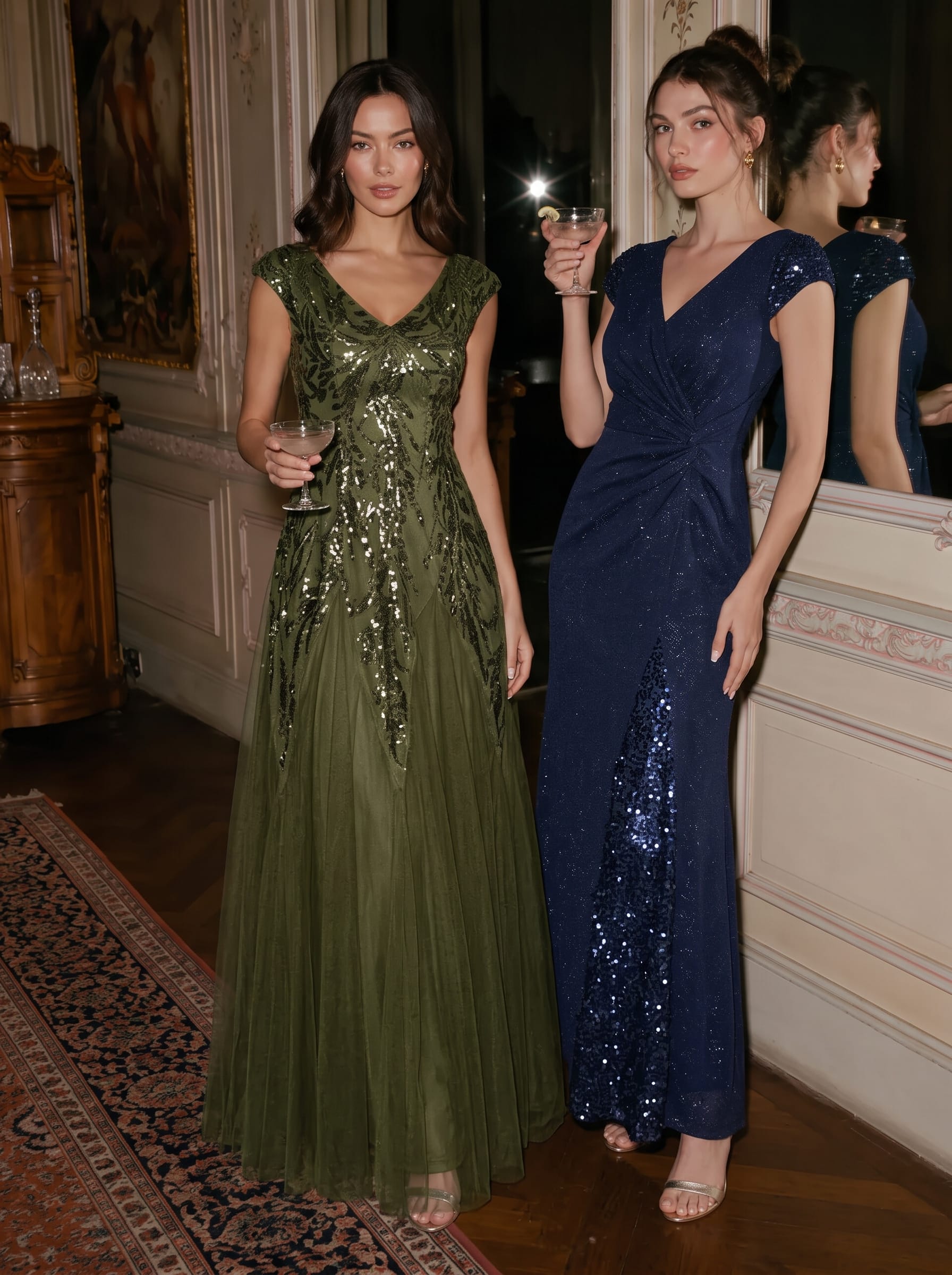
For evening weddings, think less about trends and more about how the dress reads indoors. Warm lighting can make certain whites look stark or slightly blue, and some shiny satins can reflect light unevenly.
Venue cues that help:
- Candlelit / dim venues: softer fabrics and gentle sheen often look better than bright, stiff fabric
- Modern venues (gallery, rooftop, contemporary hotel): sharp silhouettes and clean lines look intentional
- Historic venues (manor houses, old halls): classic cuts and matte fabrics can feel more “at home”
A simple test: if it looks good under the shop’s warm lighting and still looks good near a window, it’s usually a safe bet.
Choosing Based on Body Shape and Comfort
The most flattering dress is usually the one you stop thinking about once it’s on. Simple dresses don’t rely on heavy structure, so fit and comfort do a lot of work.
In many cases:
- A-line gives you breathing room and flexibility
- Stretch crepe is forgiving and easy to move in
- Slip dresses are less forgiving and need more precise tailoring
Real-life comfort test: sit down, lean forward (like you’re talking across a table), and take a few deep breaths. If anything digs in or shifts, you’ll notice it for hours.
Choosing Based on Budget and Price Expectations
If you’re price-sensitive, the sensible comparison is the all-in spend, because simple dresses often need finishing touches to look perfect.
Beyond the dress, budget for:
- Alterations (hem, straps, bust shaping)
- Underwear (strapless bra, shapewear, seamless options)
- Shoes that work with the hem length and venue floor
A cheap dress that needs major tailoring can easily end up costing more than a slightly pricier dress that fits well off the rack. Alterations specialists often point out that hems and strap work are the two most common “quiet costs” on minimal dresses—worth planning for upfront.
Choosing Based on Reusability After the Wedding
Rewearability is one of the main reasons brides choose evening styles in the first place. If that matters to you, aim for a look that’s bridal because of styling, not because of obvious bridal features.
Rewearable dresses tend to be:
- Minimal in detail (no heavy bridal lace/beading)
- Easy to style down later with a blazer or different shoes
- Appropriate for formal events (black-tie dinners, weddings, awards nights)
Even if you never wear it again, choosing something that could be reworn often makes the purchase feel more rational.
Common Decision Mistakes to Avoid
Confusing “Simple” with “Low Quality”
Simple dresses expose everything: seams, lining, and fabric quality. If the dress is poorly made, there’s nowhere for it to hide.
Quick checks that save regret:
- Fabric weight: does it feel substantial or flimsy?
- Lining: does it feel smooth, or does it cling and bunch?
- Seams/zip: do they lie flat, or ripple and pull?
If you see puckering around the zip in the fitting room, it rarely gets better on the wedding day.
Overlooking Fabric and Fit in Evening Lighting
Evening lighting can change how fabric looks and how your photos turn out. Thin satin can show creases and reflections; bright whites can look harsh; some fabrics pick up every shadow.
If you can, do a quick “phone camera” test:
- Stand under a warm light (shop fitting room lighting works)
- Take a normal photo and a flash photo
- Check whether the fabric looks shiny in a patchy way, or whether it stays smooth and even
If it looks odd on your phone in normal indoor light, it’s worth reconsidering.
Ignoring Alteration Costs When Comparing Prices
Alterations are where budgets quietly get eaten—especially with minimal dresses where fit has to be exact.
Common costs come from:
- Hem length (especially with satin)
- Strap adjustments (slip dresses in particular)
- Bust shaping / internal support
A useful rule: if the dress is minimal and fitted, plan for at least some tailoring—because the difference between “nice” and “wow” is often half an inch in the right place.
Practical Buying Checklist for First-Time Buyers
Key Questions to Ask Before Purchasing
- Does this dress still look good under warm indoor light?
- Can I sit, eat, hug, and dance without adjusting it?
- What’s the likely alteration list (and roughly how complex is it)?
- What underwear will I need—and can I wear it comfortably?
If you can answer those without hesitation, you’re usually close to the right choice.
What to Prioritise When Comparing Similar Dresses
When two dresses look similar on the hanger, the winner is usually the one that:
- Has better fabric quality (weight, drape, feel)
- Fits better through the bodice
- Will be easier (and cheaper) to alter neatly
Tiny differences in construction matter more in simple designs than they do in heavily embellished ones.
When an Evening Wedding Dress Is the Better Choice Than a Bridal Gown
An evening wedding dress is often the better choice when:
- Your ceremony is small, city-based, or registry-led
- You want something modern and wearable, not tradition-heavy
- Budget is tight and you’d rather spend on fit, comfort, or the day itself
For a lot of UK couples doing a registry office plus evening reception, it’s also just the practical option—you look bridal, but you can actually move.
Final Summary: Who Simple Evening Wedding Dresses Are Best For and Why
Simple evening wedding dresses suit brides who want a modern look, a manageable budget, and a dress that feels like them rather than a costume. If you choose a good fabric, get the fit right, and test it under indoor lighting, simple looks polished—not “less than”.
If you’re deciding where to start, the most dependable route is still the same: a clean silhouette (A-line or slip), a fabric with enough weight, and a realistic plan for alterations and underwear. That combination tends to hold up best in real venues, real lighting, and real wedding timelines.