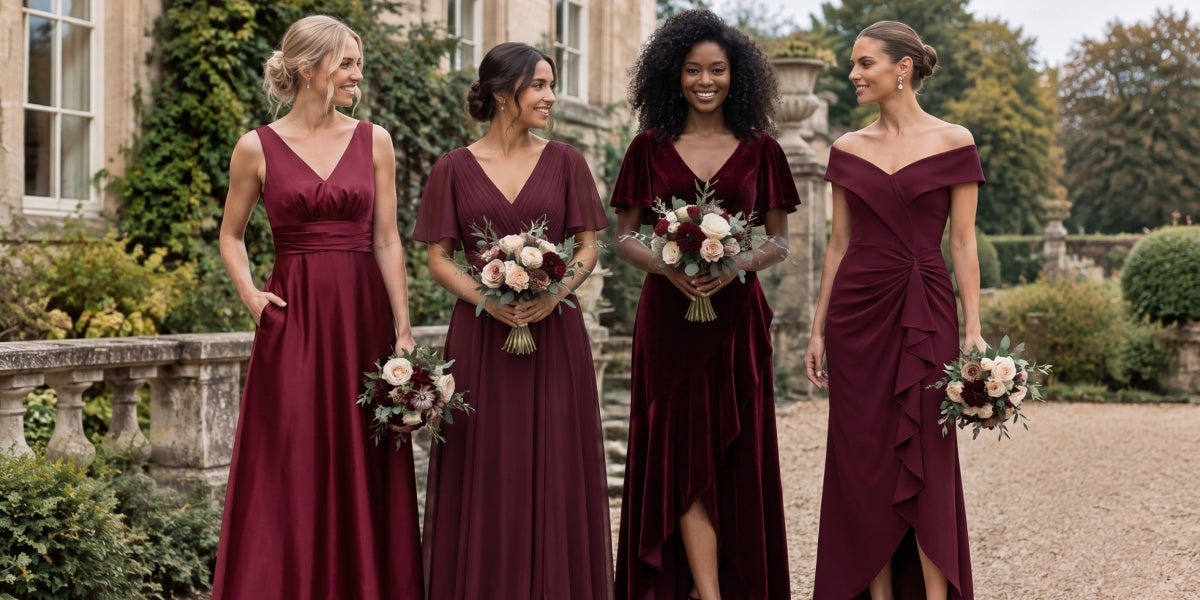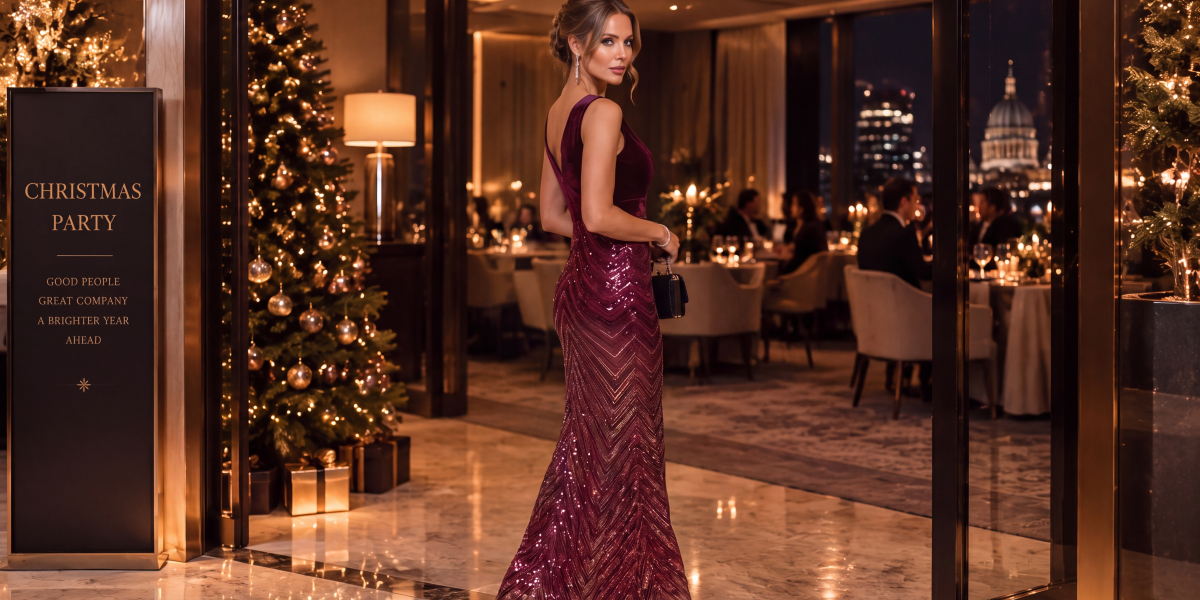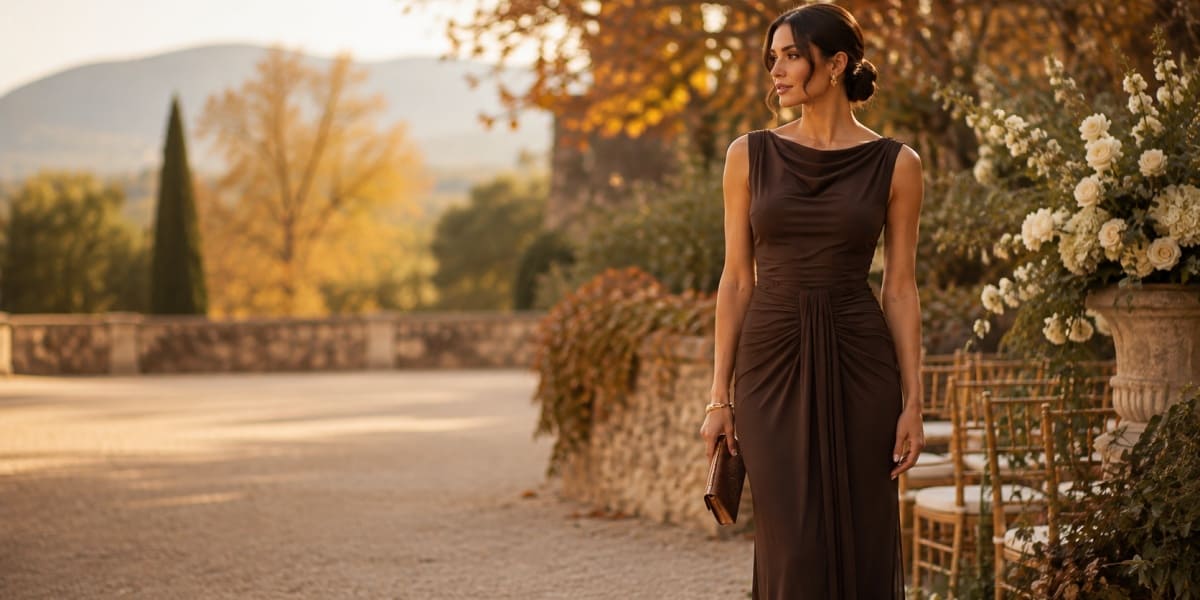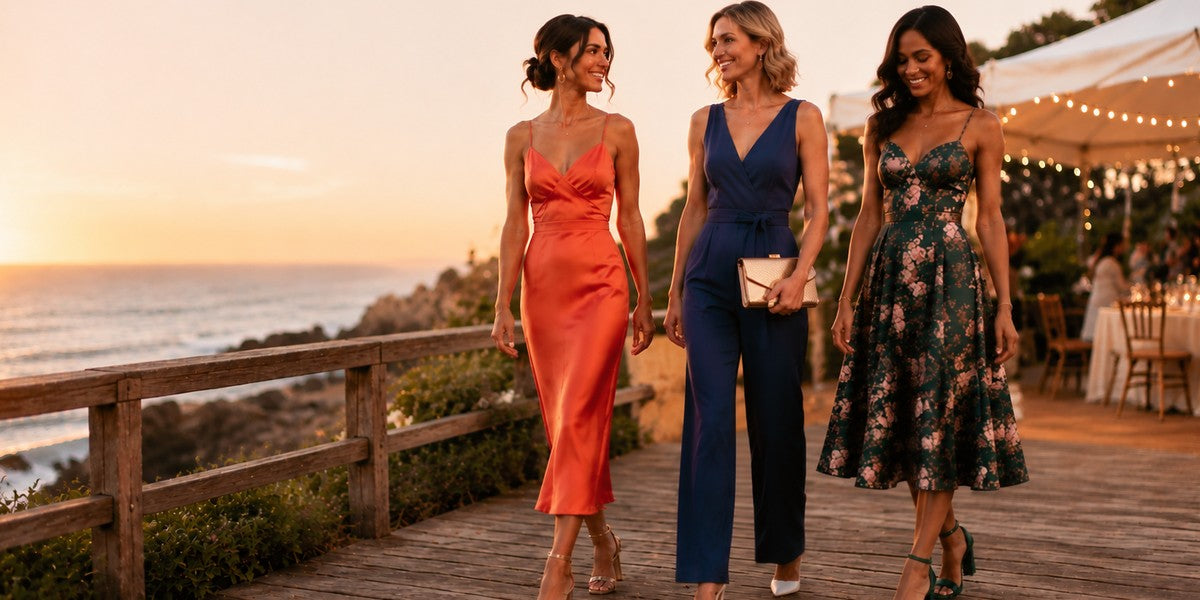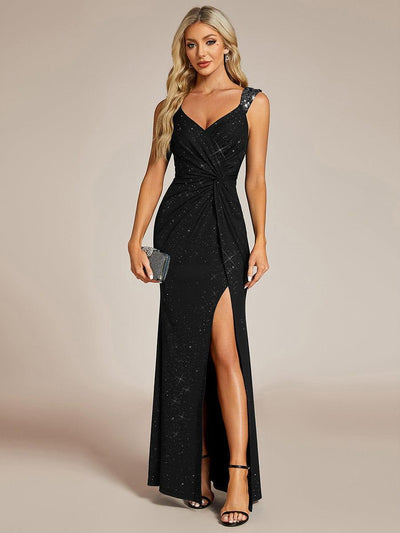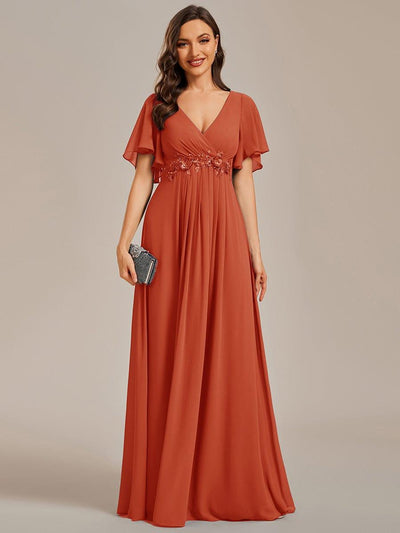
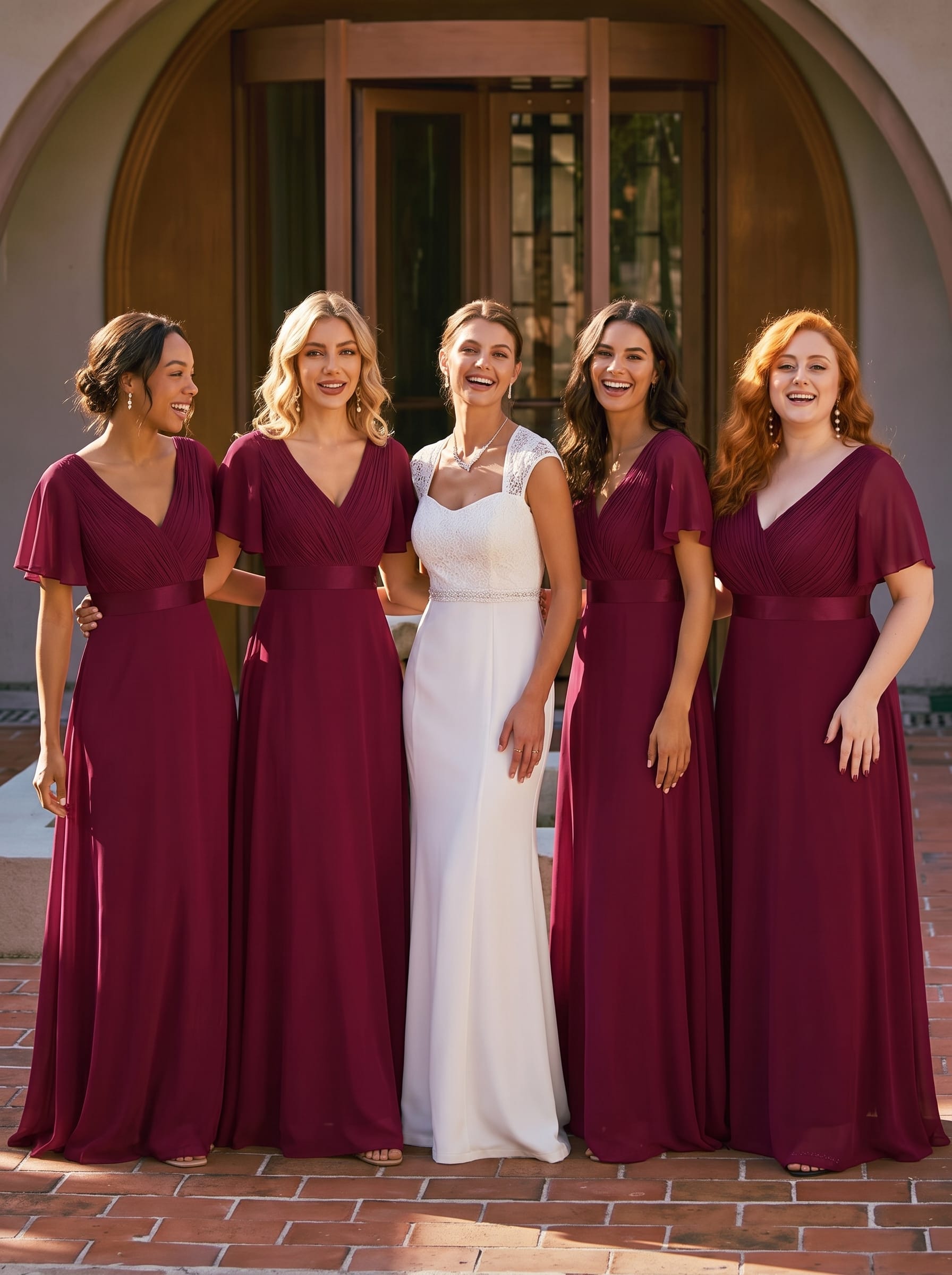
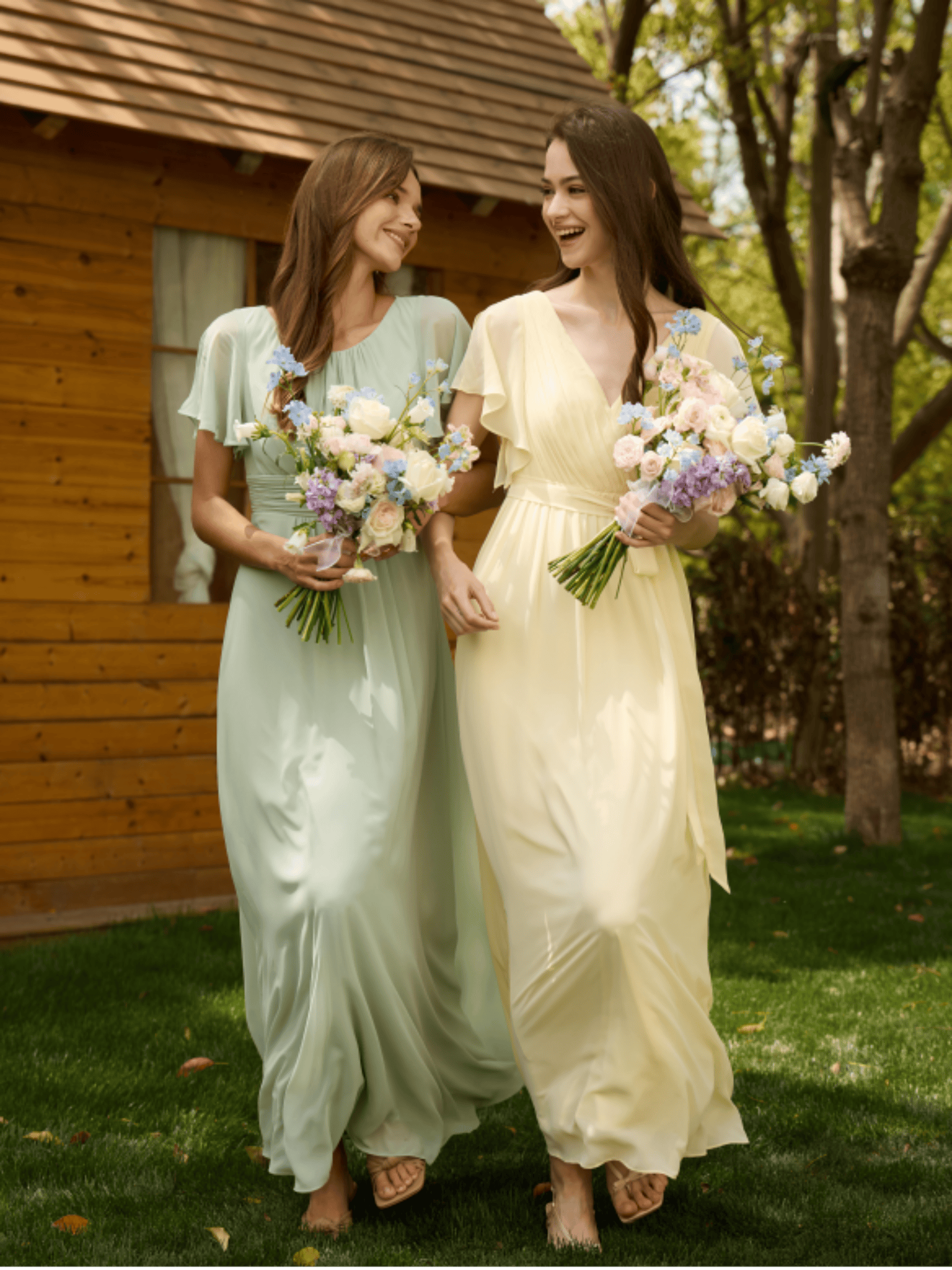
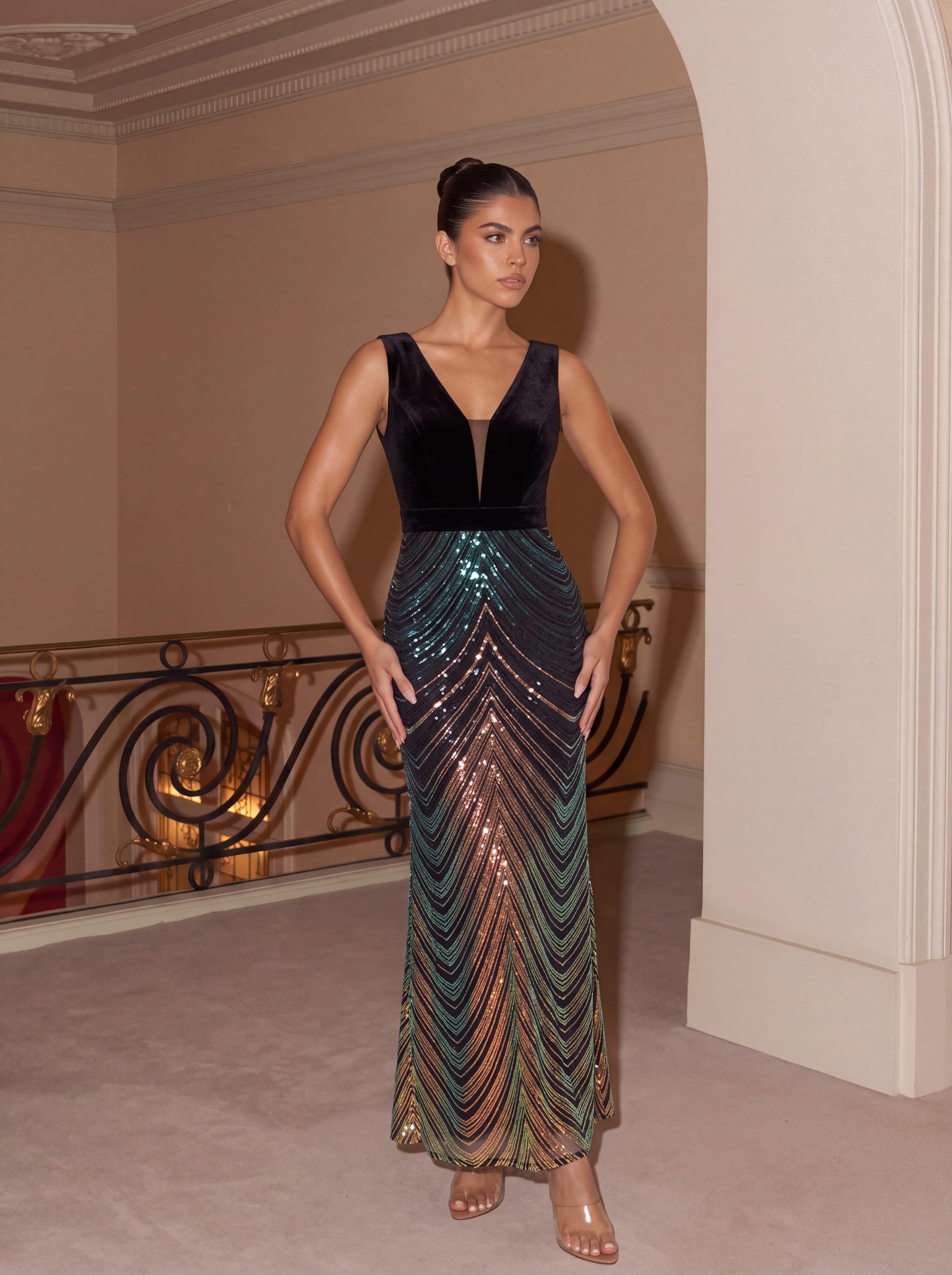
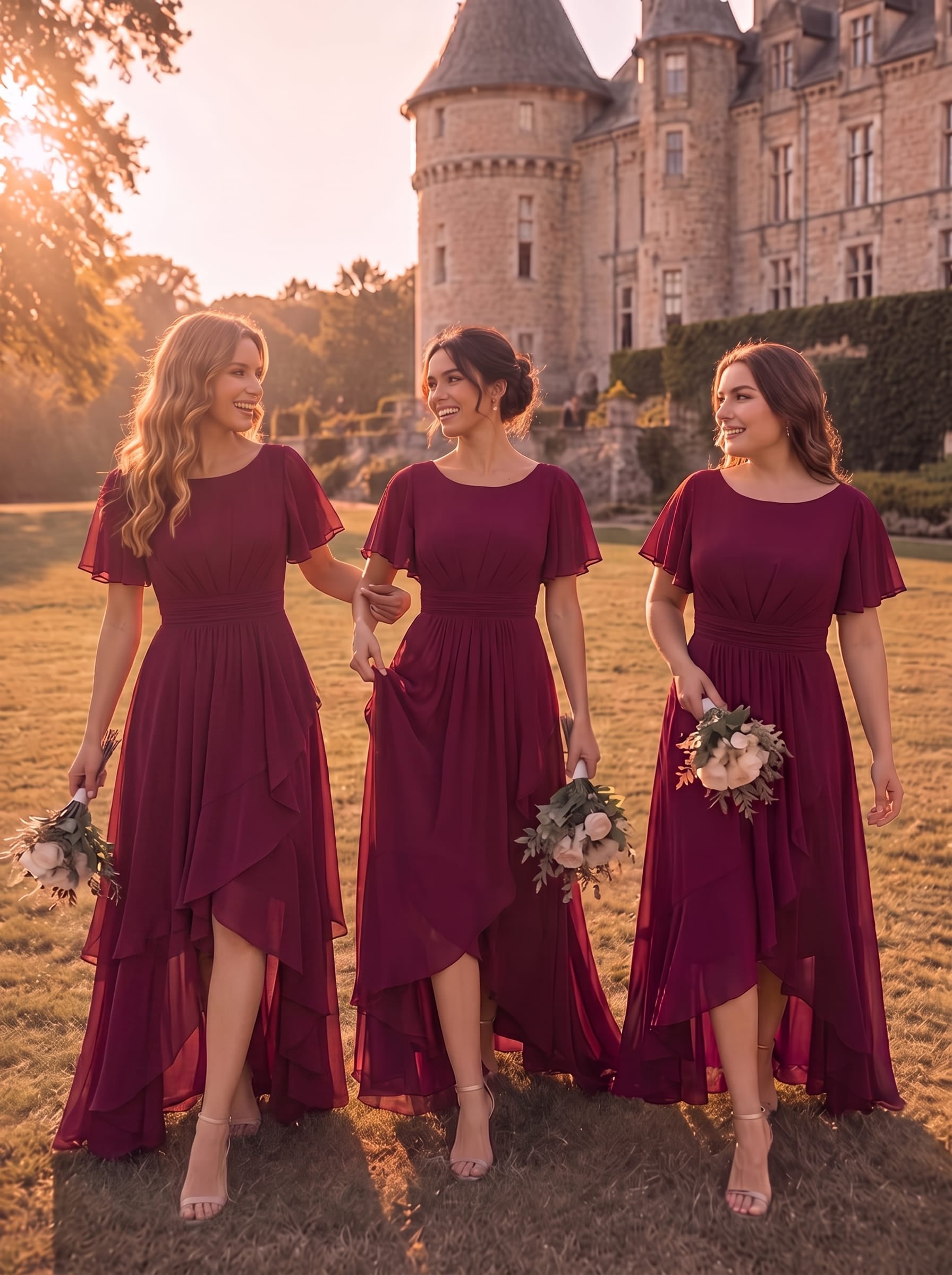
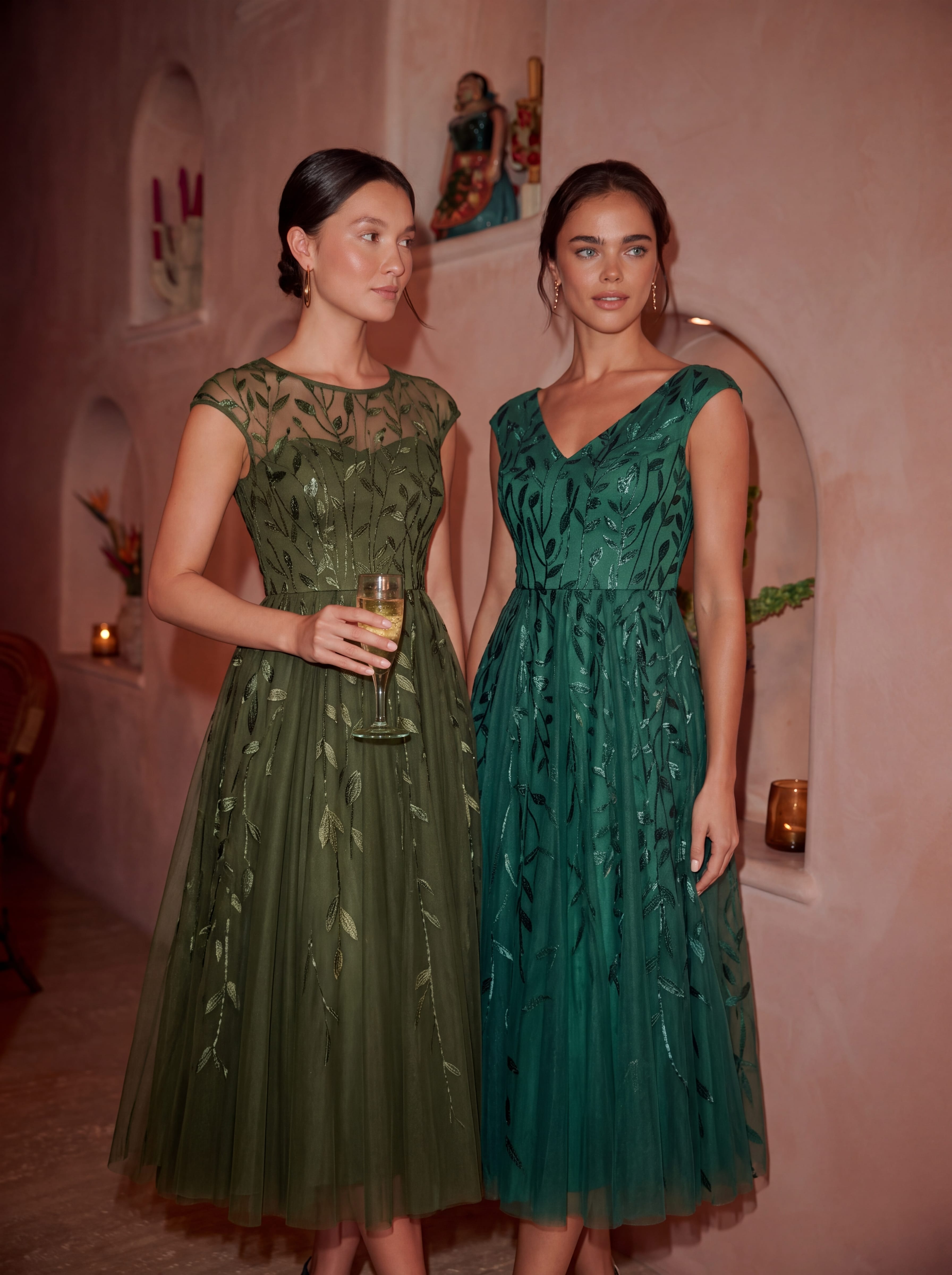
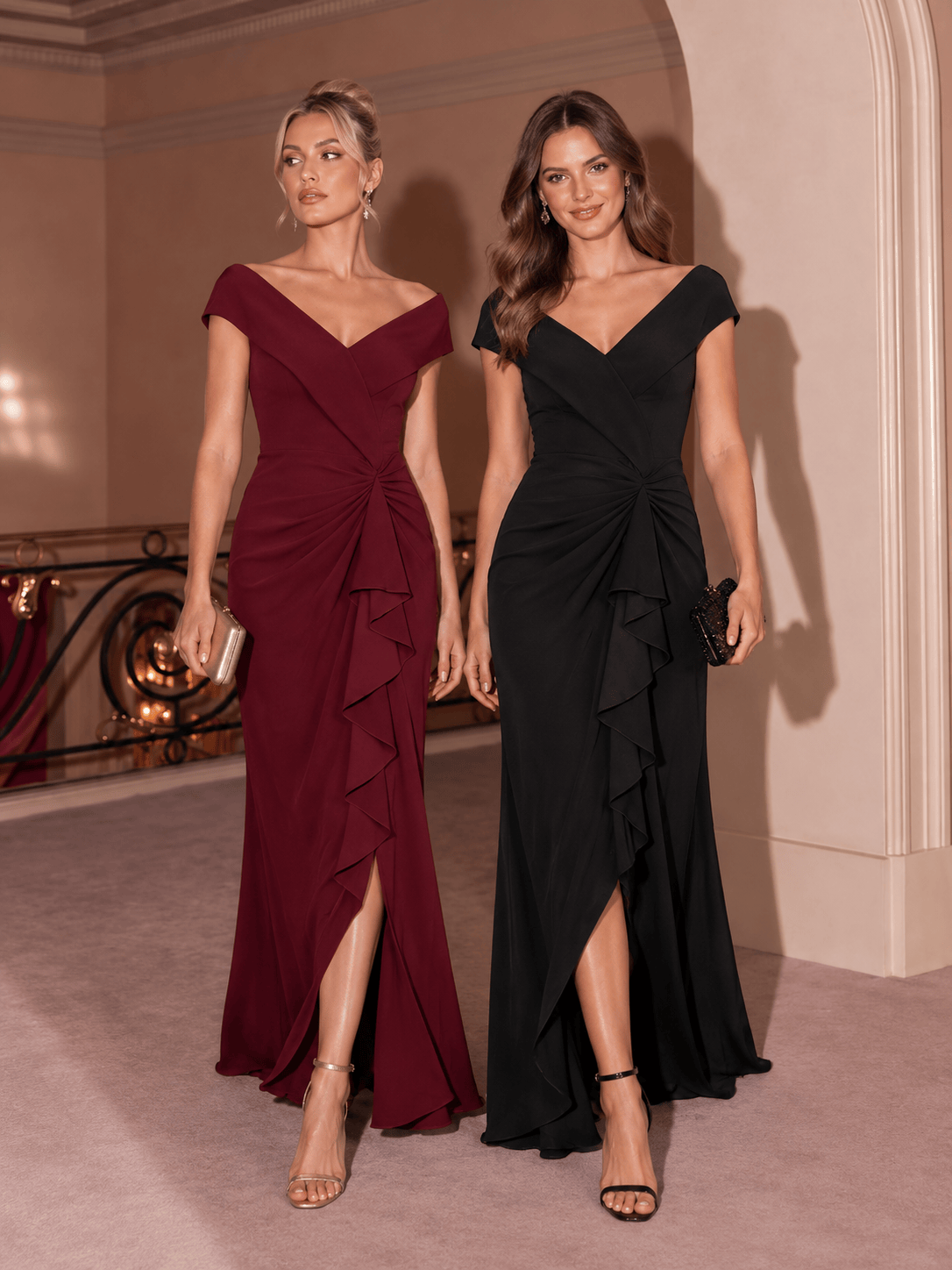



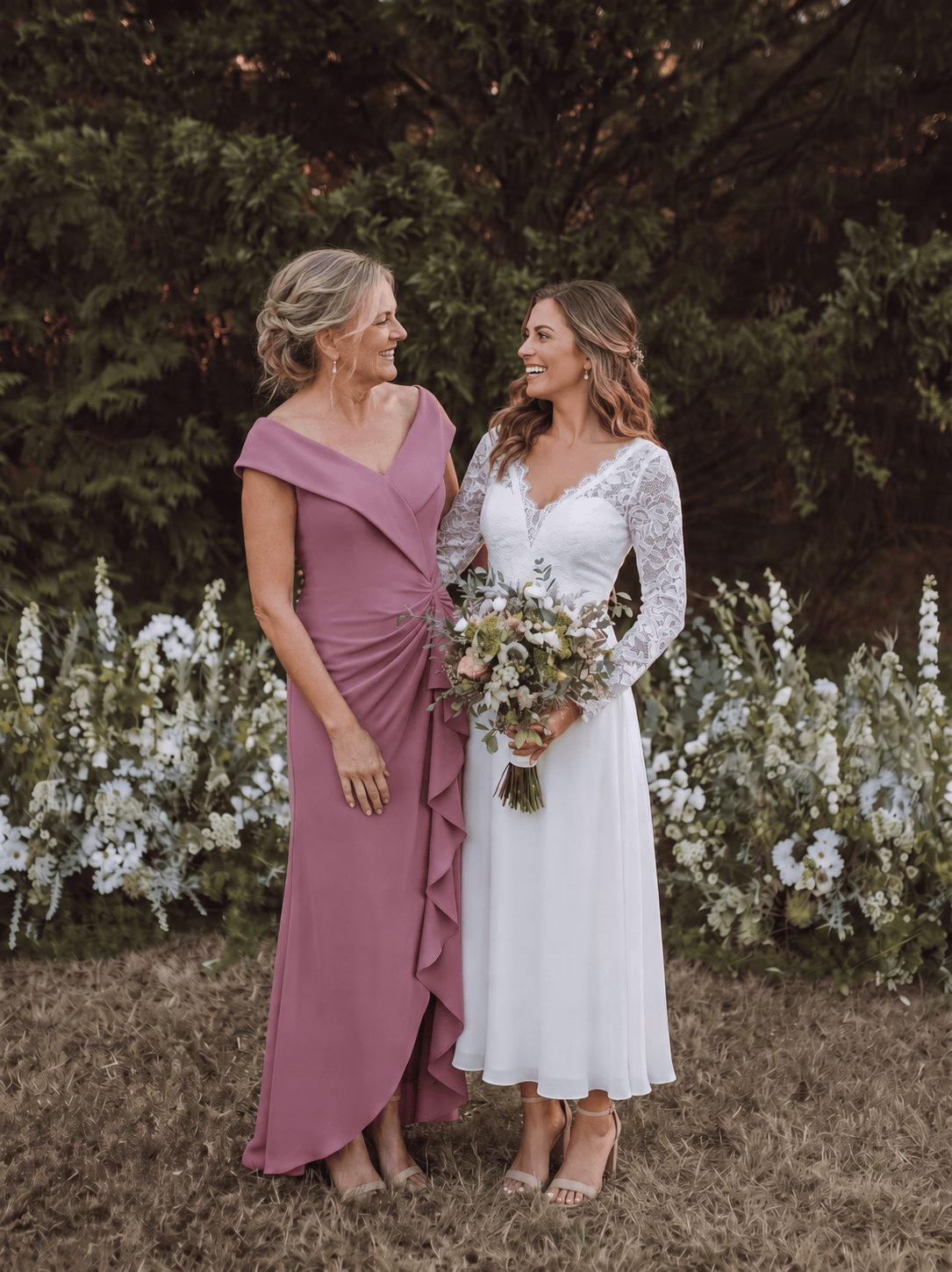
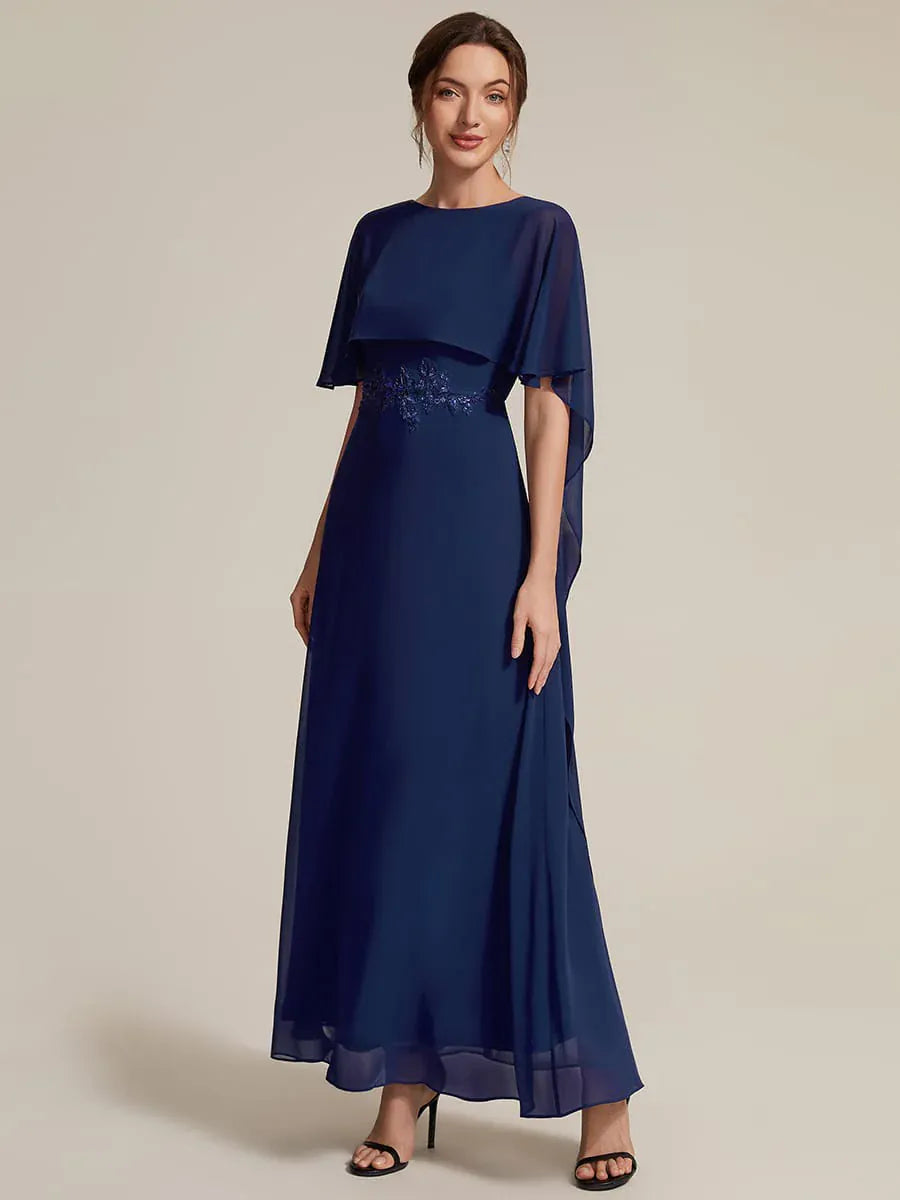


Wedding guest dresses that look polished (not too young, not too matronly): 5 rules
If you want a wedding guest dress that reads polished at a UK wedding, the most reliable formula is:
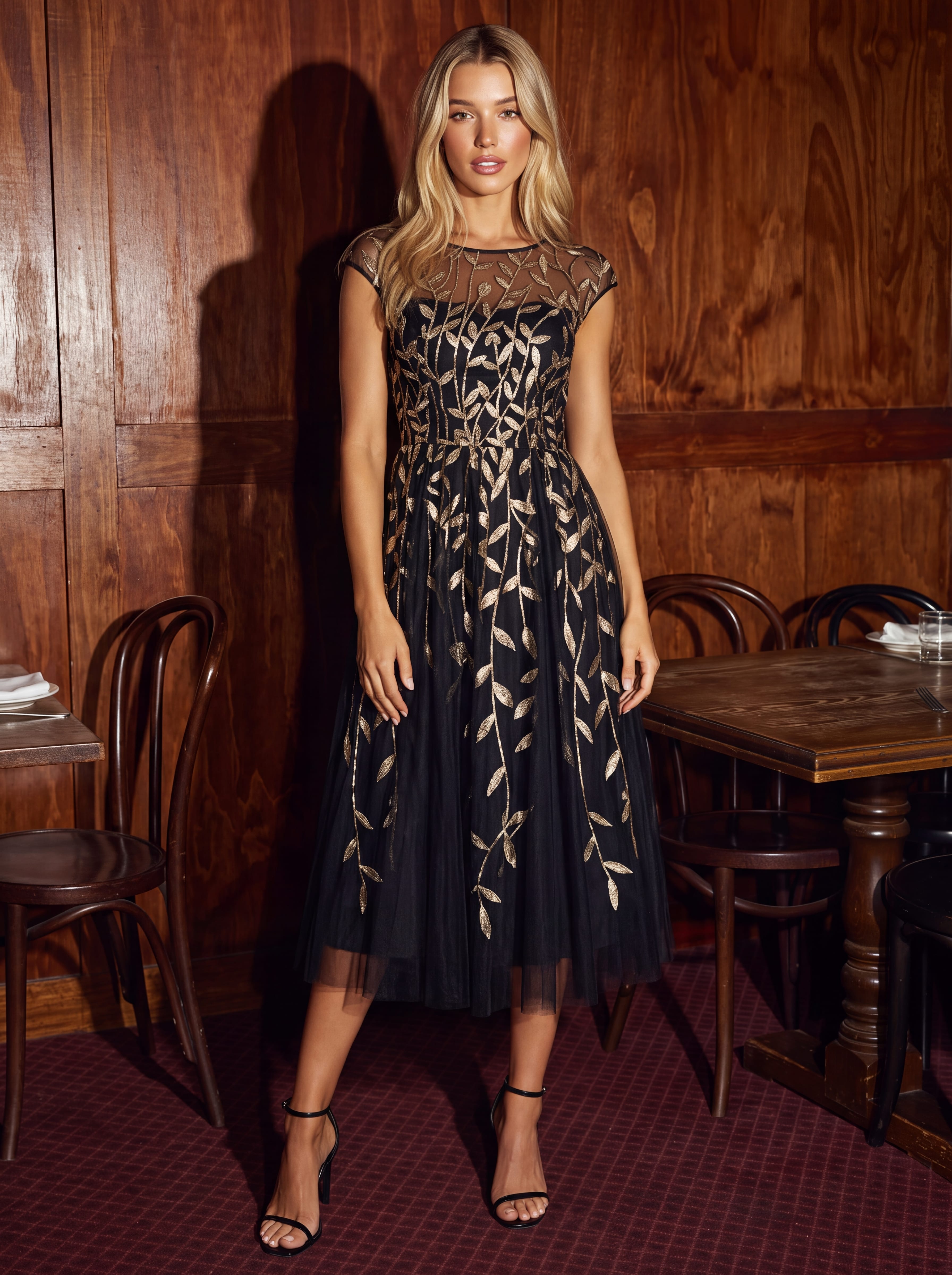
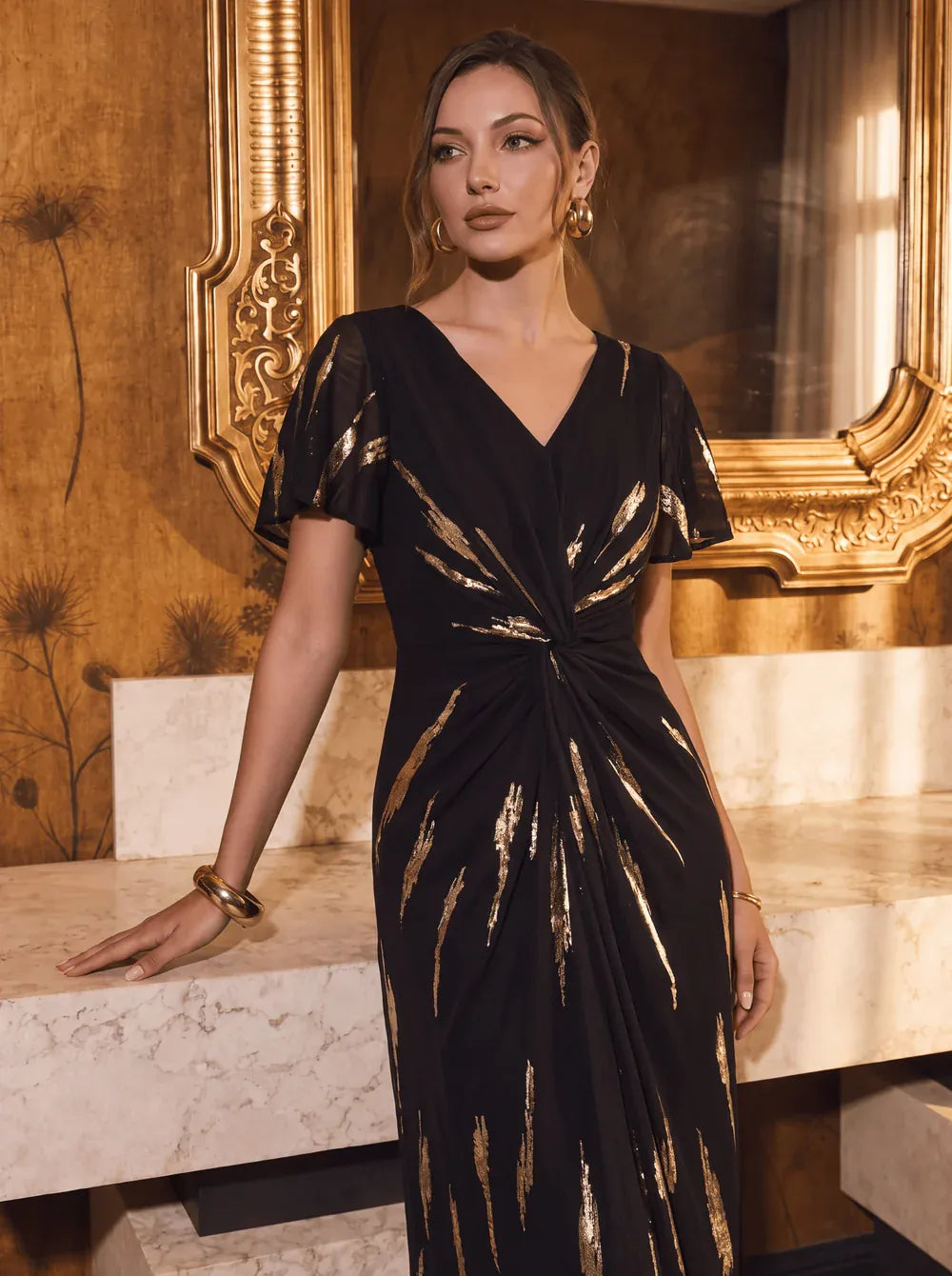
midi/tea length + a fabric with structure or good drape + one standout detail + a secure neckline + a fit that skims.
When in doubt, pick the dress that looks appropriate beside suits and occasionwear in photos—and that you can sit, walk, and dance in without needing to adjust.
In this article:
- 1.What This Guide Means by “Polished” (and Who It’s For)
What This Guide Means by “Polished” (and Who It’s For)
Here, “polished” means: intentional, photo-friendly, and clearly occasion-appropriate—without looking like a night-out outfit, and without feeling overly cautious or dated.
In the UK, most weddings sit in a middle zone: elegant but not overly formal, unless the invitation specifies otherwise. The aim is not perfection; it’s context-fit.
When These Guidelines Apply (Day vs Evening, Venue, Dress Code)
Your “correct level” is usually decided by three things:
- Venue (church/country house/garden/hotel/registry office)
- Time of day (day vs evening)
- Formality of the couple / dress code wording
Day weddings (church, registry office, garden, country house): lighter tones, softer styling, fabrics that look elevated but not “red carpet.”
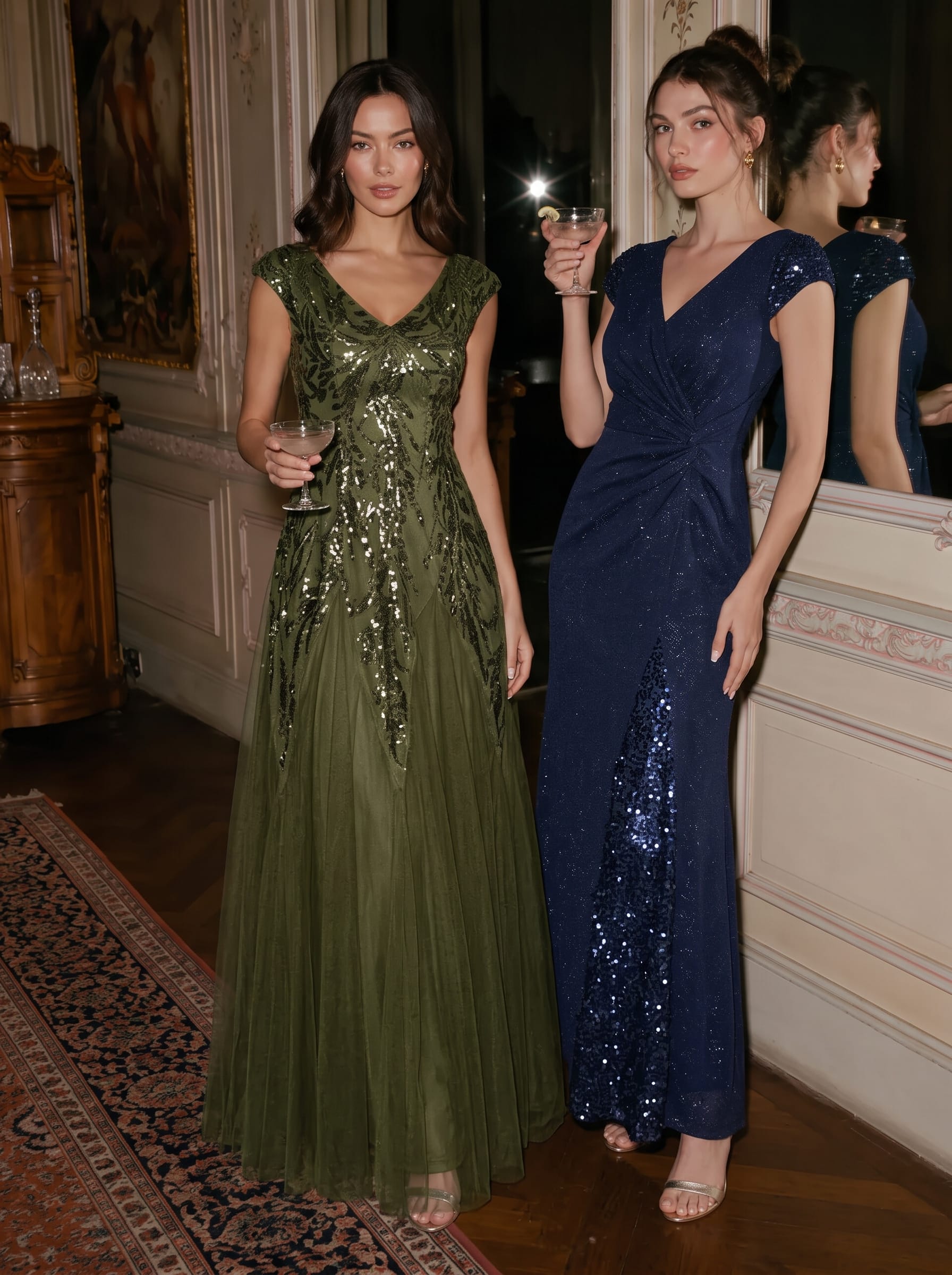
Evening receptions: richer tones, more embellishment is fine, but still wedding-appropriate.
If it says “Black Tie”: treat that as a separate category—many standard “wedding guest dresses” will look underpowered.
Quick Answer — 5 Rules for a Polished UK Wedding Guest Dress
Rule 1 — Default to Midi or Tea Length (with clear exceptions)
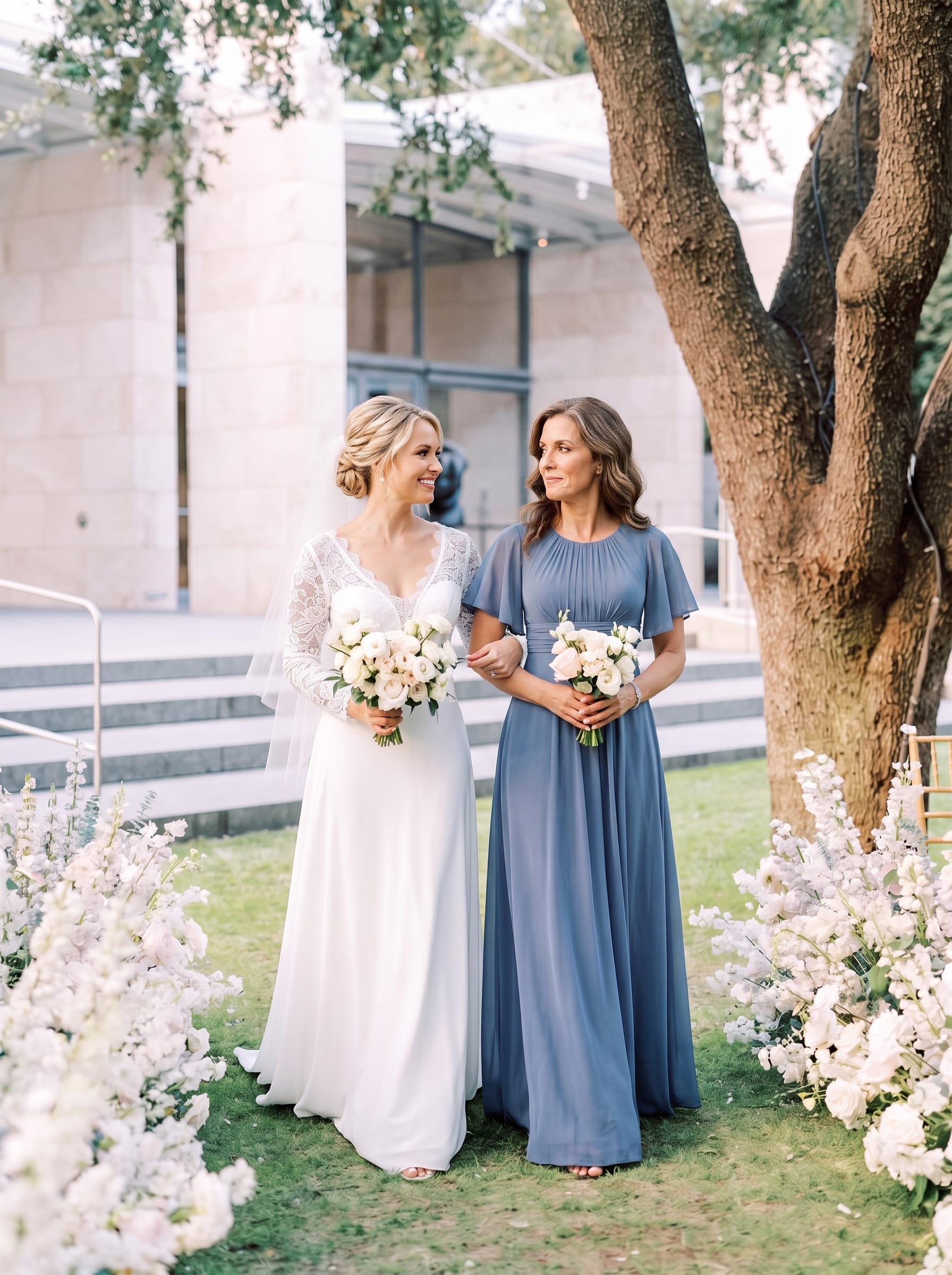
Midi/tea length is the safest UK wedding guest hem: modern, flattering, and easy to style.
Hard boundary guidance
- Most versatile: just below knee to just above ankle
- Risk zone: mid-calf + stiff fabric + no waist definition (can look heavy in photos)
- If you choose a shorter hem, keep the overall look tailored and refined (not clingy or shiny).
Exceptions
- Black tie: floor length or a very elevated long midi
- Heat/destination: floaty maxi works; avoid sheer fabrics
- Registry office: slightly shorter can work if the vibe is modern and city-based

Rule 2 — Fabric Does Most of the Work (Structure + Drape)
“Polished” often comes from fabric first. Choose material that holds shape, hangs cleanly, and doesn’t turn sheer in light.
Usually safe
- heavier crepe
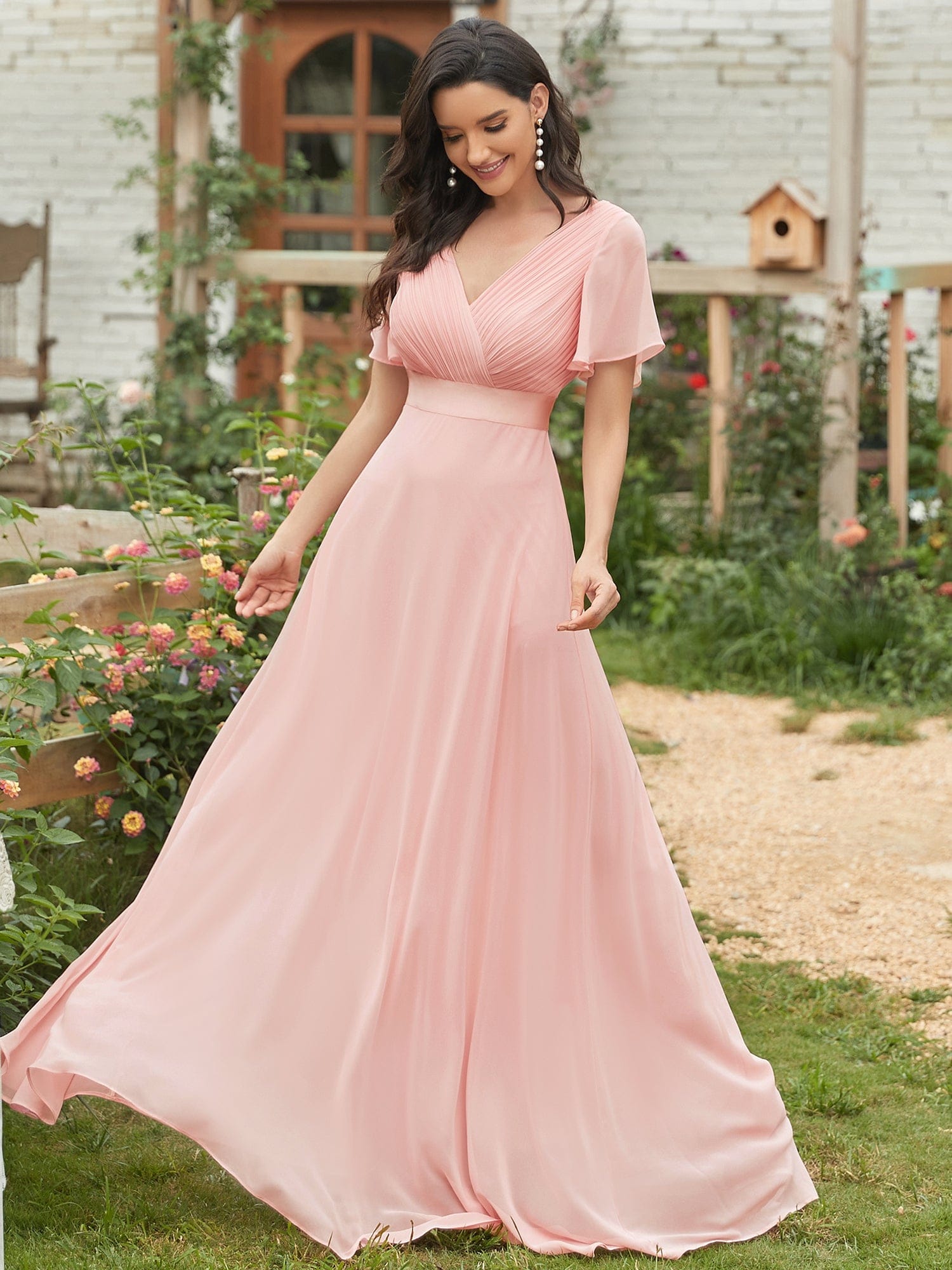
- lined chiffon
- weighty satin (not flimsy)
- jacquard/brocade (for more formal venues)
- structured lace with lining
- thicker jersey (non-clingy)
Commonly risky (not forbidden, but check carefully)
- thin satin (creases, clings, can read lingerie)
- thin jersey (casual, shows underwear lines)
- linen (creases quickly; can look daytime casual)
- unlined pale colours (often go sheer in sunlight)
Hard boundary: If the dress becomes noticeably sheer under flash or in daylight, it’s not a good wedding bet unless fully lined.

Rule 3 — One Statement Element at a Time
You can absolutely have personality, but stacking multiple “high-impact” details is what tends to push a dress into the wrong category.
Choose one: bold colour or statement sleeves or print or sparkle
…and keep everything else calm.
Hard boundary examples
- If it has a big print and a dramatic sleeve and a deep neckline: usually too much for most UK weddings.
- If it’s heavily embellished: keep length and silhouette more classic.
Rule 4 — Prioritise a Secure Neckline and Event-Appropriate Cut
This is not about being conservative; it’s about practicality and confidence. Weddings involve sitting, hugging, bending, and photos from every angle.
Best “no-fuss” necklines
- V-neck (moderate depth)
- square neck
- soft sweetheart
- high scoop
- boat neck (great for daytime)
Hard boundaries
- If you need constant tape/adjusting to avoid gaping or slipping, it will rarely look polished on the day.
- Cut-outs at the waist or underbust are high risk for most UK weddings unless the crowd is clearly very fashion-forward and the rest is restrained.
Coverage situations
Religious venues / winter weddings: get coverage through tailoring and fabric (wrap, blazer, lined sleeves), not bulky “fussy” additions.

Rule 5 — Fit Should Skim (Not Cling, Not Hide)
The easiest way to look modern is fit that defines lightly and moves well.
Polished fit checklist
- shoulders sit cleanly
- waist is defined (even softly)
- hips are skimmed, not squeezed
- skirt has movement
Hard boundary: If it rides up significantly when you sit, or the fabric pulls sharply across the body, size up and tailor.
Quick Reality Checks (Fast, Practical, High Value)
Before committing, do these four checks in good light:
- Bend test: does the neckline gape?
- Sit test: does the hem jump up dramatically? does it crease badly?
- Flash/daylight test: does it turn sheer? does the lining end too high?
- Photo test: quick front + side photo (some fabrics look different on camera)
If it passes these, you’ll look more polished because you’ll feel more relaxed.
Decision Matrix (Choose the Right Dress Fast)
Step 1 — Identify the Dress Code
- Cocktail: midi/knee length, refined fabric, some structure
- Formal: longer lengths, richer fabric, more elevated styling
- Black tie: gown or very elevated long midi, luxe fabric
Step 2 — Match the Venue
- Church: avoid very short hems; consider shoulder coverage
- Country house: romantic midis, polished prints or solids
- Garden: lighter fabrics; choose practical heels for grass
- Hotel: sleeker silhouettes, deeper tones work well
- Registry office: modern city styling, slightly more fashion-forward is fine
Step 3 — Match the Season
- Spring/summer: breathable fabrics, light lining, avoid cling
- Autumn/winter: richer tones, sleeves, heavier fabrics + proper outer layer
Step 4 — Match Your Comfort Constraints
Sleeves, bra-friendly neckline, tummy comfort, walking terrain—these aren’t “extras,” they determine how polished you look.
Step 5 — Final Polished Test (3 Questions)
- Does it look appropriate next to suits and occasionwear in photos?
- Can you sit, eat, and dance without adjusting?
- Does it read “wedding guest,” not “night out” or “just playing safe”?
If yes, you’re done.

Common Mistakes That Make a Dress Look “Too Young” or “Too Matronly”
Looks “too young” — the 6 most common triggers (and safer alternatives)
If a wedding guest dress reads “too young,” it’s usually because it looks like a night-out dress. These are the usual culprits, and they’re easy to swap out:
-
Very short + very tight
Alternative: a tailored mini shift or a structured midi. -
Plunging neckline with no support
Alternative: a V-neck with structure or a square neckline. -
Cut-outs
Alternative: a waist detail like pleats, ruching, or a belt. -
High slit + clingy fabric
Alternative: movement through pleats or a wrap shape. -
Thin shiny satin
Alternative: crepe, heavier satin, or lined chiffon. -
Overly “going out” styling (platform heels, heavy glitter, tiny bag)
Alternative: refined heels, simple jewellery, a structured clutch.
Looks “too matronly” — the 6 most common triggers (and how to modernise)
If a dress reads “too matronly,” it’s usually not the coverage — it’s the lack of shape or the heaviness of the overall look. These often happen when people try to play it safe:
-
No shape at all
Add waist definition (tailoring, belt, or a more fitted bodice). -
Dull colour + heavy fabric
Swap to a richer tone or a lighter fabric with structure. -
Tiny old-fashioned florals
Choose a modern print scale or a solid colour. -
Overly high neck + long sleeves + long skirt (with no modern edge)
Keep one element, not all three. -
Chunky shoes or overly practical flats
A sleek flat, low heel, or pointed toe changes everything. -
Over-accessorising
Remove one thing. A polished outfit usually looks simpler than you think.

The “One Adjustment” Rule: The Fastest Way to Fix an Almost-Right Dress
If something feels slightly off, change one thing — not the whole outfit. If a dress feels close but not quite, don’t scrap it immediately. Make one intentional adjustment:
- Add waist definition
- Swap the shoes
- Change the outer layer
- Remove a busy accessory
- Or pick a more refined bag
One small change can shift a dress from “fine” to “polished” quickly.
Practical Add-Ons (Minimal but Effective)
Shoes (UK Reality)
Usually elevates
- pointed toe (heel or flat)
- sleek block heel
- kitten heel
- refined slingback
Often downgrades
- chunky platforms
- trainers (unless explicitly casual wedding)
- anything you can’t walk in
Grass tip: block heel or wedge.
Outer Layers (Don’t Default to a Cardigan)
- tailored blazer
- structured wrap/pashmina
- smart cropped jacket
A deliberate layer makes the whole outfit feel deliberate.
Accessories (Keep Them Clean)
- If the dress is bold: keep accessories minimal
- If the dress is simple: add one stronger piece (earrings/clutch/bracelet)
- Avoid novelty pieces and overly “matchy sets”—both can pull the look away from modern occasionwear.
Colour Avoid List (Photo-Based)
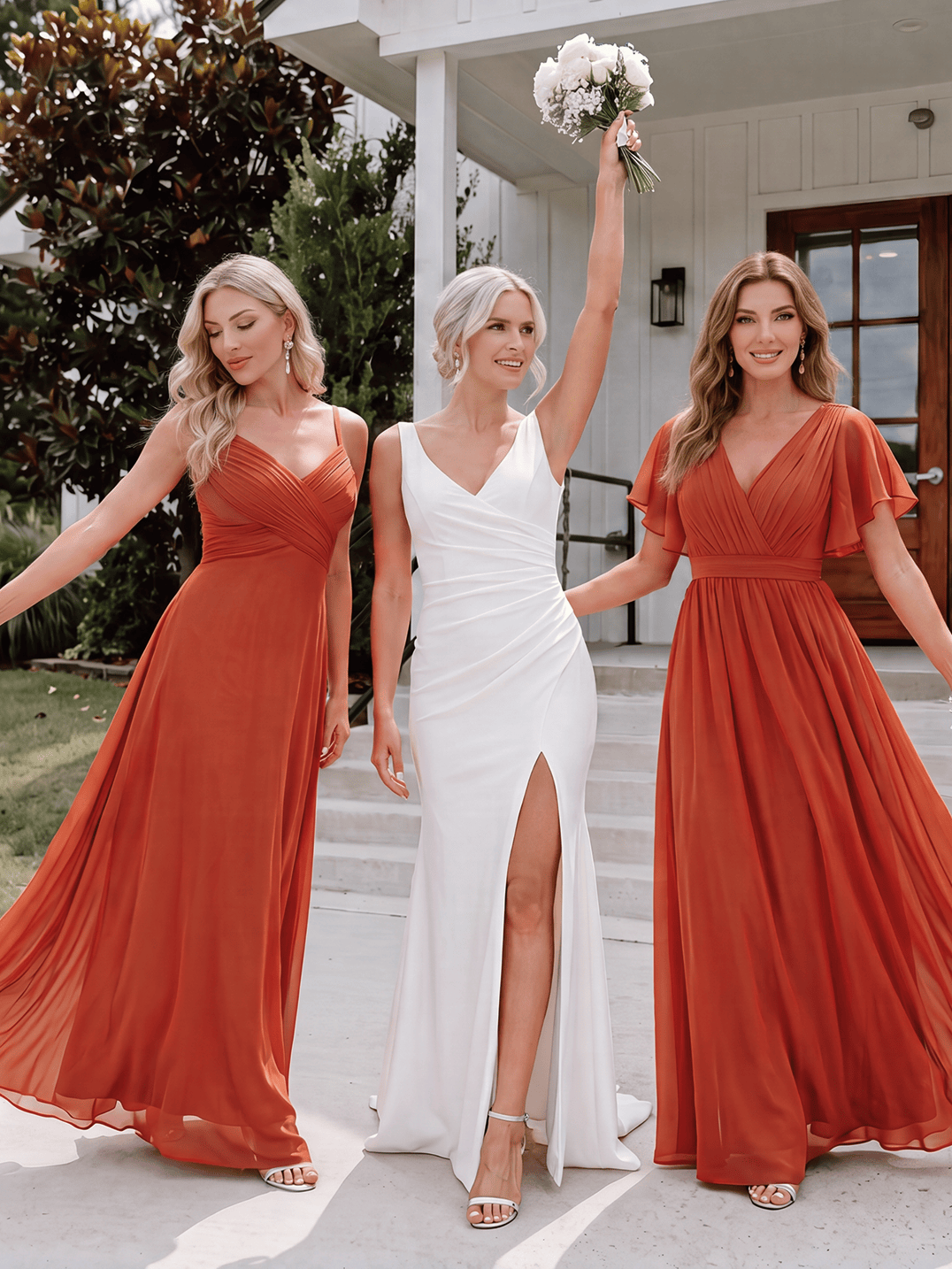
- white/ivory/cream
- very pale blush that reads white in photos
- all-over glittery champagne tones (can look bridal)
- neon (can pull focus)
- very dark daytime looks without fabric/texture (can read heavy)
One-Screen Recap
Best formula for a polished UK wedding guest dress:
midi/tea length + structured/drapey fabric + one statement detail + secure neckline + skimming fit.
Break the hem rule for black tie (go longer) or very casual registry office weddings (slightly shorter can work).
Choose the dress that passes the bend/sit/flash/photo checks and feels effortless all day.