

Plus-Size Wedding Guest Dressing: How to Look Youthful and Stylish Without the “Older” Aesthetic
To look youthful and stylish as a plus-size wedding guest, prioritise visible shape, light movement in fabric, clear colour, and modern finishing details over extra coverage.
Most outfits look “older” when they signal heaviness or over-formality (stiff fabrics, no waist definition, overly coordinated accessories).
If you’re unsure, use this quick rule: waist visible + fabric moves + colour isn’t muddy + accessories are simple.
And remember: “older” here refers to styling cues, not age — the goal is to avoid a dated occasionwear look, not to judge anyone.

Quick Do / Avoid (60-second scan)
Do: define the waist softly • choose mid-weight fabric with drape • pick a clear colour • keep accessories streamlined • take one full-length photo in daylight
Avoid (when you want a fresher look): shapeless tunics • heavy jacquard/rigid satin • muddy neutrals • tiny dark florals • matchy-matchy bag/shoes/fascinator sets
In this article:
- 1.Quick Answer — How Can a Plus-Size Wedding Guest Look Youthful and Stylish?
Quick Answer — How Can a Plus-Size Wedding Guest Look Youthful and Stylish?
The quickest way to look youthful is to look “light”: shape that’s defined (not tight), fabric that moves, and styling that feels current. In many cases, that has more impact than trying to cover arms or choosing a darker colour by default.
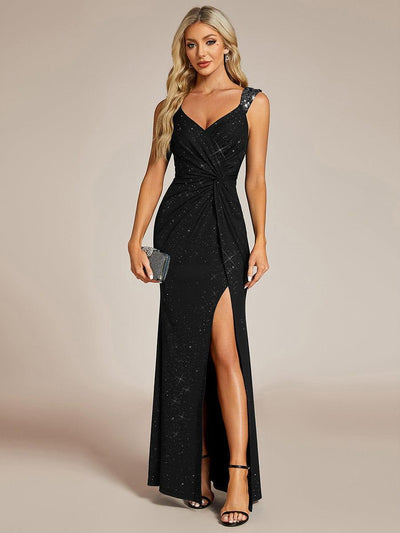
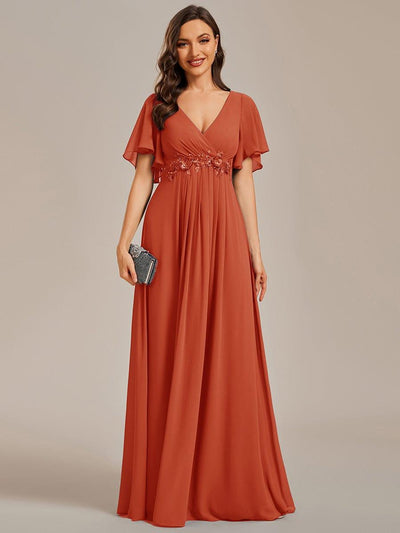
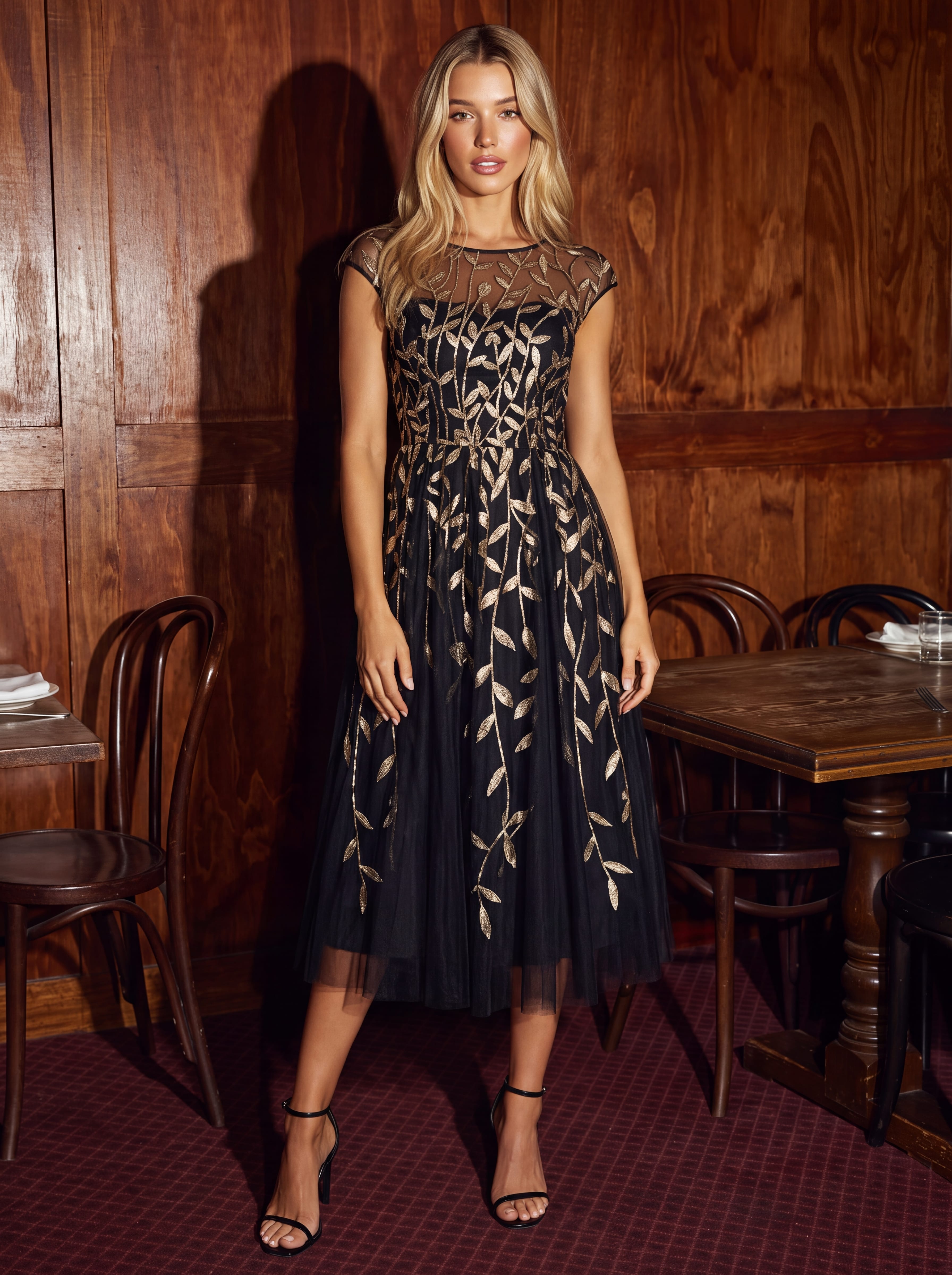
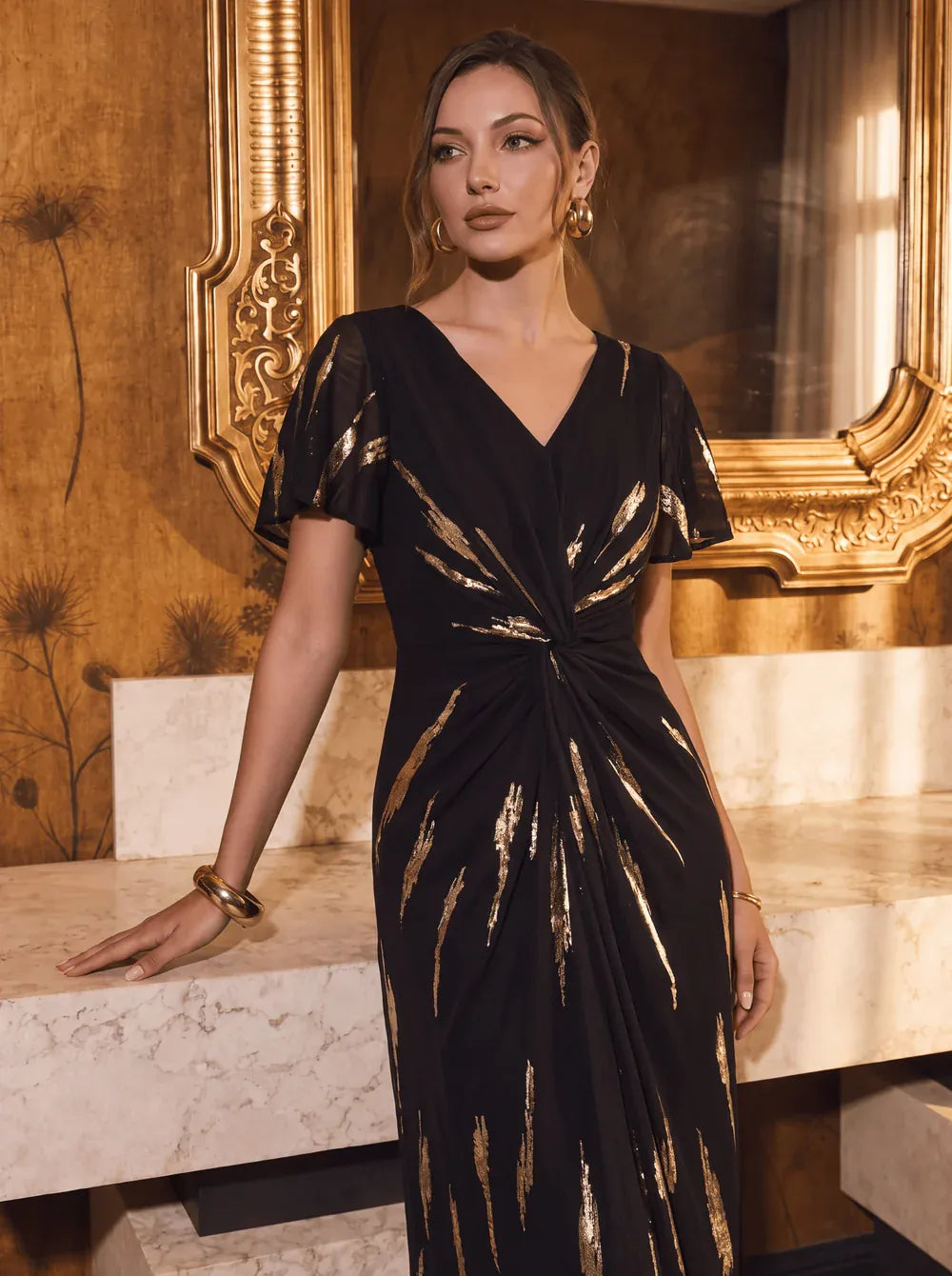
Start with silhouette. Soft structure tends to read more modern than stiff tailoring — think a midi with movement, a wrap that defines your waist, or a clean A-line. When outfits feel dated, it’s often because the cut skims everything but defines nothing.
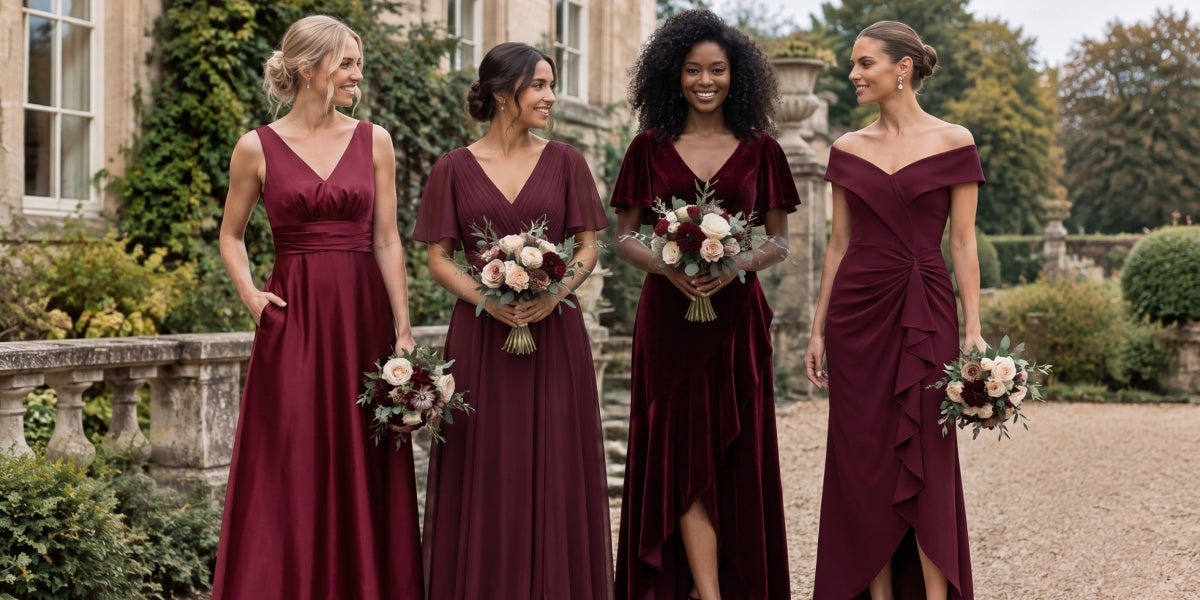
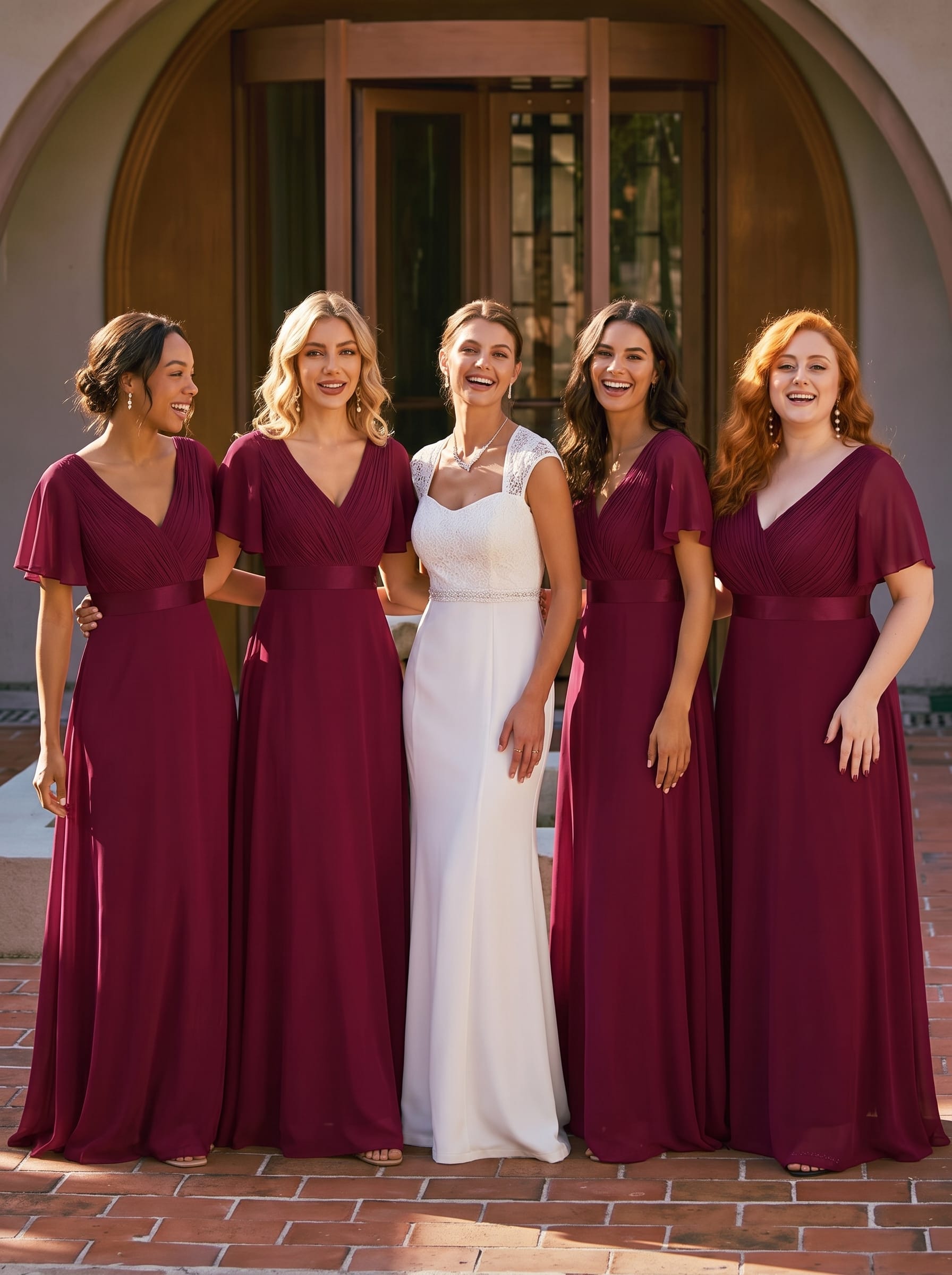
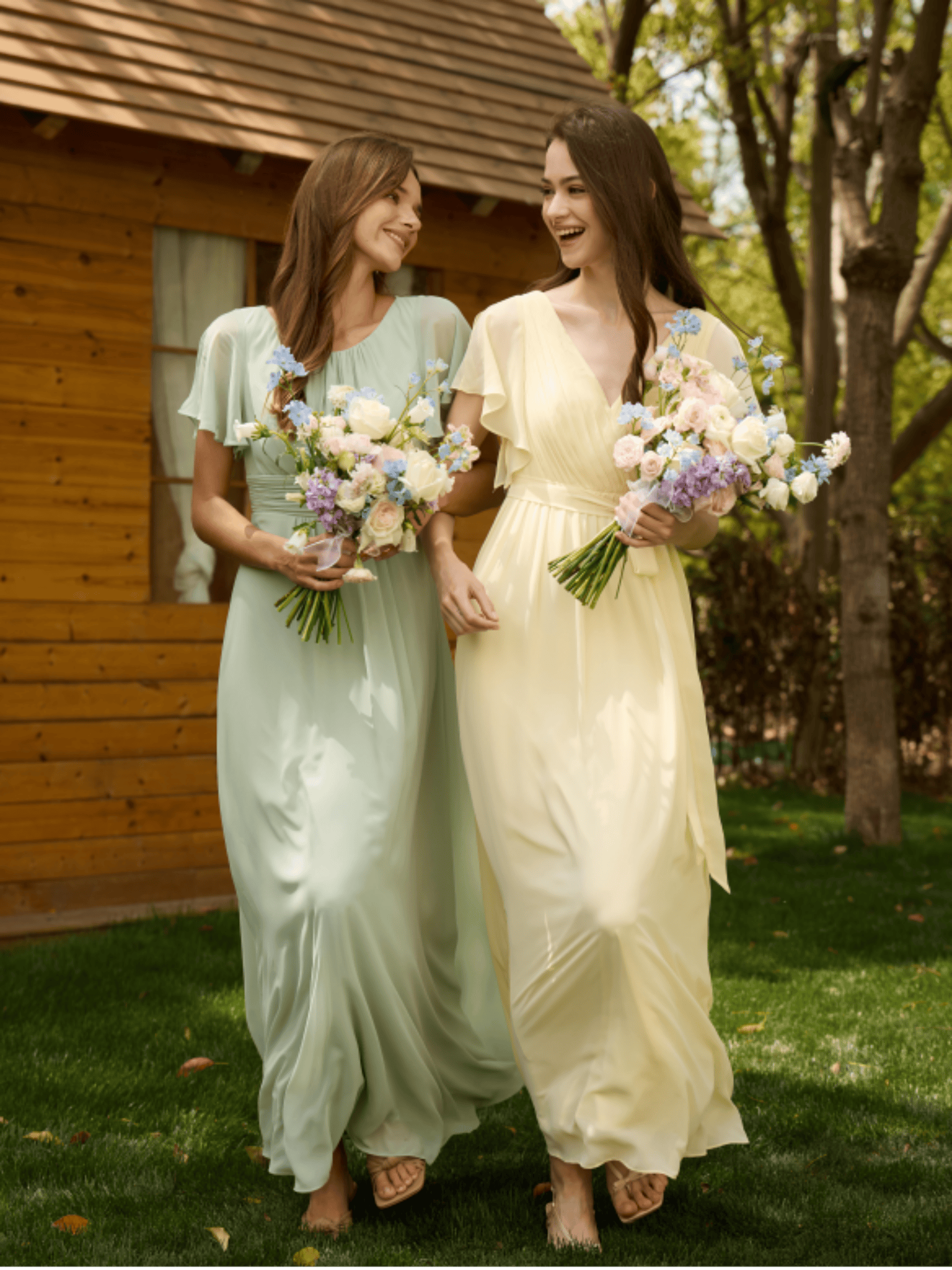
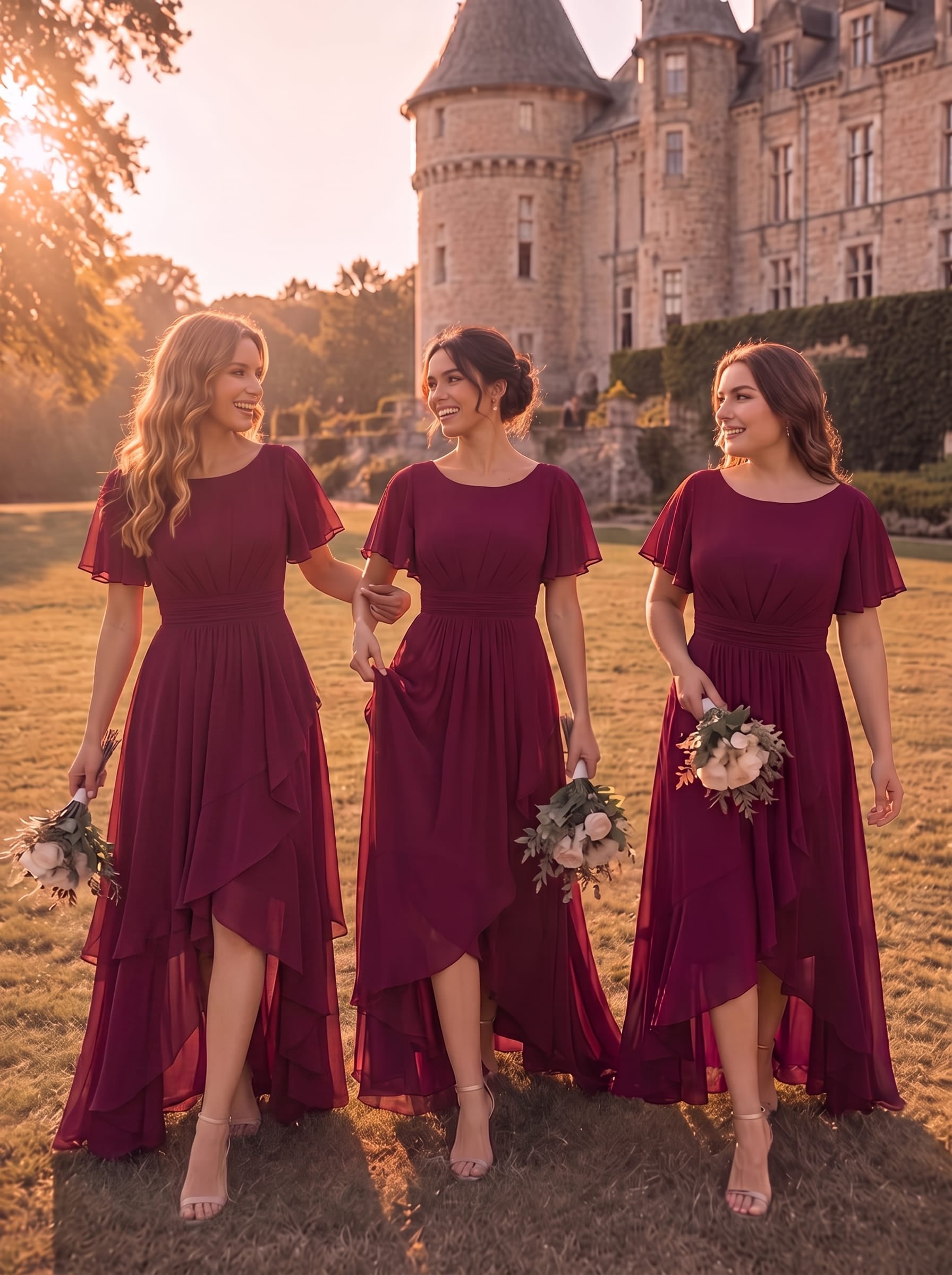
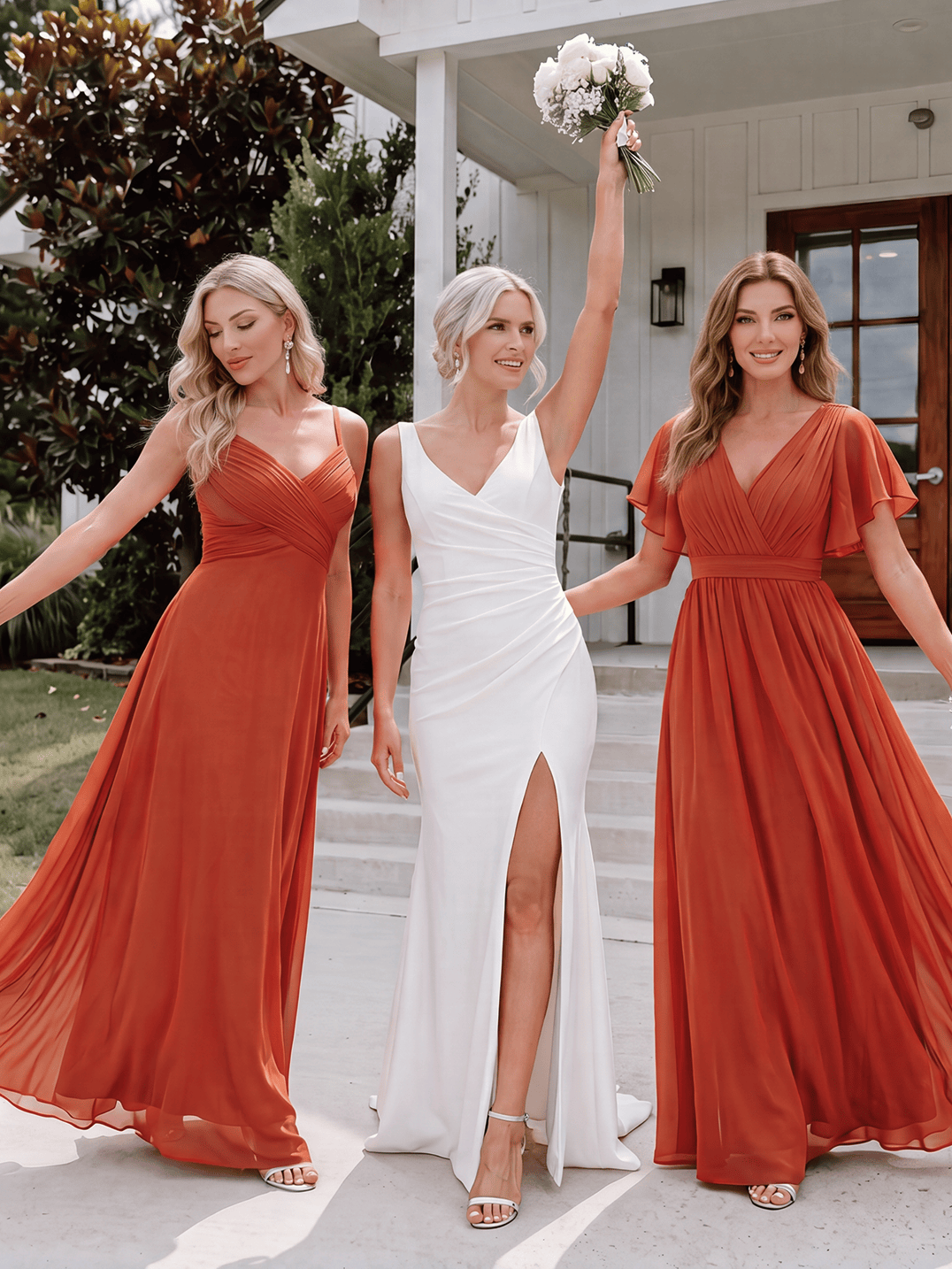
Fabric and colour matter just as much as cut. Mid-weight crepe, chiffon overlays or stretch blends usually feel lighter and more contemporary than thick polyester. Clear tones — cobalt, sage, coral, soft fuchsia, powder blue — often look fresher than beige, burgundy or muddy florals, especially in typical UK natural light.
Print should suit your scale. Larger, spaced prints tend to feel more balanced than tiny ditsy florals. Placement matters too: vertical or diagonal movement usually gives a more lifted, lengthened look in photos.
Styling finishes the look. Sleek block heels, simple jewellery, softly styled hair and natural makeup keep things fresh. If a look starts to feel “older”, it’s usually the combination of heaviness + over-coordination: thick cover-ups, oversized statement jewellery, dull matte fabrics, and very conservative shapes worn “for safety” rather than structure.
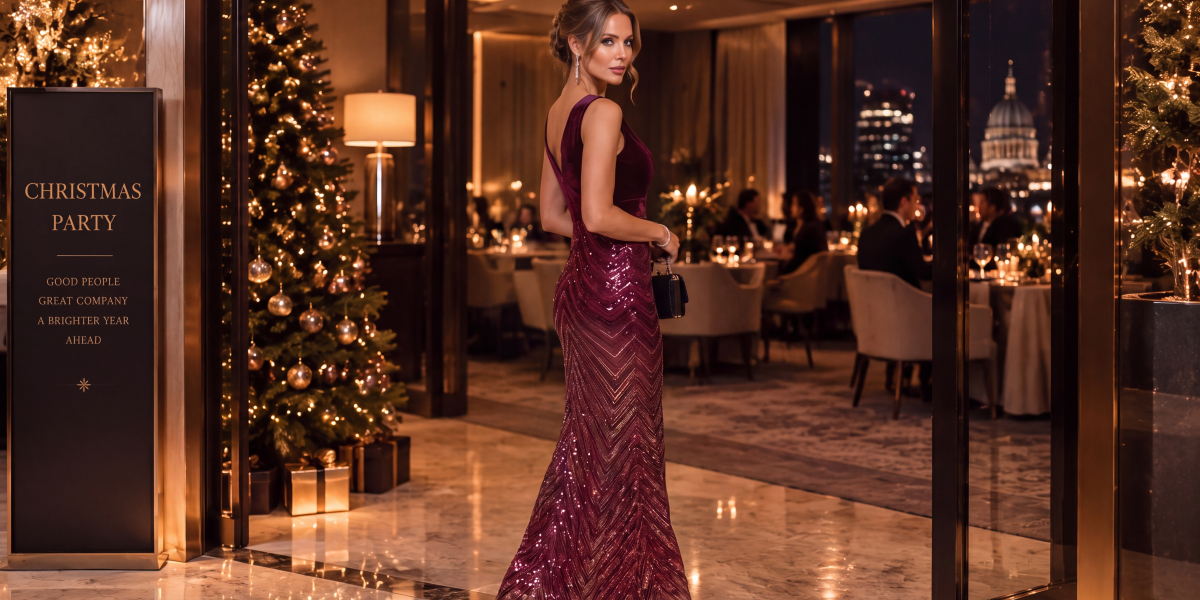
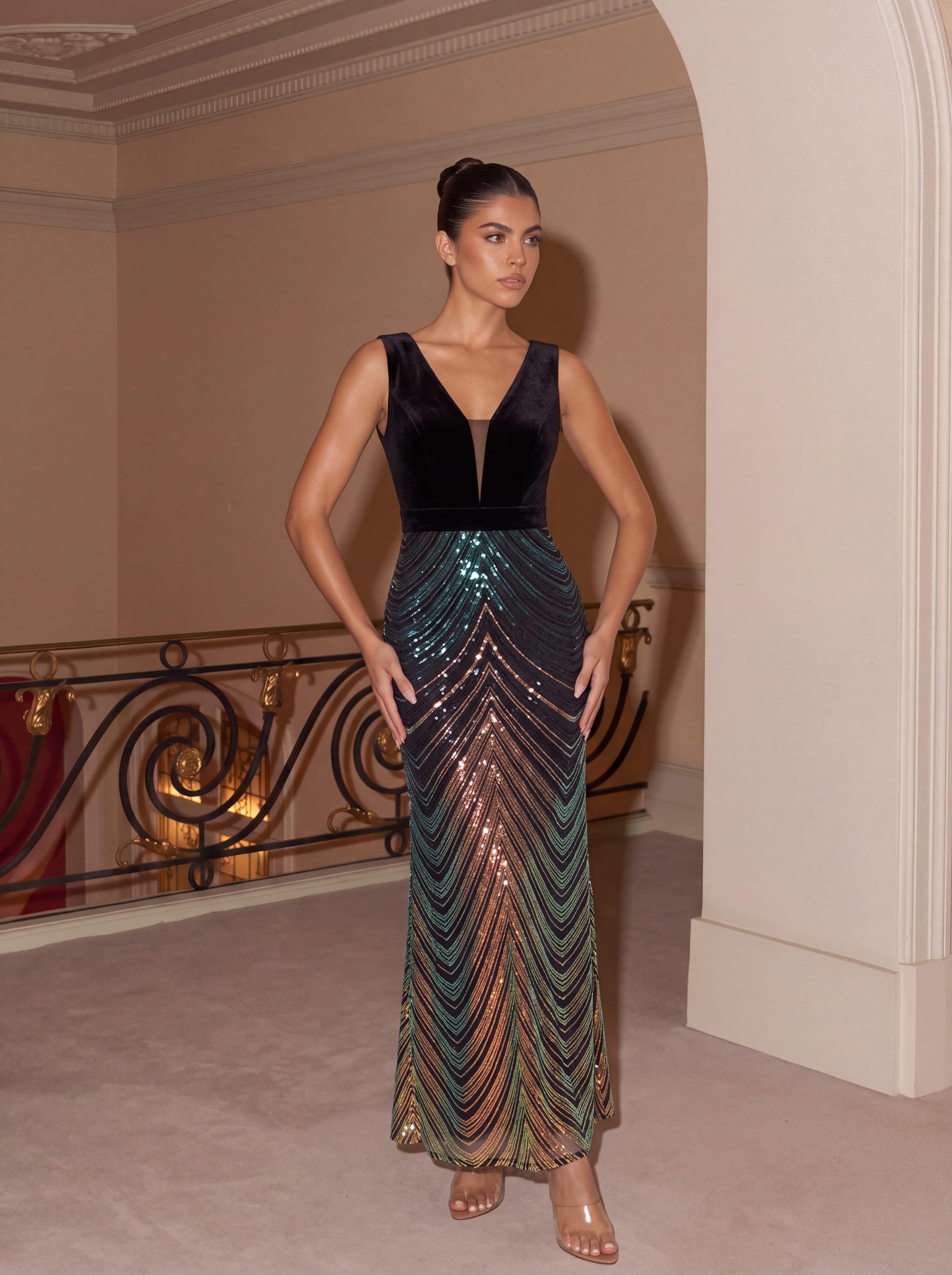
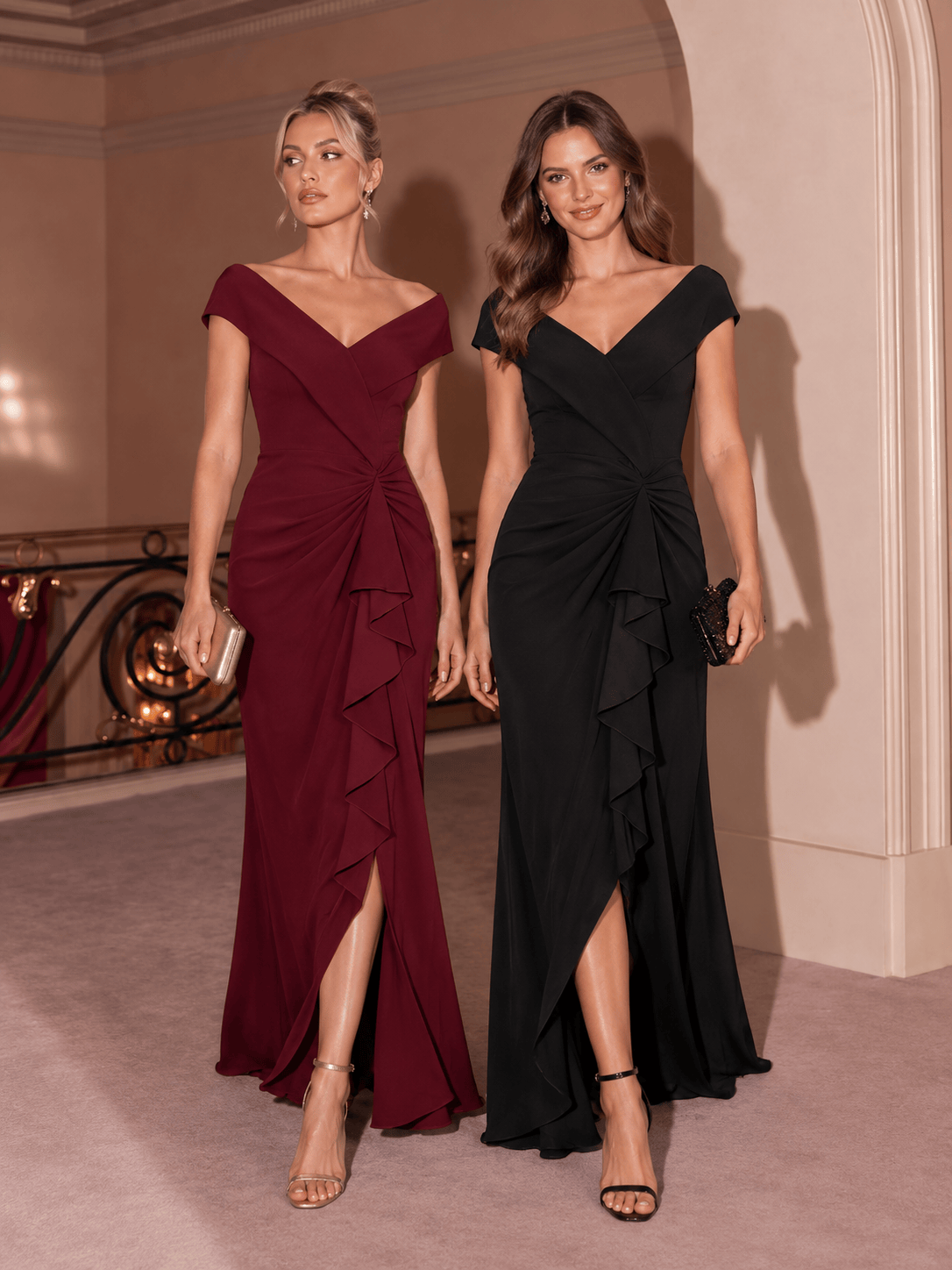
Small scene check (UK weddings): a bright midi + block heel works for most daytime weddings; for evening/black tie, the same principles apply but with cleaner fabric and sharper accessories rather than extra coverage.

Why Do Some Plus-Size Wedding Guest Outfits Look “Older”?
Most outfits look “older” because of styling signals, not because of the wearer’s age. Certain silhouettes, fabrics and coordination choices are strongly associated with traditional occasionwear — and those cues still register.
Overly Conservative Silhouettes
When the waist disappears, the outfit often reads heavier. High necklines, long shapeless tunics and drop-waist styles can flatten shape — not “wrong”, just more likely to give a traditional vibe if the fabric is also heavy.
Length plays a role too. A midi that hits mid-calf is usually flattering; a hem that lands at the widest part of the calf can look awkward on camera (especially in group photos).
Heavy or Dull Fabric Choices
Stiff or heavy fabrics are one of the quickest ways an outfit starts to feel dated. Thick jacquard, rigid satin and heavy polyester blends hold their shape too firmly; instead of skimming, they can sit on the body and add bulk.
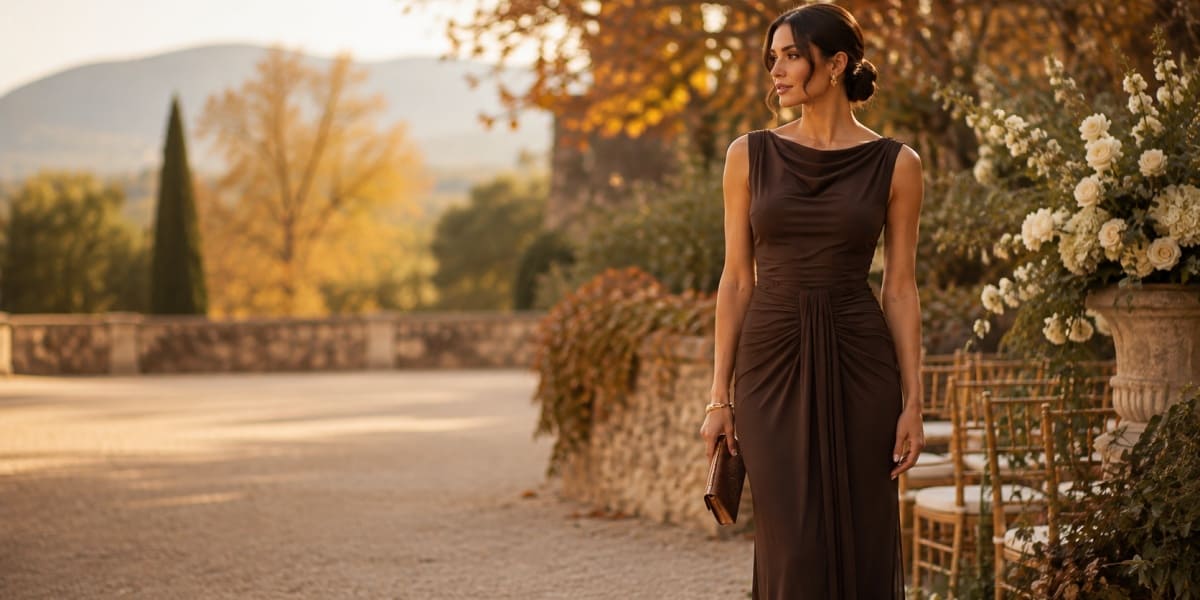
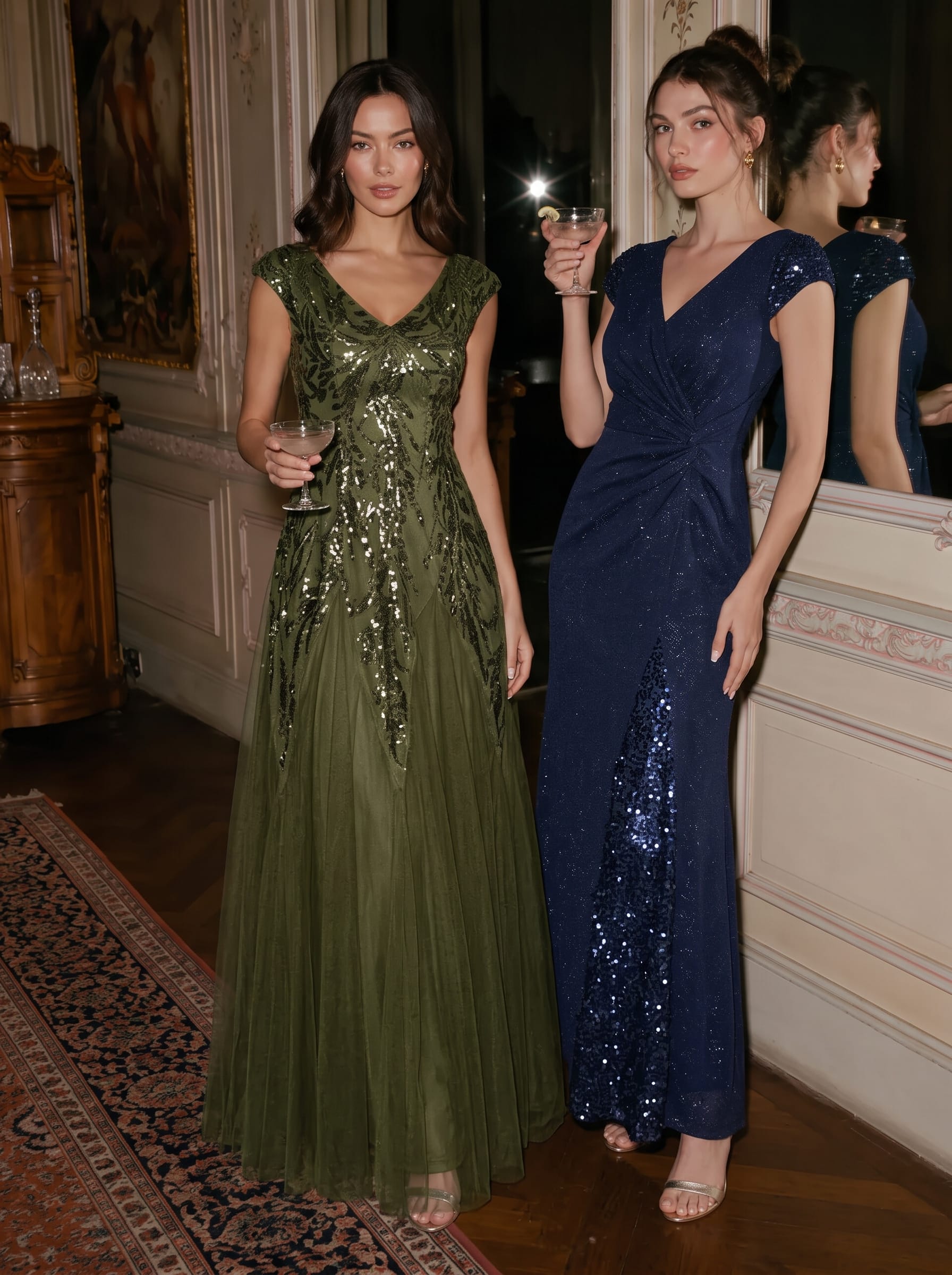
Dull finishes — matte taupe, greyed-out mauve, muddy navy — can drain the complexion in UK lighting. If you love darker tones, it often helps to choose a clear dark (ink navy, deep emerald) rather than a greyed-out one.
Outdated Prints and Colour Combinations
Some print styles commonly show up in more traditional ranges: tiny florals on dark backgrounds, or very high-contrast black-and-white patterns paired with cropped jackets. They can work, but they often need simpler styling to avoid feeling “occasionwear-y”.
Colour pairings such as plum with silver or navy with pale pink can feel a bit dated in some collections — mostly when combined with heavy fabric and matchy accessories. With modern cuts and clean styling, they’re not automatically a problem.
Over-Structured Styling That Adds Visual Age
Over-coordination is a common culprit. Matching shoes, bag and fascinator in identical shades used to be standard; now it often looks rigid.
Add stiff curls, heavier foundation and very formal patent courts, and the look can tip into “formal but ageing” — again, a style signal rather than an age signal.
Silhouette Strategies That Create a Youthful Shape
Aim for definition without squeeze. That’s the consistent thread across most “fresh” wedding guest looks.
Defined Waist Without Over-Tightening
A visible waist is key. A waist seam, wrap tie or subtle belt creates structure — it doesn’t need to be tight, just clearly placed.
Empire lines can work if the fabric falls smoothly from the bust. Very high empire cuts, however, can create a maternity effect, especially in clingier fabrics.
Structured but Fluid Midi Dresses
Midi length is generally a safe, current choice for UK weddings. Look for dresses that hold shape through the bodice but move through the skirt.
A slight flare from the waist usually balances proportions. Too much volume can overwhelm; too little can cling.
Modern Wrap, Fit-and-Flare, and Soft A-Line Options
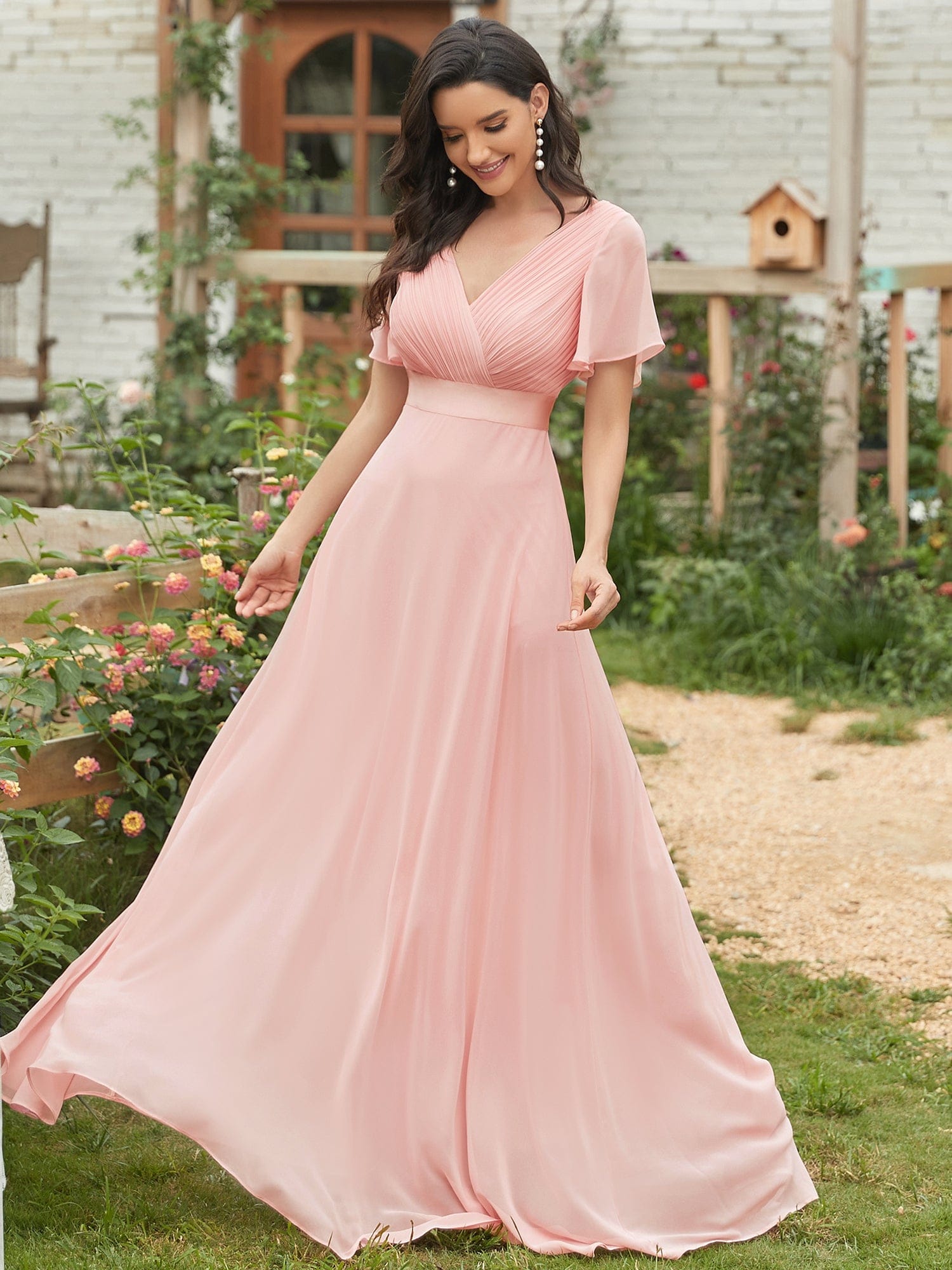
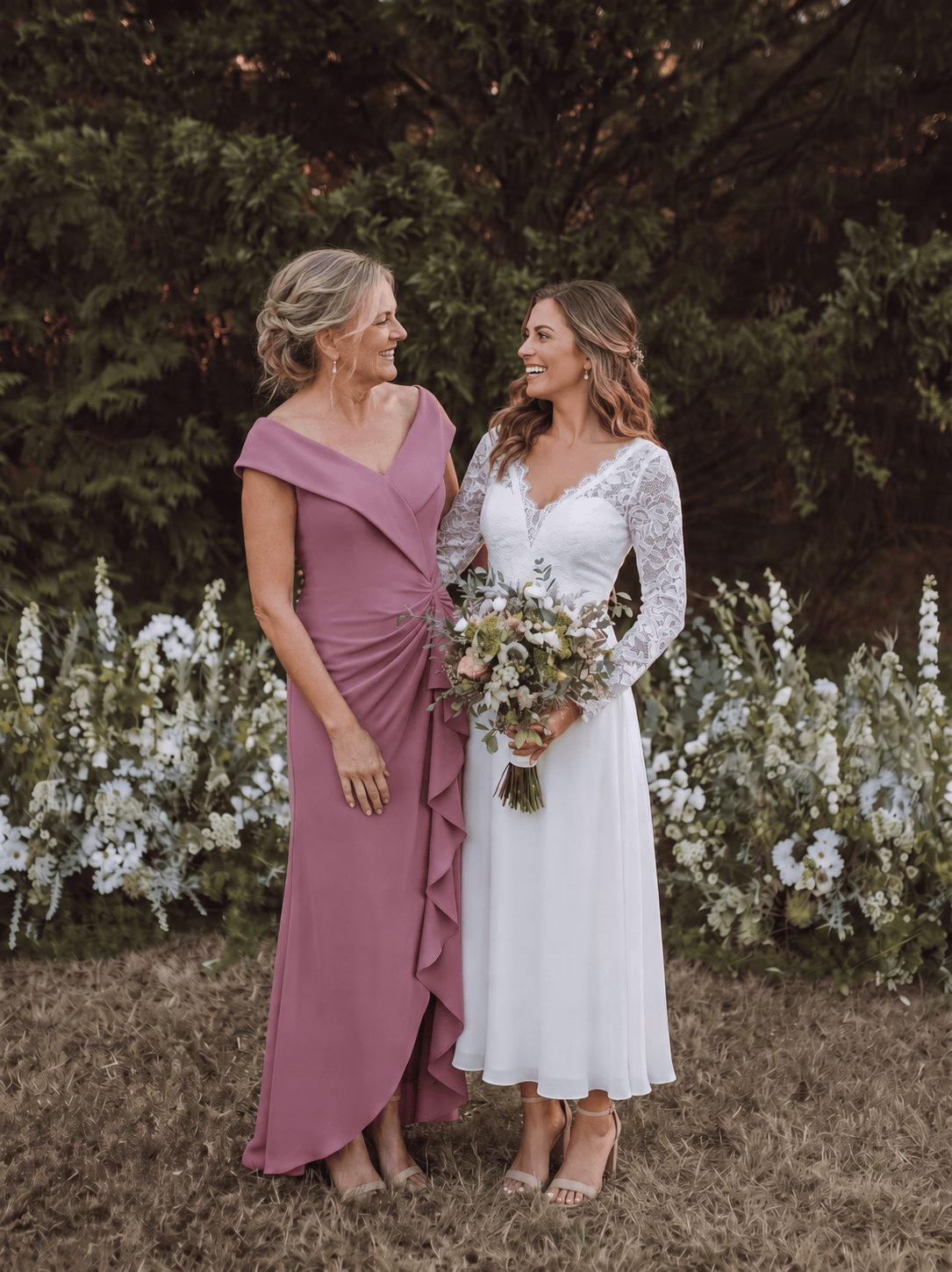
Wrap dresses stay reliable because they adjust to your proportions and highlight curves naturally.
Fit-and-flare styles look freshest when the flare begins at the natural waist. Soft A-lines are forgiving without looking boxy, especially when the fabric has drape.

When to Choose Sleeves — and What Sleeve Styles Look Contemporary
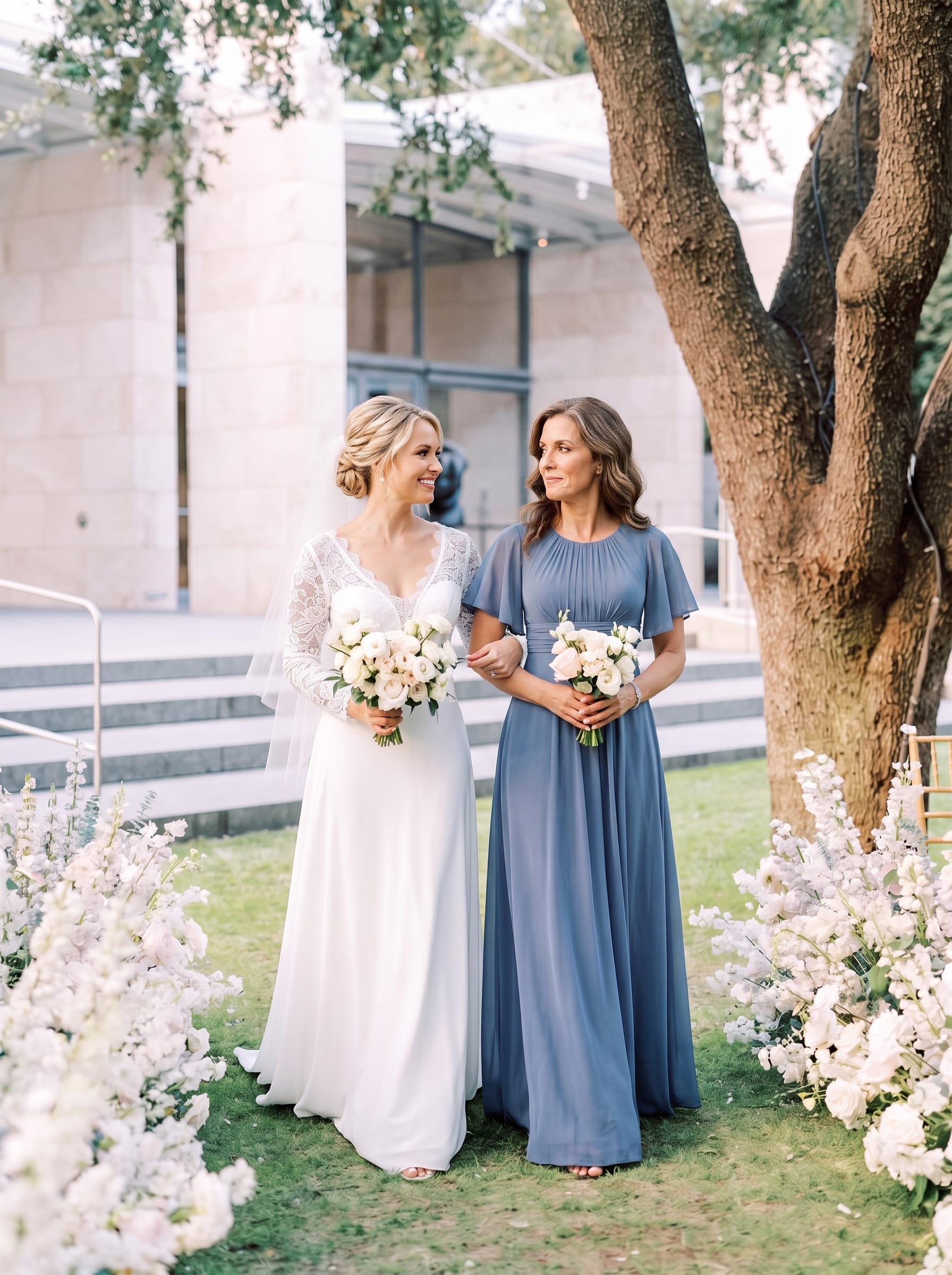
Sleeves aren’t ageing; dated sleeve styling can be. Sheer sleeves, soft flutter sleeves and structured elbow-length shapes tend to feel modern.
Very tight lace sleeves or heavy three-quarter sleeves in thick fabric can skew traditional unless the rest of the dress is clean and minimal.
Trouser Suits and Jumpsuits as Modern Alternatives
A structured jumpsuit with a defined waist and wide-leg cut often looks sharper than many dresses.
Soft tailoring in a bright or pastel tone also feels modern. A sage green suit with a silk camisole usually reads fresher than black tailoring styled with heavy statement jewellery.
Venue anchor: for a church wedding, sleeve-friendly cuts and midis are often the easiest “respectful but modern” route; for garden/registry office, you can go lighter on structure and more playful with colour.
Colour and Print Choices That Brighten (Without Looking Juvenile)
Youthful colour choices are usually clear and intentional, not loud for the sake of it.
Modern UK Wedding-Appropriate Colour Palettes
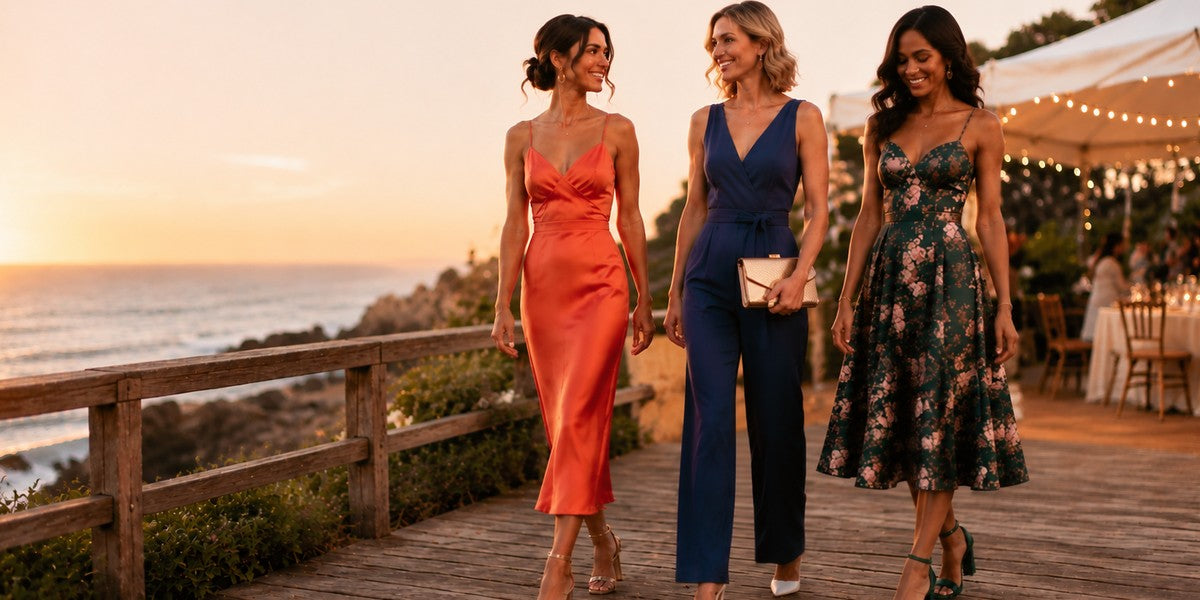
Colours that consistently look fresh in UK wedding settings include:
- Cobalt or cornflower blue
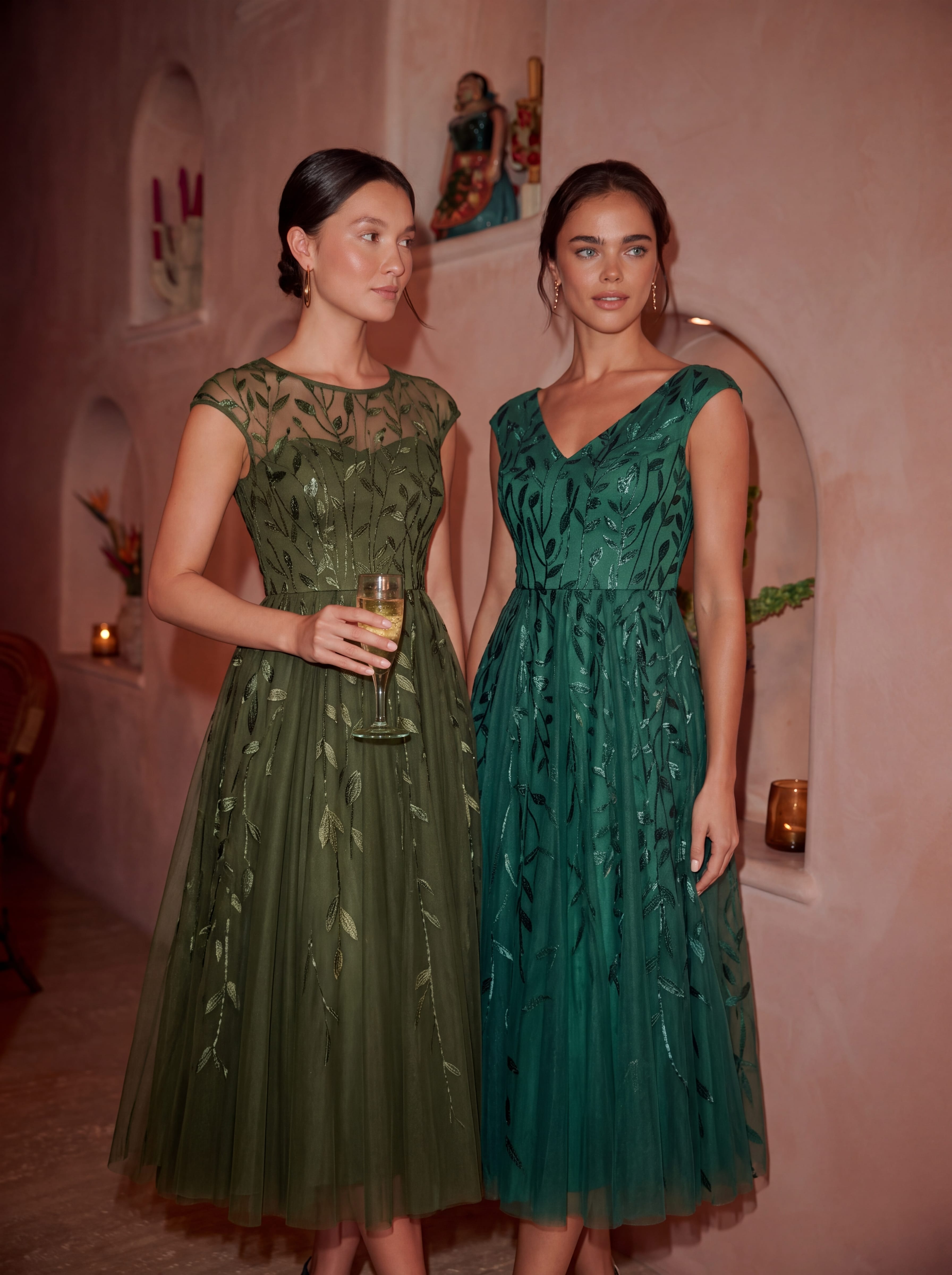
- Emerald or sage
- Raspberry or soft fuchsia
- Powder blue
- Warm coral
These tones photograph well in natural light and tend to flatter a wide range of skin tones.
How to Use Bright Colours Without Looking Overdone
The simplest rule: choose one strong colour and simplify everything else. If your dress is bright pink, neutral shoes and understated jewellery keep it modern.
Head-to-toe brightness plus bold accessories can feel “a lot”. Contrast and restraint often look cleaner than full coordination.
Print Scale for Plus-Size Proportions
Larger-scale prints often look more balanced on a fuller frame. Tiny, tightly packed florals can appear busy.
Spacing matters. Prints with visible background space — especially lighter backgrounds — generally feel fresher.
Strategic Placement of Florals and Patterns
Vertical elements elongate. Diagonal wrap-style prints visually slim the midsection.
If you’re conscious of tummy or hips, avoid bold motifs placed directly across those areas. Flowing, continuous prints are typically more flattering than abrupt blocks.

Fabric Matters: Materials That Move Instead of Add Bulk
If you only check one thing online, check the fabric. It’s often the difference between “fresh” and “heavy”.
Lightweight Structured Fabrics
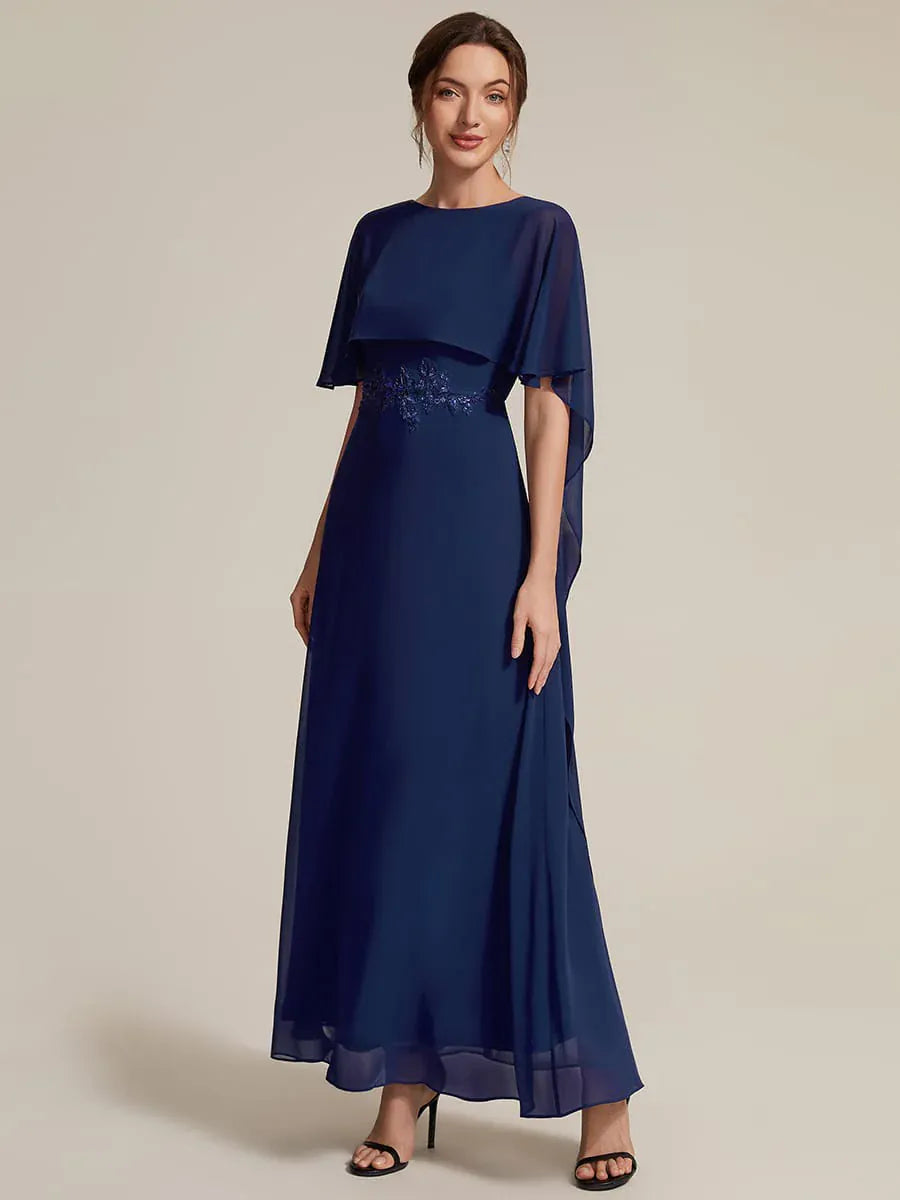
Mid-weight crepe, chiffon overlays and soft satin blends hold shape without stiffness. They skim rather than grip, which creates that lighter feel.
Stretch Crepe vs. Stiff Polyester
Stretch crepe usually adapts to curves and smooths the silhouette. Stiff polyester can crease and sit awkwardly.
Checking composition helps. Even a small percentage of elastane can improve fit and comfort.
Avoiding Cling Without Adding Volume
Extremely thin jersey can cling; extremely thick fabric can add bulk. Mid-weight fabric with drape is usually safest for long wedding days.
Breathability for UK Seasonal Weddings
UK weddings can swing from sunny to chilly quickly. Layer-friendly fabrics make styling easier.
In summer, breathable lining helps. In cooler months, a tailored blazer often looks sharper than a heavy shawl.
Season anchor: in winter weddings, you can keep the look modern by choosing a clean coat or tailored blazer rather than adding bulky cover-ups over the dress.

Styling Details That Instantly Modernise the Look
Small choices often decide whether the outfit looks current.
Contemporary Footwear Choices (Block Heels, Sleek Sandals, Minimal Courts)
Block heels and clean-lined sandals look modern and practical.
Classic courts are fine, but very rounded toes or high-shine patent can skew traditional unless the dress is minimalist.
Accessories That Add Polish Without Aging the Outfit
Streamlined accessories generally look fresher than ornate ones. One focal piece — statement earrings or a bracelet — is often enough.
Structured clutches or small shoulder bags feel more contemporary than oversized embellished handbags.
Hair and Makeup Direction for a Fresh Finish
Soft waves, a low bun or a sleek ponytail read modern. Very set curls plus heavier foundation can look overly formal in daylight.
A lighter base and natural tones tend to photograph better (and hold up longer).
The Role of Tailoring in Elevating Budget Dresses
Fit often matters more than price. A simple £60 dress can look far more expensive when it fits properly.
Minor alterations — straps, hem, waist refinement — can noticeably sharpen the silhouette.

Budget-Smart Decision Guide for First-Time Buyers
If it’s your first wedding guest buy, prioritise fit and rewear potential.
How to Evaluate Fit Online (Measurements, Reviews, Fabric Notes)
Don’t rely on your usual size. Compare your measurements to the brand’s chart.
Look for reviews mentioning stretch, fabric thickness and waist placement. Customer photos are often more realistic than studio shots.
Choosing Versatile Pieces You Can Rewear
A versatile midi in a strong but wearable colour can work for:
- Other weddings
- The races
- Formal dinners
- Summer parties
Highly specific prints or novelty details are harder to reuse.
When to Invest Slightly More — and When Not To
Spend more on cut and fabric quality. Save on trend embellishments.
If the silhouette fits beautifully and the fabric drapes well, paying slightly more is often justified.
Return Policies and Fit Insurance Tips
Check the return window and any fees before ordering multiple sizes.
Order early enough to allow exchanges — wedding shopping gets stressful fast when you’re racing the delivery clock.
Quick Self-Check: Does This Outfit Look Youthful or “Older”?
A short evaluation before committing can prevent regret.
5-Point Visual Checklist Before Purchasing
Ask yourself:
- Is my waist clearly defined?
- Does the fabric move when I walk?
- Is the colour clear rather than muddy?
- Are accessories simple and modern?
- Would I realistically wear this beyond one wedding?
If most answers are yes, the outfit will usually read as youthful and contemporary.
Mirror Test vs. Photo Test
Mirrors can soften proportions. Photos are more objective.
Take a full-length photo in natural light. If the outfit looks stiff, bulky or overly dark in pictures, it will likely look the same in wedding photos.
Common Warning Signs to Reconsider
Typical signs the look may skew traditional:
- Adding a thick bolero “just in case”
- Very dark base with tiny floral print
- No visible waist definition
- Overly matching accessories
Small adjustments — changing shoes, removing a layer, redefining the waist — often fix it.
Final Takeaway — The Formula for Youthful, Stylish Plus-Size Wedding Guest Dressing
The formula stays the same, regardless of size: defined shape, clear colour, fabric movement, modern finishing touches.
Shape should be visible but not tight. Colour should brighten rather than mute. Fabric should skim and move rather than cling or stand rigid. Accessories and grooming should feel current, not overly coordinated.
For price-conscious shoppers, the most reliable approach is choosing a well-cut, versatile piece that fits properly — then refining it with thoughtful, minimal styling. That combination looks confident, appropriate for a UK wedding, and avoids the dated occasionwear signals many people want to sidestep.