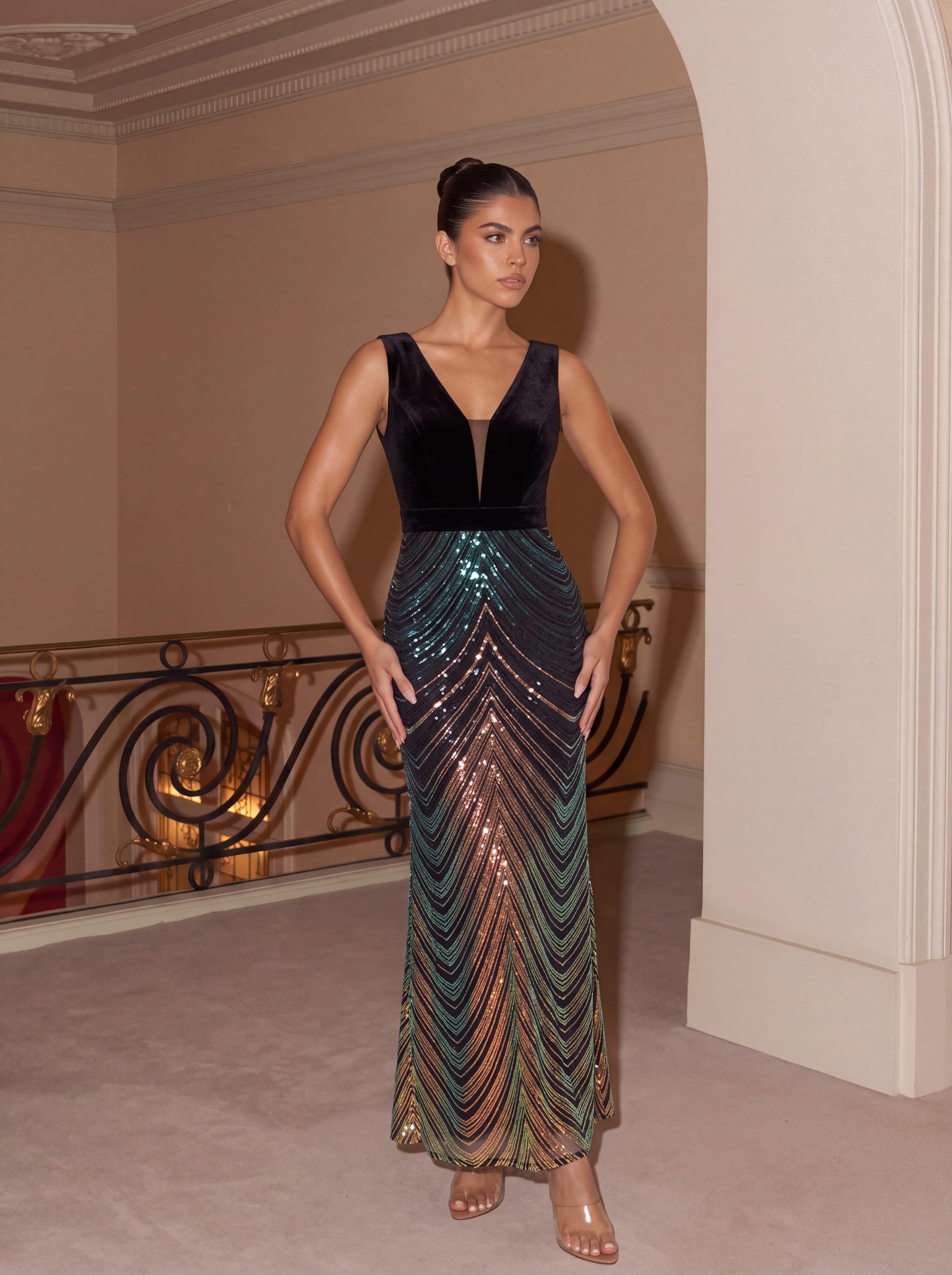
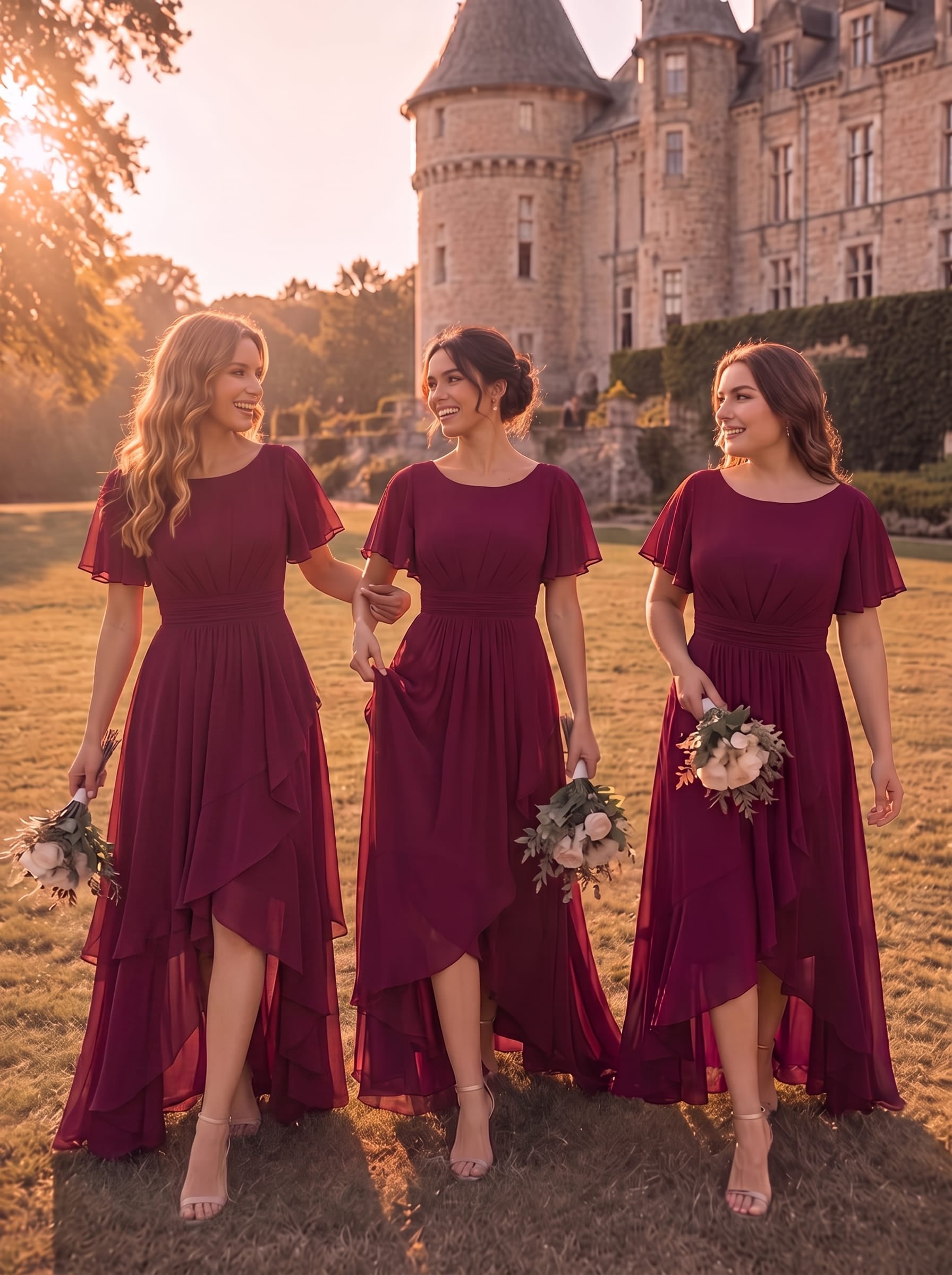
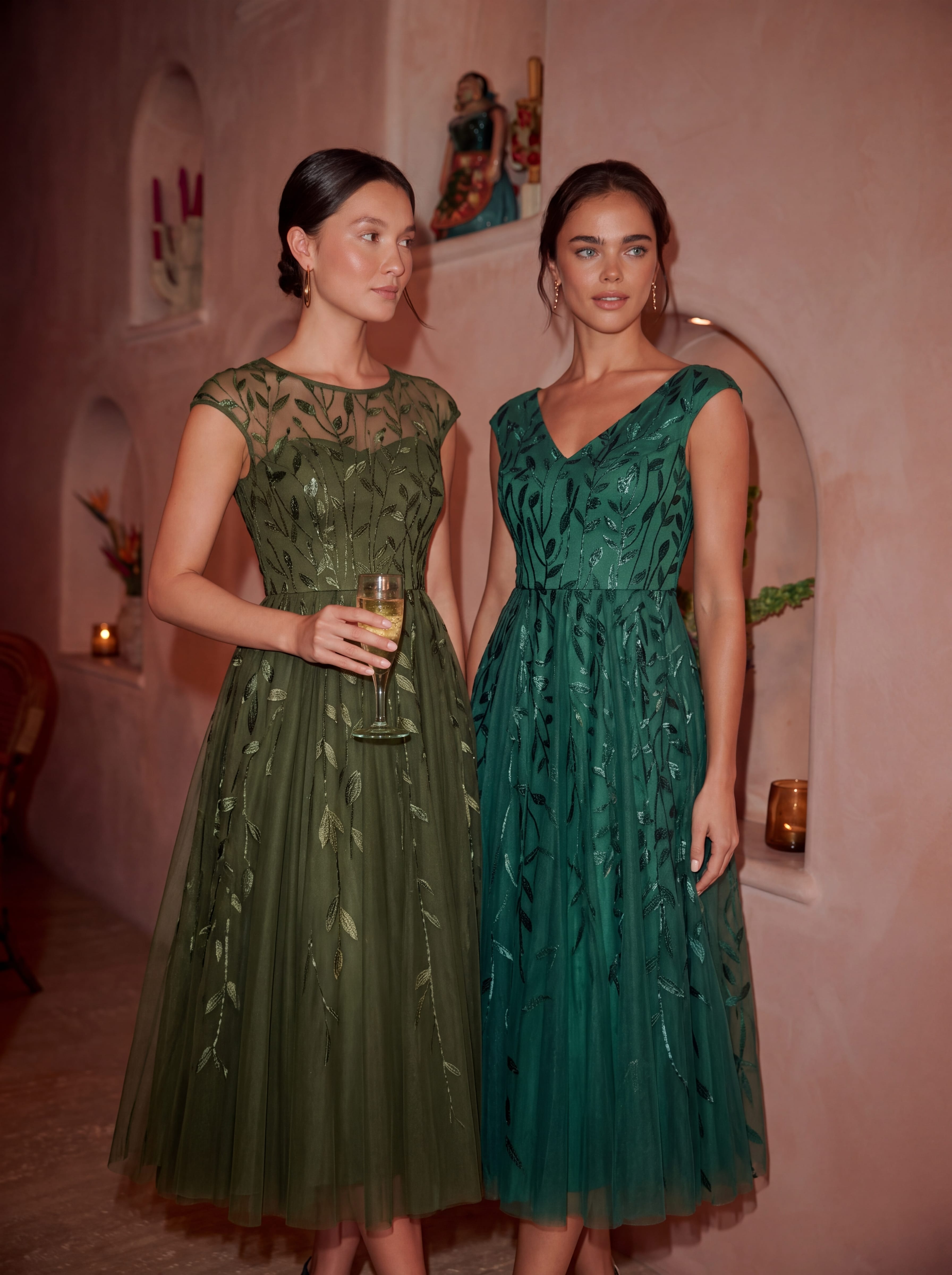
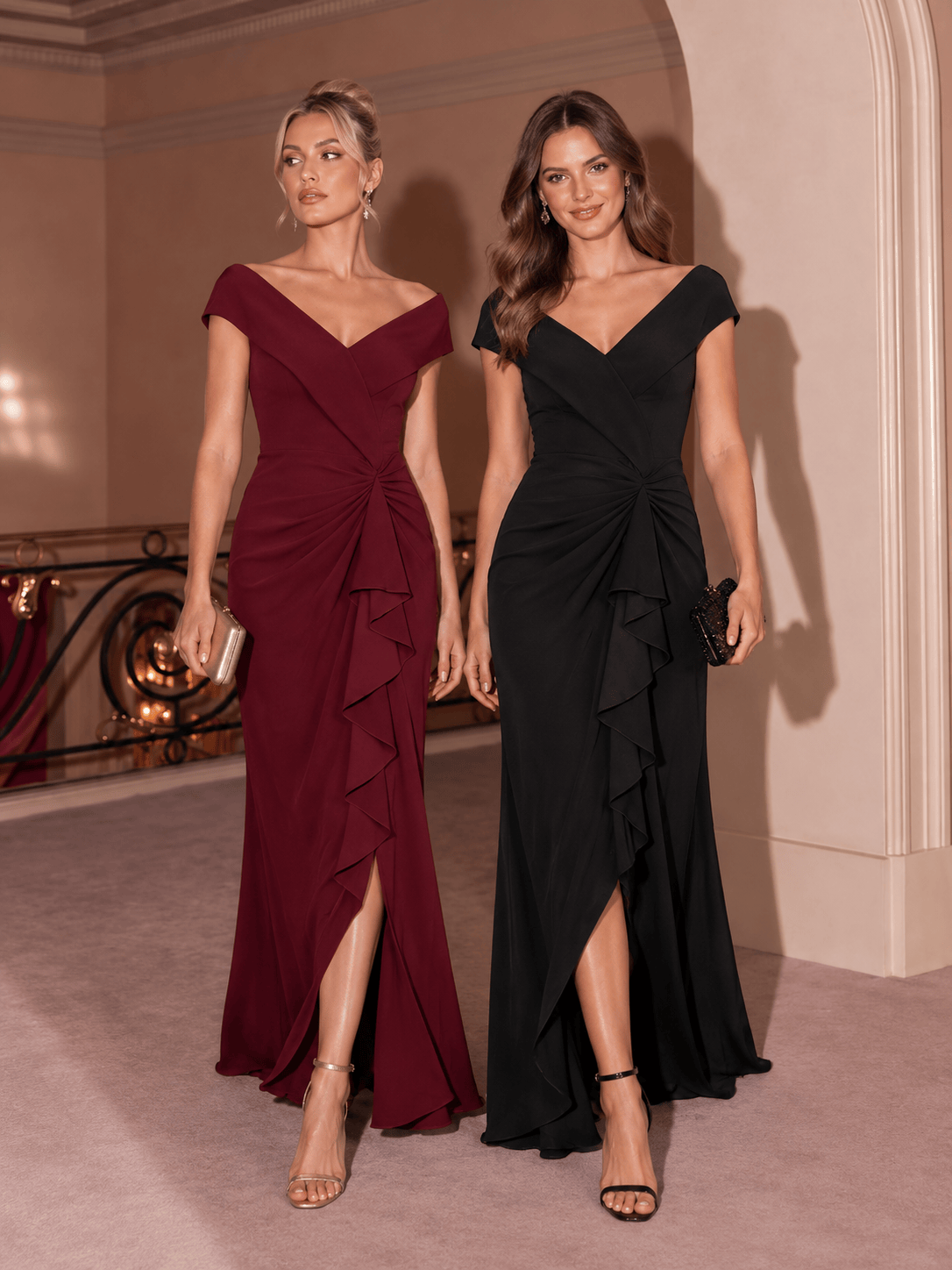


How to Choose an Affordable and Good-Quality Bridesmaid Dress
If you’re trying to choose an affordable but good-quality bridesmaid dress, the safest approach is: set a realistic UK budget (often £40–£120), pick a fabric that drapes well (usually matte > shiny), and buy only if it passes a quick quality check (opaque/lined, strong seams, smooth zip).
As a rule of thumb, under £40 is where quality issues become much more common, unless you’re very careful about checks and returns.
(These price bands are a typical UK guide and can shift a bit by retailer, season, and what’s included.)
In this article:
- 1.Quick Answer — The 30-Second Decision Rule (Affordable + Good Quality)
Quick Answer — The 30-Second Decision Rule (Affordable + Good Quality)
A bridesmaid dress is usually a safe “affordable + good quality” pick if it’s within budget and it passes three checks: it isn’t see-through, the seams/zip feel solid, and you’d genuinely wear it again. If it fails any one of those, it’s often cheap rather than good value.
This rule won’t catch every detail, but it filters out most regret purchases quickly.
30-second checklist (quick yes/no)
- Opaque? (or properly lined)
- Seams + zip feel sturdy? (no snagging, no pulling)
- Wear-again test passes? (doesn’t feel costume-y or uncomfortable)
Define “Affordable” and “Good Quality” in the UK (So You Can Judge Yes/No)
Affordable: Typical UK price bands and what each band realistically buys
In the UK market, “affordable” for bridesmaid dresses usually means £40–£120.
Below £40, you’re often compromising on fabric weight, lining, or finishing. Some dresses look fine online but feel flimsy in person.
Between £60–£90, you usually get decent fabrics and acceptable construction, especially with simpler silhouettes.
From £90–£120, quality tends to improve noticeably — better lining, smoother zips, and fewer shortcuts in stitching.
Spending more than this doesn’t guarantee perfection, but spending less usually means checking details very carefully.
Quick takeaway
- Under £40: higher risk, inspect closely
- £60–£90: usually the best “value” zone
- £90–£120: more consistent finishing and structure
Good quality: The minimum construction standards (non-negotiables)
A “good-quality” bridesmaid dress doesn’t need luxury tailoring, but it should meet a few basics you can actually check.
It should be fully lined or at least opaque, with seams that don’t pull when you move. The zip should run smoothly without snagging, and the fabric shouldn’t feel paper-thin or overly shiny. If the dress twists when you walk or clings awkwardly, that’s usually a cut issue rather than a size issue.
If these basics aren’t there, no styling trick will fix it.
Non-negotiables (minimum standard)
- Opaque or lined
- Seams don’t strain when you sit/raise arms
- Zip runs smoothly
- Fabric doesn’t feel paper-thin or overly glossy
The simplest pass/fail test: “Would I wear it again?” check
A helpful mental shortcut: imagine wearing the dress to another wedding or formal event.
If the colour, neckline, or fabric feels too costume-like or uncomfortable, it probably wasn’t designed with real wear in mind. Dresses that feel wearable beyond one day are often better made — they’re cut to move, sit properly, and last longer than a few hours.
Step 1 — Set Your Constraints (Answer These Before You Shop)
Budget cap per person (and who pays)
Decide the maximum spend before browsing. It’s easy to drift upward when you see nicer photos.
If bridesmaids are paying themselves, a clear cap avoids awkward conversations later. If you’re covering the cost, remember that alterations, shoes, and accessories often come out of their own pockets.
A helpful rule for groups: if you can’t comfortably say the number out loud in a group chat, it’s probably not the right cap.
Wedding season + venue conditions (heat, wind, indoor/outdoor)
A summer garden wedding and a winter hotel ceremony call for very different dresses.
Hot weather needs breathable fabrics and secure necklines. Windy or outdoor venues make wrap styles and very lightweight skirts more risky. Indoors, structure and heavier fabrics are usually fine — and often look better in photos.
If X, then Y (fast decision)
- Hot + outdoors: lighter fabrics, secure straps/neckline
- Windy: avoid floaty wrap fronts and ultra-light skirts
- Mostly indoors: more structure is fine (and often photographs better)
Rewear potential (formal level + colour usability)
Highly specific colours or very formal styles limit rewear.
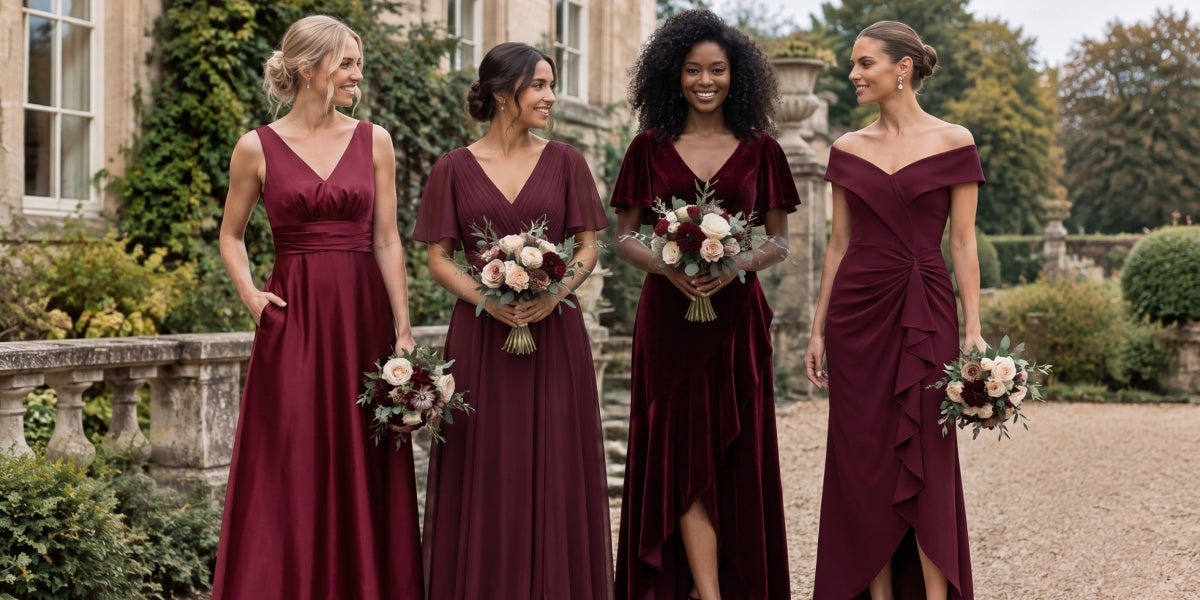
Neutral tones, muted pastels, and classic silhouettes are easier to wear again. If rewear matters to your group, that should influence both colour and fabric choice early on.

Step 2 — Pick Fabrics That Don’t Look Cheap at Lower Prices
Best-value fabrics for a polished look (and why they work)
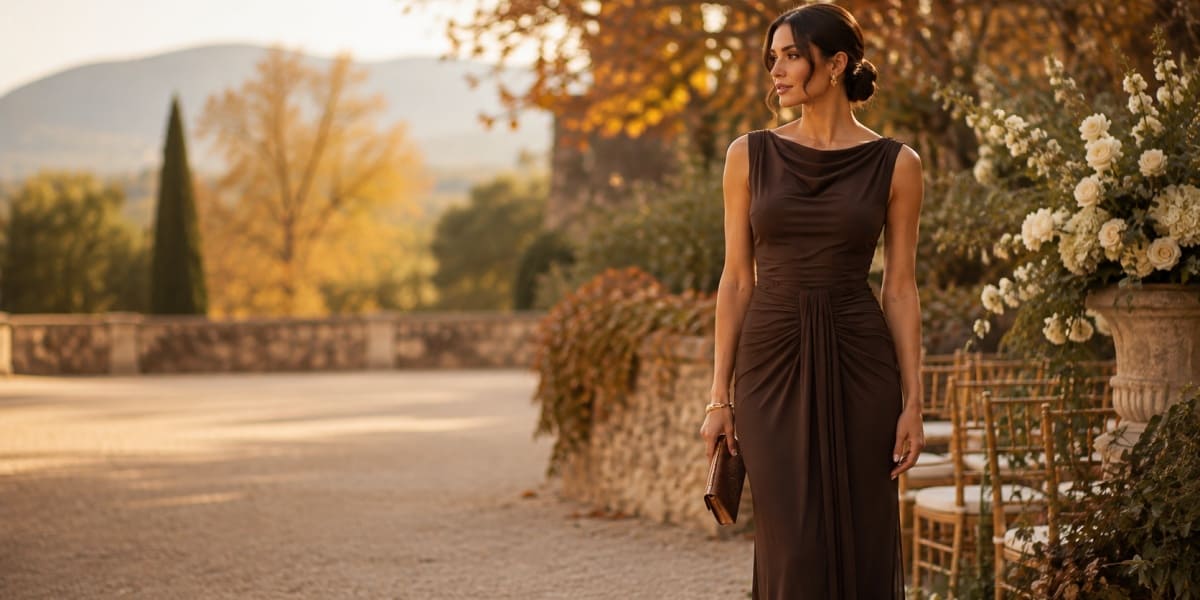
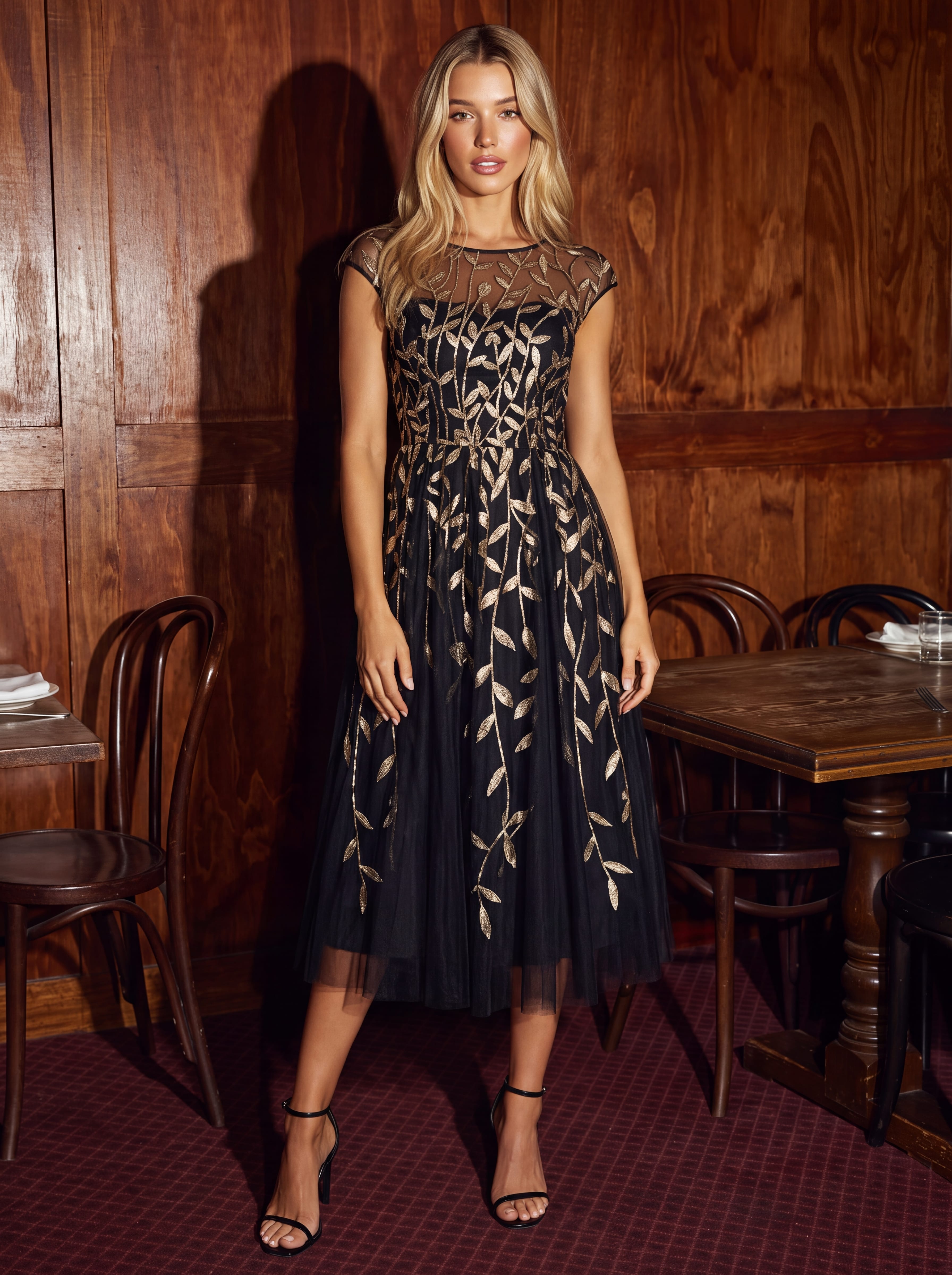
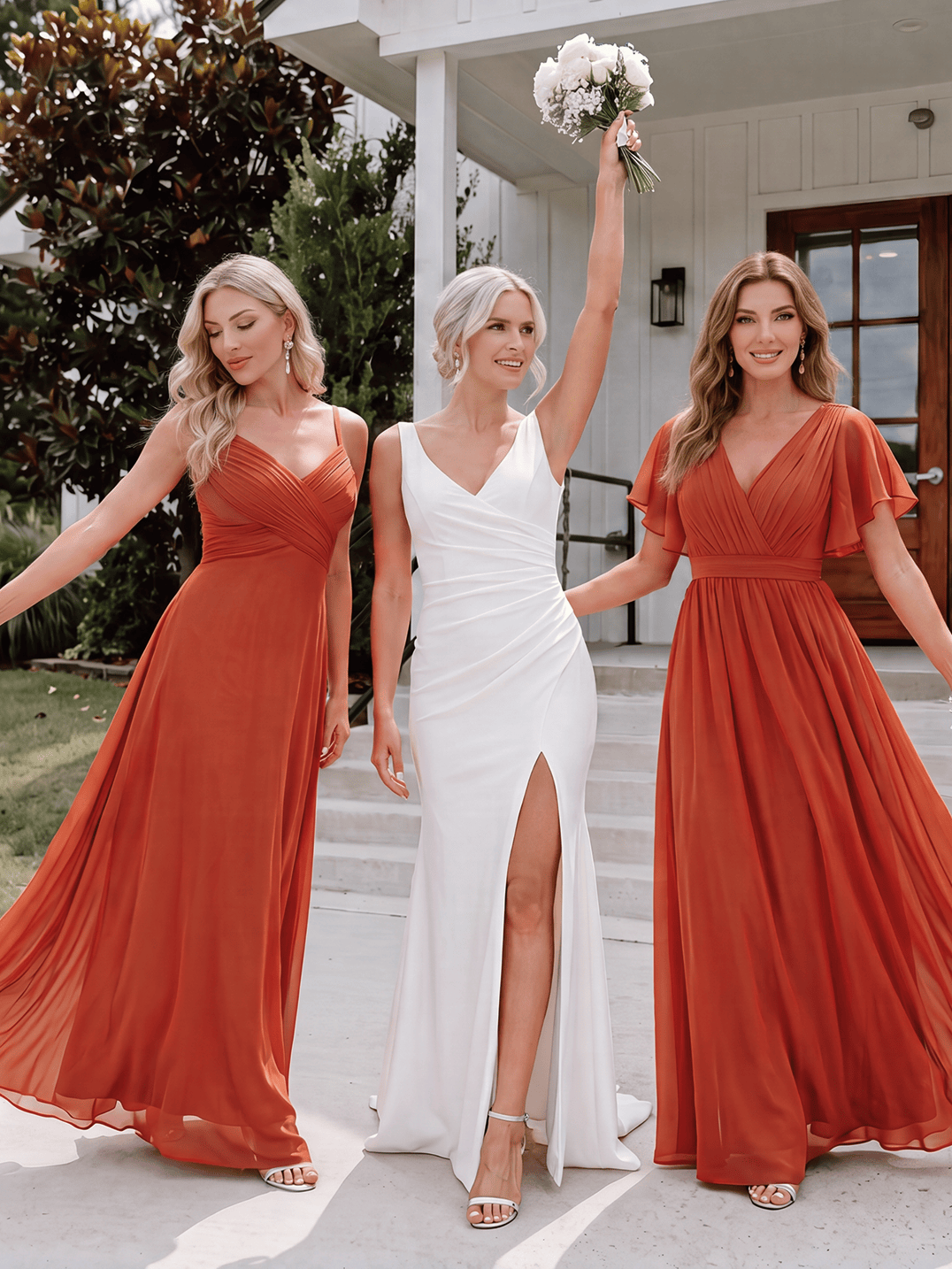
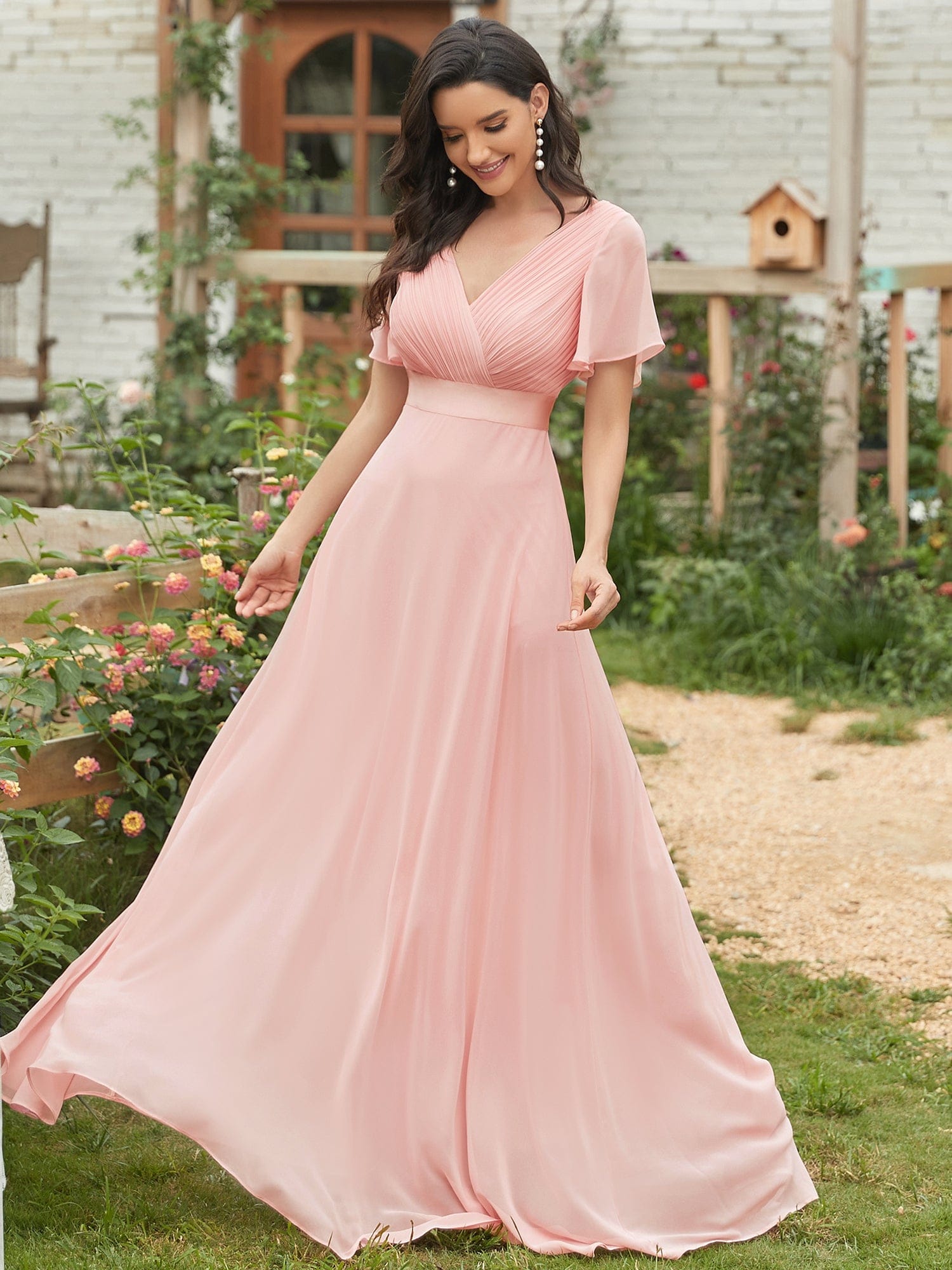
Chiffon (with lining), matte satin, soft crepe, and lightweight georgette tend to drape well and photograph nicely without looking shiny. They’re forgiving of simpler construction and hide minor imperfections.
They also move naturally, which helps a dress read as “polished” even if it’s not expensive.
Fabrics that commonly look “budget” on camera (and when they’re OK)
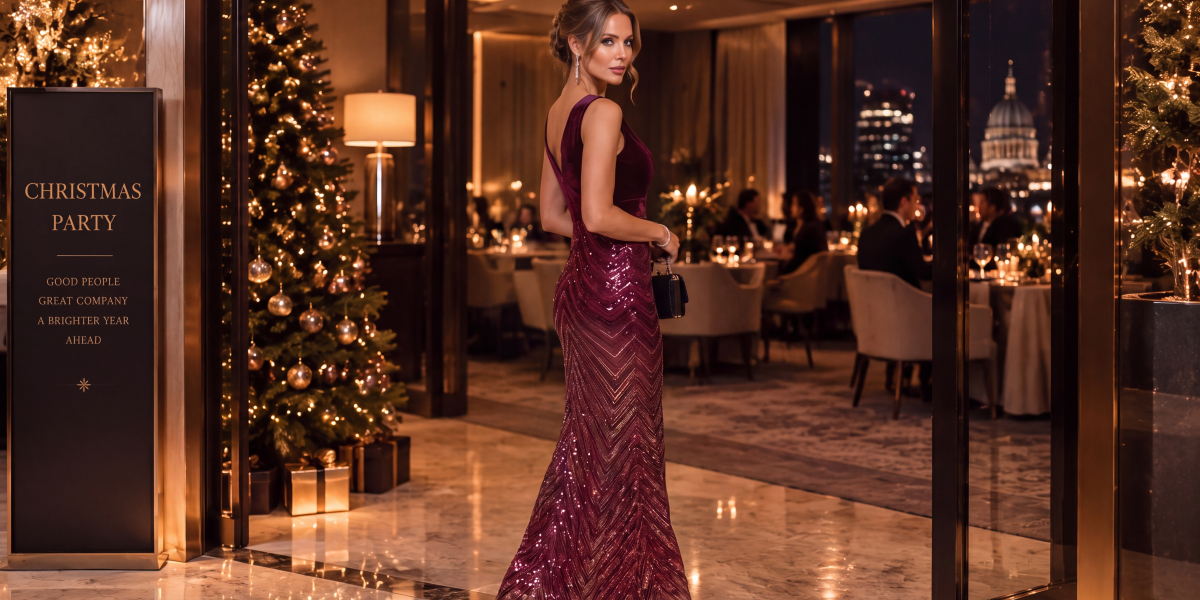
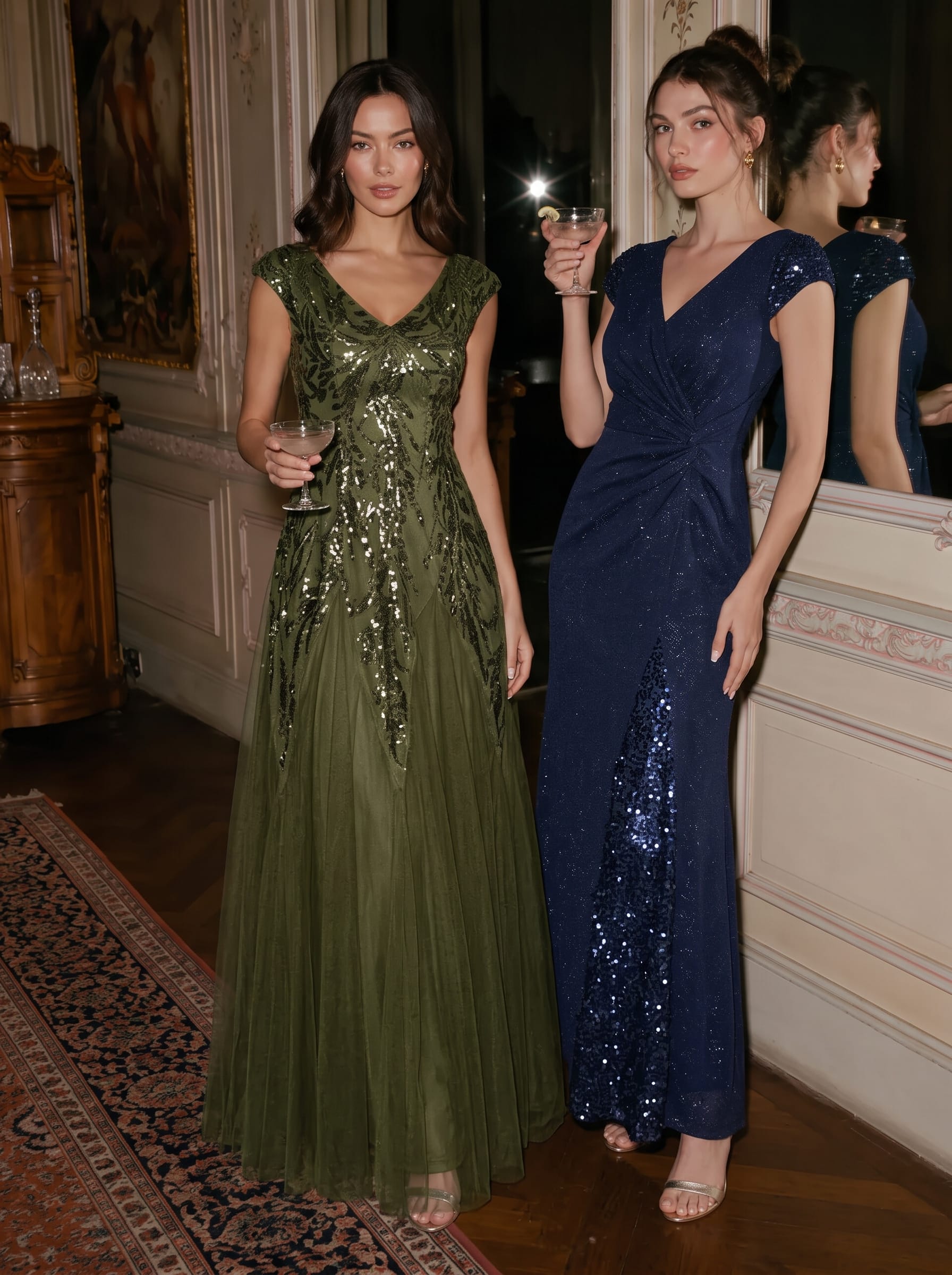
Very thin satin, stiff tulle, or overly glossy polyester can reflect light harshly and show every shortcut in construction. They can work, but they’re less forgiving — especially in flash photos and evening lighting.
If you’re unsure, these quick tells help:
- High-shine + visible creases in product photos often means the fabric will look cheaper in real life.
- Fabric pulling around seams on the model is usually a sign the fabric has little give (or the cut is unforgiving).
- If the fabric looks plasticky under studio lights, it will usually look even shinier at a wedding.
When they’re usually OK:
- the dress is lined,
- the fabric is not flimsy, and
- the cut is simple (fewer panels, fewer tricky joins)
Comfort + movement checks (breathability, static, cling, crease)
Comfort affects how a dress looks.
Fabrics that trap heat, cling to tights, or crease badly tend to look messy by the end of the day. If a dress feels slightly uncomfortable standing still, it usually feels much worse after hours of wear.
Quick movement test (30 seconds): sit, raise both arms, take a few steps. If it twists, rides up, or clings immediately, that’s useful information.

Step 3 — Verify Build Quality (Your “Quality Checklist”)
Lining and opacity (flash/photo test)
Hold the fabric up to light or use your phone flash.
If you can clearly see through it, expect visible undergarments in photos. Lining makes a big difference, especially with lighter colours.
Seams and stitching (stress points, seam allowance, finish)
Check under the arms, along the waist, and at the zip.
Seams should look even and secure, without loose threads. A little seam allowance helps with minor alterations later — very tight seams limit flexibility.
What “good” looks like (quick spot)
- even stitching, no long loose threads
- seams lie flat (not puckering)
- fabric doesn’t strain when you gently pull at stress points
Zips and closures (smoothness, snag risk, backup fastenings)
A good zip runs smoothly without catching fabric.
Hidden zips are common, but they should feel solid. Hook-and-eye fastenings at the top are a good sign — they reduce strain on the zip.
Bodice support (boning, cups, structure—when you need it)
Strapless or fitted styles need some internal support.
Light boning or built-in cups help the dress sit correctly. Without them, the dress may slide or crease awkwardly, especially during long wear.
Hem and drape (how to spot poor cut and twist)
Lay the dress flat or watch how it hangs.
If the hemline looks uneven or the skirt twists when walking, that often points to a poor cut rather than a sizing issue. These problems are hard to fix later.
Step 4 — Choose a Style That Minimises Fit Risk (Especially Online)
Low-risk silhouettes for first-time buyers
A-line and soft empire-waist dresses are generally safer.
They allow more flexibility in fit and suit a wider range of body shapes. Very fitted or bias-cut styles look great but are less forgiving if sizing isn’t perfect.
Necklines and straps: security vs comfort trade-offs
Straps and sleeves add security, especially for all-day wear.
Halter necks and strapless styles can work, but they rely more on precise fit and support. If comfort is a priority, simpler necklines often win.
Length decisions (floor, midi, maxi) based on venue + shoes
Floor-length dresses hide shoe differences but usually need hemming.
Midi and maxi lengths reduce alteration costs but require more coordination with footwear. Consider where the dress will be worn most.

Step 5 — Fit Strategy for a Group (Avoid Returns and Regret)
Same dress vs same colour, different styles (decision rules)
Same dress, same colour works best when body types are similar.
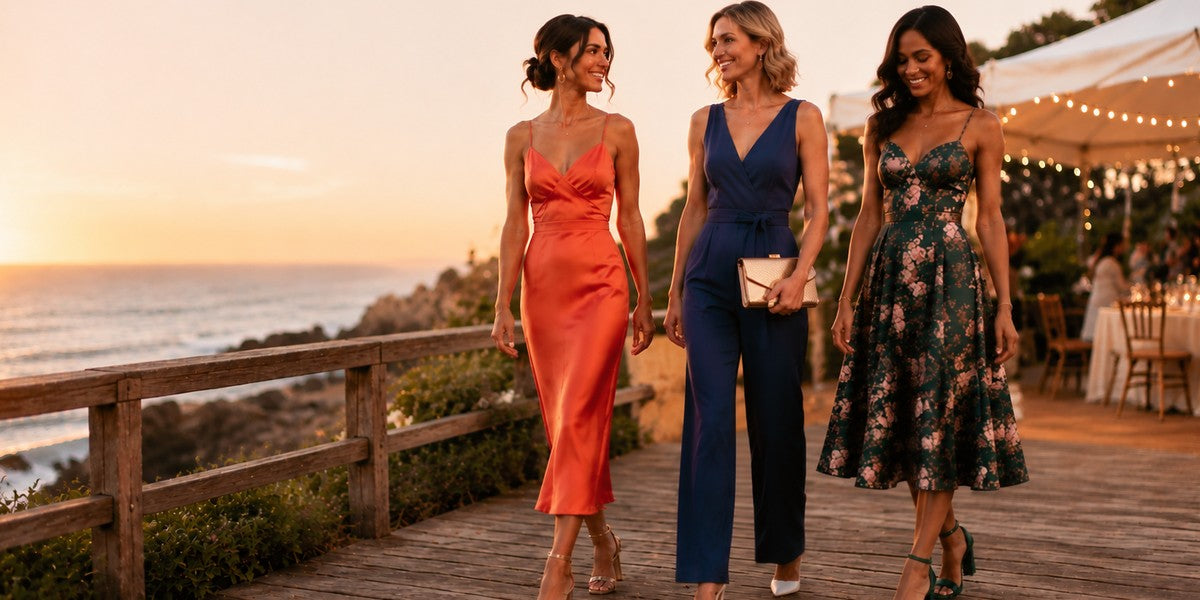
For mixed groups, the same colour in different styles usually leads to happier bridesmaids and fewer alterations — as long as fabrics and tones match closely.
Decision rule (simple)
- similar body types + simple dress = same dress can work
- varied body types or comfort needs = same colour, different styles
Sizing approach: measure-first vs “usual size” (what to do in the UK)
Measurements are more reliable than usual dress size.
UK sizing varies widely between brands. Waist and bust measurements matter most; length is often adjusted anyway.
Best approach for online orders: measure bust/waist/hips, then choose the size that fits the largest measurement and tailor down if needed.
Inclusivity check: range of sizes, support options, and comfort needs
Check that the chosen option works for everyone.
That includes size range, bust support, and comfort for long wear. If one person struggles, it often creates group-wide stress.

Step 6 — Total Cost Reality Check (The Hidden Budget Killers)
Alterations: what typically needs tailoring and what it costs
Common alterations include hemming, strap adjustment, and waist taking-in.
In the UK, these can add £20–£60+, depending on complexity (and it can be higher in some cities or for tricky fabrics like heavily lined or sequinned styles). A slightly more expensive dress that fits well can be cheaper overall.
Accessories and shoes: keep the dress budget intact
Shoes, jewellery, and hair styling add up quickly.
Keeping the dress simple leaves more flexibility elsewhere and avoids pushing costs onto bridesmaids unexpectedly.
Shipping, duties, and returns: avoid “cheap” becoming expensive
International shipping and poor return policies can erase savings fast.
Check delivery times, return windows, and whether return shipping is free or paid.
Step 7 — Purchase Safety Checklist (So You Can Actually Rely on It)
Delivery timeline and buffer planning (the “no panic” rule)
Aim to receive dresses at least 6–8 weeks before the wedding.
This leaves room for exchanges or alterations without stress.
Returns and exchanges: what to confirm before checkout
Check if returns are allowed on sale items and how long you have.
Clear policies reduce risk, especially when ordering multiple sizes.
Reviews and photos: how to validate quality without being misled
Look for customer photos, not just studio shots.
Pay attention to comments about fabric weight, fit, and comfort rather than overall star ratings.
What to scan for in reviews
- “see-through” / “lined”
- “zip stuck” / “zip broke”
- “true to size” with measurements
- “comfortable all day” / “scratchy” / “hot”
Common Scenarios and the Best Choice (If X, Then Y)
If the budget is very tight (what to prioritise first)
Prioritise lining/opacity, fabric weight, and fit.
Skip complex details and focus on simple, well-cut styles.
If the wedding is summer/outdoor (fabric + fit priorities)
Choose breathable fabrics and secure necklines.
Avoid heavy linings or styles that rely on perfect weather.
If body types vary widely (style strategy that reduces risk)
Same colour, different styles usually works best.
Keep fabric consistent to maintain a cohesive look.
If rewear matters (colour + silhouette rules)
Choose neutral colours and classic cuts.
Avoid extreme trends or overly formal details.
Final Summary — The Decision Framework in One Page
The 5 non-negotiables for “good quality” at an affordable price
A good-quality affordable bridesmaid dress should be opaque (or lined), comfortably fitted, securely stitched, have a smooth reliable zip, and hang straight without twisting.
Opaque fabric, decent lining, secure seams, smooth zip, and comfortable fit.
The 3 biggest mistakes price-sensitive buyers make
Choosing shine over structure, ignoring alteration costs, and relying on usual dress size alone.
Final yes/no checklist before you buy
If it fits your budget, passes the quality checks, suits the setting, and feels wearable again, it’s usually a good buy.